After repeatedly cutting transit service due to the pandemic and a labor shortage, L.A.'s transit agency plans to double down on freeway expansion projects.


Joe Linton digs into Los Angeles Metro's Fiscal Year 2022-2023 budget for Streetsblog LA. "While the full budget figures are still in flux, the current proposal shows a 30 percent increase in freeway expansion and a 9 percent decrease in transit expansion," Linton writes. "The overwhelming majority – more than 90 percent – of the FY22-23 proposed $617 million Highway Expansion budget would go to widening freeways, freeway ramps, and streets." The article details the proposed budget, comparing it with the past two fiscal years.
When questioned about the increase in freeway widening funds, "Metro’s staff report notes that the highway funding increase is 'primarily due to construction activities for I-5 North Capacity Enhancements, SR-57/SR-60 confluence, and progression of I-105 ExpressLane to Project Specification and Engineering phase.'" But Linton points out that "the proposed highway budget calls for several other freeway projects to be accelerated" while "many Metro rail and bus projects are delayed."
As Linton notes, "though there are fairly clear lines between capital and operations funding (and it’s difficult to shift some freeway money to rail), this is all happening at a time Metro has repeatedly cut bus operations – first due to COVID, then – last month – due to a largely-self-inflicted operator shortage."
Linton questions Metro's decision to cut transit capital funding in light of the positive fiscal outlook of the agency and its stated commitment to equity and climate action. "Given the need to address the climate emergency, and longstanding freeway expansion equity issues still very much present today, Metro leaders – from its CEO to its board – need to rein in the excesses of freeway expansion programs and double down on greener modes."
FULL STORY: Proposed Metro FY22-23 Budget: Increase Freeway Widening, Decrease Transit Construction

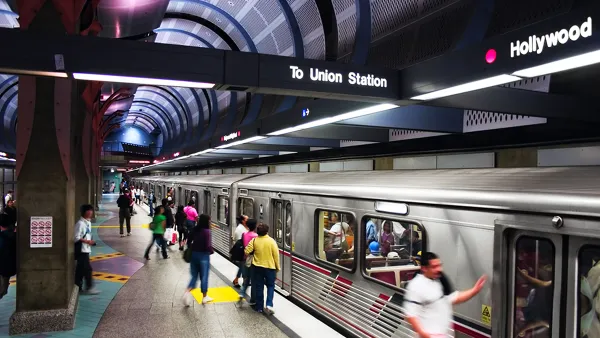
L.A. Metro Receives $1.24 Billion in Federal Funds
L.A.'s transit agency was awarded over a billion dollars in American Rescue Plan funding for maintenance and operations.
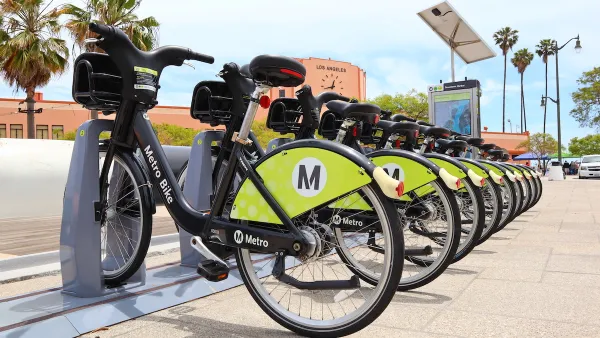
LA Metro Celebrates Bike Month With Free Rides, Discounted Bike Share
Skeptical about riding a bike in Los Angeles? Its transit agency wants to change your mind this May.
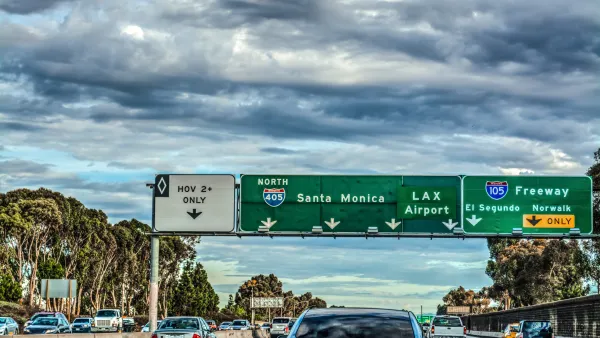
L.A. Metro Pushes for More Freeway Expansion Funds
After the last expansion project, traffic on I-405 only got worse. Metro wants to try again.

Planetizen Federal Action Tracker
A weekly monitor of how Trump’s orders and actions are impacting planners and planning in America.

The state-sanctioned urbicide of Austin
People don’t kill cities. Freeways do.

US to reduce Colorado River water deliveries to Mexico
A new Colorado Treaty amendment reduces Mexico’s Colorado River water allocation by 250,000 acre feet.

5 New England states march closer to 800 megawatt wind energy project
Securing federal approval for the project may be complicated under the Trump administration, which has historically been hostile towards domestic wind power.

Baltimore to break ground on $50 million Transit Priority Project
The project will bring faster bus trips, safer streets and better bike connections to Baltimore.

Airbnb launches $250 million 'last-dollar financing' housing accelerator, makes first investment in Austin
The company will put $6.4 million towards affordable housing development in Texas’ capital.

FREE Course: Walkable City 1: Why Walkability?
After describing his path towards focusing on walkability as the essence of good planning, Jeff Speck marches through his five principal reasons for making more walkable places.
Reinventing Malls: Planning Alchemy—Turning Gray Fields Into Gold
The course focuses on the opportunities and imperatives that shape reinvention of mall sites.


Eagle County Government
Harvard University Graduate School of Design
Nashville Planning Department
The Architects Foundation
University of Cincinnati Online
The Pocatello Development Authority
The Urban Renewal Agency of the City of Pocatello
Journal of the American Planning Association