Money intended for electric buses in Indianapolis will instead be spent on diesel buses.


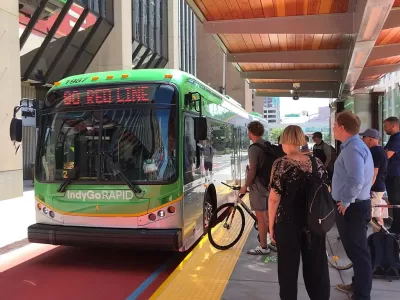
IndyGo's lofty goal to operate an entirely electric fleet by 2035 is at risk as issues with the system's existing fleet of electric buses are still having issues, according to an article by Kellie Hwang.
As proof of the issue, IndyGo recently approved the purchase of 13 diesel buses for deployment on the future Purple Line and cancelled an order for five electric buses manufacture by BYD.
The problem with electric buses boils down to range—the BYD buses aren't yet meeting contractually obligated standards in terms of range.
"BYD has yet to provide the permanent solution to ensure that the buses meet their contractual range," IndyGo said in an emailed statement. "To maintain our proposed service improvements for June, the Gillig buses were the best option. These buses will help with local route service but won’t be used for the Purple Line because they don’t have left side doors."
IndyGo is already running 31 electric buses on the Red Line, thought he buses are falling short of their promised 275 miles. "To offset the battery issues, BYD agreed to pay for boost chargers at either end of the Red Line," reports Hwang. "Temporary chargers have been implemented, as the permanent ones were delayed twice and are now scheduled to be installed in September."
FULL STORY: IndyGo is canceling an electric bus order and buying diesels

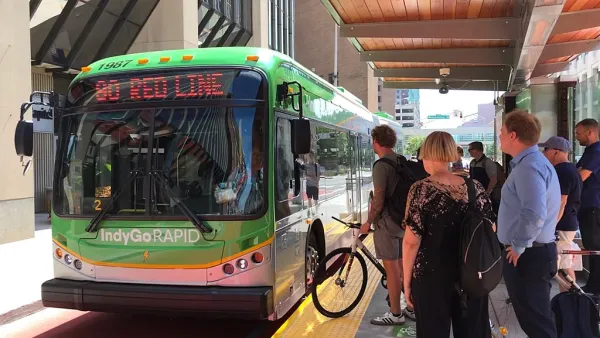
IndyGo Revisits the Bus System Redesign it Paused for the Pandemic
The IndyGo board of directors scrapped a bus system redesign planned for launch in June 2020 as part of its Covid-19 emergency response. The transit agency is now seeking public feedback on a new map with similar changes.
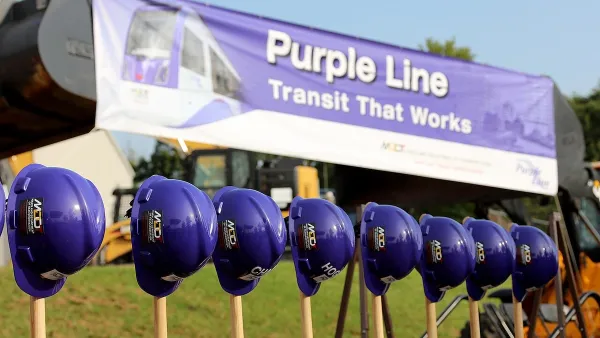
One Year in, Indy BRT Line is the City’s Most Popular Bus Route
The Purple Line serves over 100,000 riders per month.
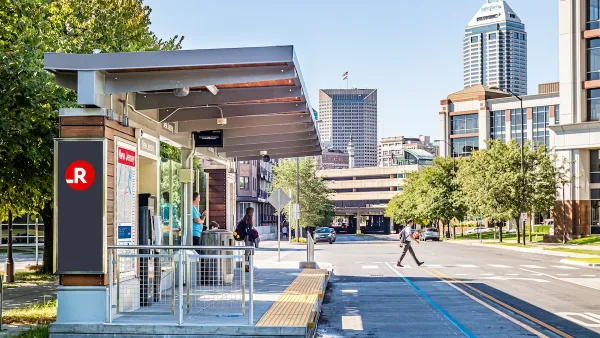
Indianapolis Receives FTA Grant for New BRT Line
The Blue Line will be the third bus rapid transit corridor in the city.

Planetizen Federal Action Tracker
A weekly monitor of how Trump’s orders and actions are impacting planners and planning in America.

The state-sanctioned urbicide of Austin
People don’t kill cities. Freeways do.

US to reduce Colorado River water deliveries to Mexico
A new Colorado Treaty amendment reduces Mexico’s Colorado River water allocation by 250,000 acre feet.

5 New England states march closer to 800 megawatt wind energy project
Securing federal approval for the project may be complicated under the Trump administration, which has historically been hostile towards domestic wind power.

Baltimore to break ground on $50 million Transit Priority Project
The project will bring faster bus trips, safer streets and better bike connections to Baltimore.

Airbnb launches $250 million 'last-dollar financing' housing accelerator, makes first investment in Austin
The company will put $6.4 million towards affordable housing development in Texas’ capital.

FREE Course: Walkable City 1: Why Walkability?
After describing his path towards focusing on walkability as the essence of good planning, Jeff Speck marches through his five principal reasons for making more walkable places.
Reinventing Malls: Planning Alchemy—Turning Gray Fields Into Gold
The course focuses on the opportunities and imperatives that shape reinvention of mall sites.


Eagle County Government
Harvard University Graduate School of Design
Nashville Planning Department
The Architects Foundation
University of Cincinnati Online
The Pocatello Development Authority
The Urban Renewal Agency of the City of Pocatello
Journal of the American Planning Association