A bike lane on Roland Avenue in Baltimore had been separated from vehicle traffic by vehicle parking, but no longer.


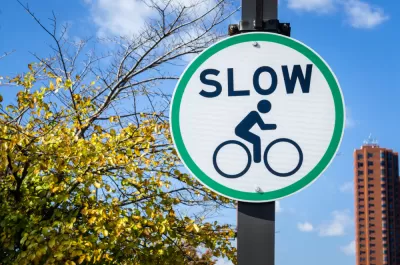
"A crew began removing the protected bicycle lane on Roland Avenue in Baltimore on Wednesday, despite protests from bike advocates," reports Colin Campbell.
"The bike lane, installed as part of a road resurfacing project in 2015, has been the subject of controversy for years," according to Campbell. Planetizen picked up the news about bikelash against the Roland Avenue bike lane in 2018.
As Campbell explains, the bike lane had been configured to position parked cars between the bike lane and moving vehicles. In March, Mayor Catherine Pugh, currently on a leave of absence, ordered the city to move the bike lane to the outside of the parking lane and paint the bike lane green.
The advocacy group Bikemore has been protesting the reconfiguration, and pushing the city to test a road diet on Roland Avenue. As reported in an article by Alison Knezevish from March, Mayor Pugh nixed that idea in addition to ordering the reconfigured bike lane.
Read the full story: Baltimore crews begin removing Roland Park bike lane, despite protests

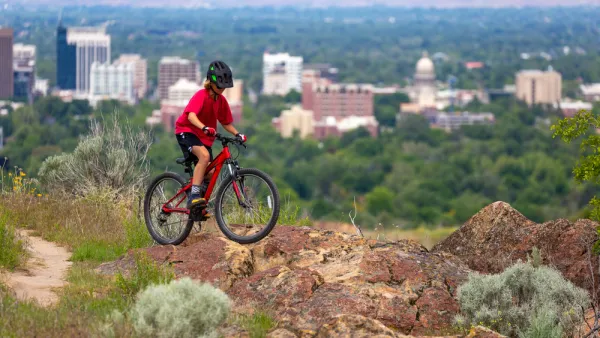
Bikelash in Boise
Parents don’t want bike lanes to interfere with the pick up and drop off zone near two churches and schools in Boise.
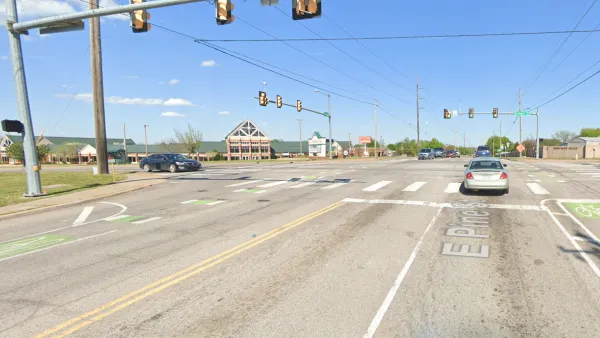
Business Owners Force Removal of New Tulsa Bike Lanes
Local politics is still an obstacle for street reconfigurations that make space for people on bikes.
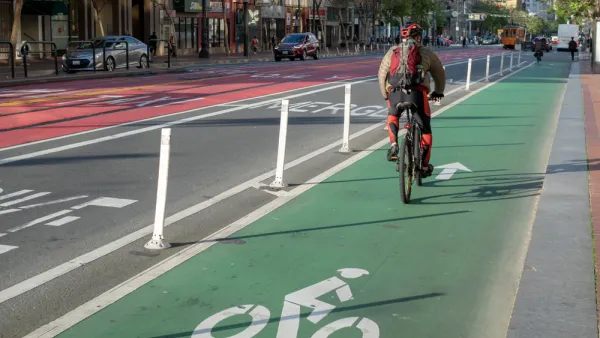
San Francisco's New Bike Lane Experience
The city of San Francisco has been overhauling its bike infrastructure during the pandemic. The results are especially apparent in the city's downtown.

Planetizen Federal Action Tracker
A weekly monitor of how Trump’s orders and actions are impacting planners and planning in America.

California plans to bury El Niño’s downpour
If the state plays its cards right, it may be able to store a billion acre-feet of El Niño’s water in aquifers.

Desperate measures: Advocates weigh draining Lake Powell to fill Colorado River
Draining the reservoir could reduce evaporation losses by a couple hundred thousand acre-feet.

California city breaks ground on transit connector
The project includes three mobility hubs and a pedestrian bridge.

After public outcry, Massachusetts city releases housing development tracker
Cambridge’s tracker currently shows 250 housing projects in various stages of development.

40 years after approval, Chicago breaks ground on new park
The park honors Jean Baptiste Point du Sable, the city’s first permanent non-native settler.

FREE Course: Walkable City 1: Why Walkability?
After describing his path towards focusing on walkability as the essence of good planning, Jeff Speck marches through his five principal reasons for making more walkable places.
Reinventing Malls: Planning Alchemy—Turning Gray Fields Into Gold
The course focuses on the opportunities and imperatives that shape reinvention of mall sites.

City of Rosemead
Rutgers University, Edward J. Bloustein School of Planning and Public Policy
One Hundred Miles
Hunter College, City University of New York (CUNY)
The Architects Foundation
University of Cincinnati Online
City of Cambridge
Montrose County
The Pocatello Development Authority