An extended Crenshaw Line would cut north-south through the middle of the Los Angeles basin, connecting three rail transit lines and some of the busiest buses in the county. Some don't want to wait 30 years for the plan to come to fruition.


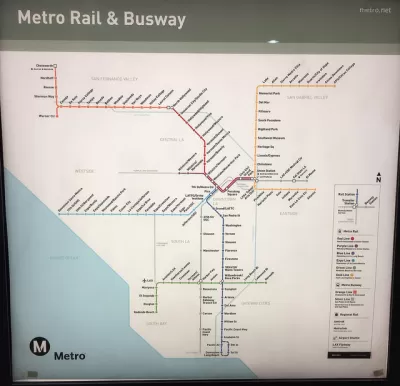
Laura J. Nelson reports on a plan to extend a still-under-construction light rail line that would create a north-south spine connecting three existing light rail and subway lines with new transfer stations.
The Crenshaw Line extension, as the still-speculative project is called, would travel through Hollywood, Beverly Grove, and West Hollywood, connecting to transfer stations on the Expo Line, the Red Line, and the Purple Line (the last of that list is already under construction on a westward expansion). Nelson explains the appeal of the project:
The area studied for the route — a crescent shape that includes West Hollywood, Mid-City, Miracle Mile and Arlington Heights — has a higher population density per square mile than San Francisco, Boston and Chicago.
Six of Metro’s 10 most popular bus lines cross through the area, the agency said. The agency said ridership on the extension could top 90,000 trips per day, which would make it the busiest light-rail line in the United States.
Initial plans for the Crenshaw Line extension targets a delivery date three decades in the future, in 2047, but already has $2 billion in funding allocated from Measure M. Given the high ridership projections for the line, some advocates are pushing for the line to move forward in Metro's priority list, perhaps in time for the 2028 Summer Olympics.
Nelson provides a lot more detail about the many alternatives regarding route and construction method that must still be determined as Metro plans the extension.
FULL STORY: Will it take until 2047 to extend the Metro to West Hollywood?

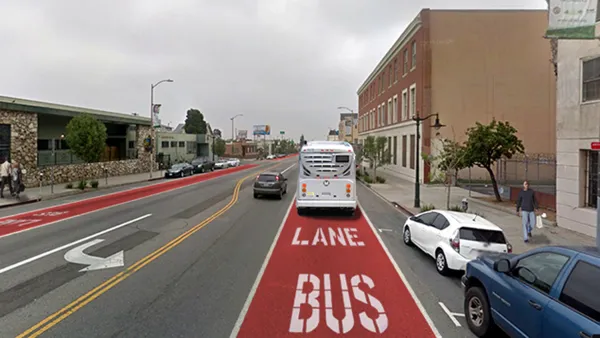
L.A.'s Plan for Vermont Ave: BRT in 2024, Rail in 2067
Anyone hoping for rail transit down one of Los Angeles' busiest transit corridors will have to wait awhile.

Crenshaw Line Light Rail Delayed in Los Angeles
Construction of the Crenshaw Line in Los Angeles will go later than expected. Metro now expects the light rail line to open in 2020.
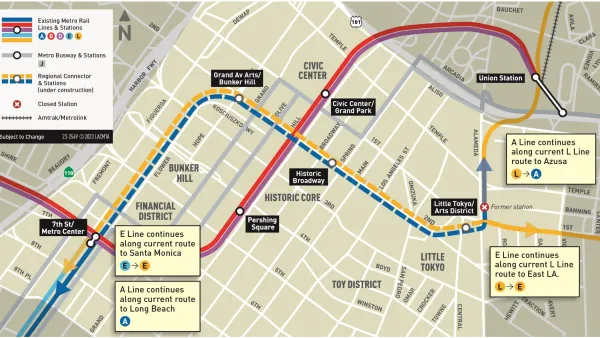
Newly Opened Regional Connector Redefines Light Rail Transit in Los Angeles
Three rail lines have become two rail lines in Los Angeles, providing one-seat rides from four corners of Los Angeles County.

The state-sanctioned urbicide of Austin
People don’t kill cities. Freeways do.

US to reduce Colorado River water deliveries to Mexico
A new Colorado Treaty amendment reduces Mexico’s Colorado River water allocation by 250,000 acre feet.

New Jersey’s second-largest city bans standalone data centers
Jersey City will continue to allow co-location facilities, such as those meant for research institutions that store their own data.

Amtrak not solely to blame for New Jersey commuter rail's unreliability, report finds
A new study from the Garden State Initiative found that NJ Transit’s budget grew 20% across a 4 year period, but reliability declined significantly over the same period.

EPA erases limits on planet-warming pollution from power plants
Under Monday’s plan, power plants would still have some limits on how much mercury, arsenic and other contaminants they can emit.

Phoenix announces new on-demand transit service, more frequent RAPID buses
Both new services will launch in October, and are part of Phoenix's Project Effective Access Solutions for Easing Congestion.

FREE Course: Walkable City 1: Why Walkability?
After describing his path towards focusing on walkability as the essence of good planning, Jeff Speck marches through his five principal reasons for making more walkable places.
Reinventing Malls: Planning Alchemy—Turning Gray Fields Into Gold
The course focuses on the opportunities and imperatives that shape reinvention of mall sites.

Eagle County Government
Harvard University Graduate School of Design
Nashville Planning Department
The Architects Foundation
University of Cincinnati Online
The Pocatello Development Authority
The Urban Renewal Agency of the City of Pocatello
Journal of the American Planning Association