Black homeownership rates have been slow to recover from the great recession and the gap between whites and blacks in home ownership is bigger today than it was in the 1980s.


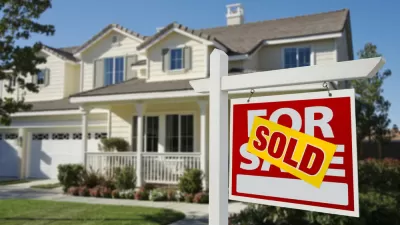
"Forty-three percent of blacks owned homes in 2017, according to an annual report from the Joint Center for Housing Studies of Harvard University," Jonnelle Marte writes for the Washington Post. That's a lot lower than the 72 percent home ownership rate for whites.
"The gap persists even as African Americans have experienced other major financial gains since the downturn," Marte writes. Black unemployment is down to 5.9% nationwide, but, while many have been able to find work after the 2008 downturn, the effects of that period still linger for a population that was more likely to have been foreclosed on or to have lost their employment.
In 1968 after the passage of the Fair Housing Act, the percentage of African American families who owned a house rose, closing some of the gap between black and white home ownership, but those gains have been wiped out. The current gap is bigger today than it was 30 years ago.
FULL STORY: ‘We haven’t made any progress’: Black homeownership is stuck near 30-year lows

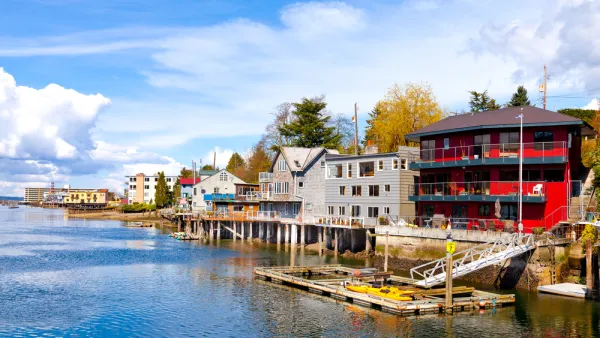
Black Home Ownership Rates in Seattle's King County Continue to Shrink
King County, Washington was once home to a large number of black homeowners, today the county lags far behind the rest of the country.
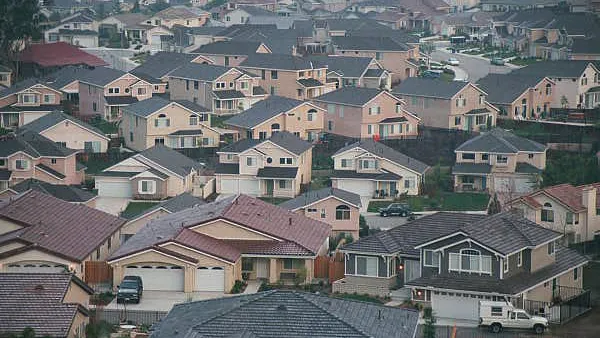
When Large Corporations Buy Homes and Become Landlords
Since the Great Recession, homeownership is down and corporations are taking advantage of the profit opportunities.

Hey, Young People! Stay in Your Parents’ House Forever!
A new voice in the unending chorus of complaints about Millennials, the Wall Street Journal reports that Millennials should be blamed for wanting to live in places that are popular to live in, and implies they should spend more time driving.

Planetizen Federal Action Tracker
A weekly monitor of how Trump’s orders and actions are impacting planners and planning in America.

The state-sanctioned urbicide of Austin
People don’t kill cities. Freeways do.

US to reduce Colorado River water deliveries to Mexico
A new Colorado Treaty amendment reduces Mexico’s Colorado River water allocation by 250,000 acre feet.

5 New England states march closer to 800 megawatt wind energy project
Securing federal approval for the project may be complicated under the Trump administration, which has historically been hostile towards domestic wind power.

Baltimore to break ground on $50 million Transit Priority Project
The project will bring faster bus trips, safer streets and better bike connections to Baltimore.

Airbnb launches $250 million 'last-dollar financing' housing accelerator, makes first investment in Austin
The company will put $6.4 million towards affordable housing development in Texas’ capital.

FREE Course: Walkable City 1: Why Walkability?
After describing his path towards focusing on walkability as the essence of good planning, Jeff Speck marches through his five principal reasons for making more walkable places.
Reinventing Malls: Planning Alchemy—Turning Gray Fields Into Gold
The course focuses on the opportunities and imperatives that shape reinvention of mall sites.

Eagle County Government
Harvard University Graduate School of Design
Nashville Planning Department
The Architects Foundation
University of Cincinnati Online
The Pocatello Development Authority
The Urban Renewal Agency of the City of Pocatello
Journal of the American Planning Association