Since the Great Recession, homeownership is down and corporations are taking advantage of the profit opportunities.


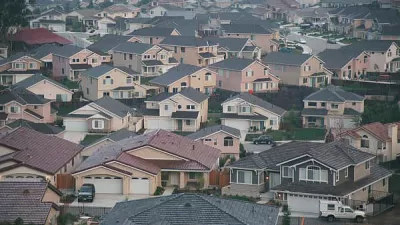
"Just as high-priced condos in expensive cities have become a new kind of asset for large companies and wealthy foreigners, so too have larger and larger numbers of single-family homes been turned into investment vehicles for large corporations," writes Richard Floria.
A new working paper from the National Bureau of Economic Research shows that one of the outcomes of the Great Recession was a decline in home ownership of 4 percent between 2007 and 2014, when private companies came in and acquired these properties. "This represents more than $220 billion in housing value—a huge transfer of wealth from Americans who once owned, or would have owned, these homes, to large corporations," says Florida.
These companies, notes Florida, are profiting both from rental incomes in cities with lower home prices and from the appreciation of properties in more expensive cities. "For a growing number of families, the American Dream of owning their own home and the wealth and financial security that comes from it have given way to renting a place to live from a mega-corporation."
FULL STORY: How Housing Wealth Transferred From Families to Corporations

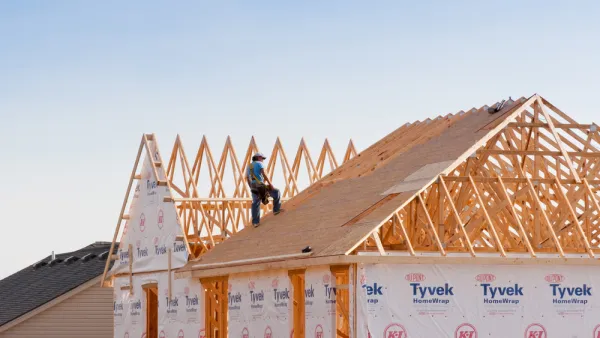
Builders Look to Growing Home Rental Market
Subdivisions in states across the country are catering to people who want the benefits of living in homes without the burdens of home ownership.
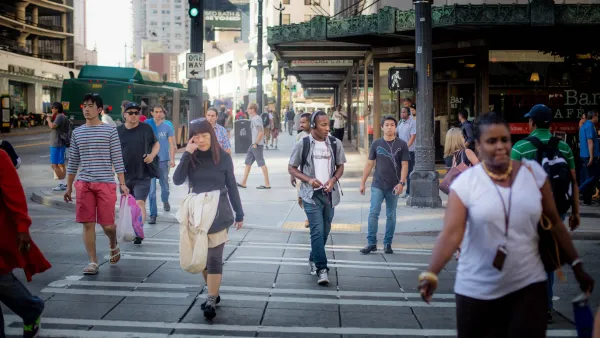
Post-Recession Migration Patterns of Younger and Older Americans
New census data shows that millennials and seniors are migrating less, a result of the Great Recession and its economic impacts. For those who are moving, cities in the Sun Belt have been primary destinations.
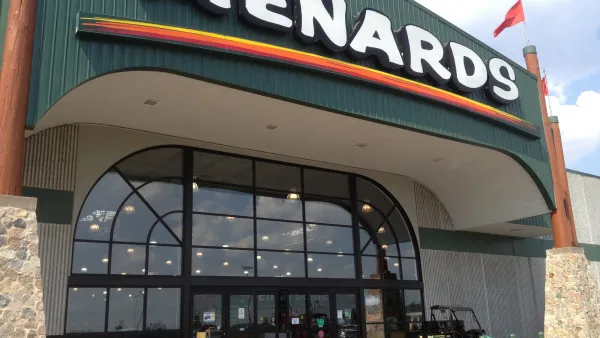
Big-Box Retailers Say Property Assessments Are Too High; Communities Suffer the Consequences
"Dark store theory" argues that nearby depreciated properties should figure into property valuations. The resulting property tax cuts mean local municipalities end up taking a huge hit.

Planetizen Federal Action Tracker
A weekly monitor of how Trump’s orders and actions are impacting planners and planning in America.

The state-sanctioned urbicide of Austin
People don’t kill cities. Freeways do.

US to reduce Colorado River water deliveries to Mexico
A new Colorado Treaty amendment reduces Mexico’s Colorado River water allocation by 250,000 acre feet.

5 New England states march closer to 800 megawatt wind energy project
Securing federal approval for the project may be complicated under the Trump administration, which has historically been hostile towards domestic wind power.

Baltimore to break ground on $50 million Transit Priority Project
The project will bring faster bus trips, safer streets and better bike connections to Baltimore.

Airbnb launches $250 million 'last-dollar financing' housing accelerator, makes first investment in Austin
The company will put $6.4 million towards affordable housing development in Texas’ capital.

FREE Course: Walkable City 1: Why Walkability?
After describing his path towards focusing on walkability as the essence of good planning, Jeff Speck marches through his five principal reasons for making more walkable places.
Reinventing Malls: Planning Alchemy—Turning Gray Fields Into Gold
The course focuses on the opportunities and imperatives that shape reinvention of mall sites.

Eagle County Government
Harvard University Graduate School of Design
Nashville Planning Department
The Architects Foundation
University of Cincinnati Online
The Pocatello Development Authority
The Urban Renewal Agency of the City of Pocatello
Journal of the American Planning Association