Subdivisions in states across the country are catering to people who want the benefits of living in homes without the burdens of home ownership.


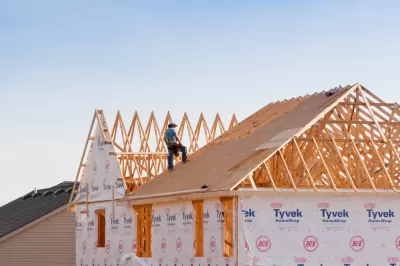
Chris Arnold reports on new subdivisons that are made up of homes that are not for sale, just for rent. "[Developer Josh Hartmann] says there are basically three types of renters of these houses: recent divorcees like [Lou Ann] Erwin, aging baby boomers who don't want the headaches of owning a house anymore and millennials."
Hartmann says he started building homes after the housing crash as an alternative for people who lost homes to foreclosure and wanted time to recover financially before looking at home ownership again. Instead, he found that more people with the resources to purchase homes were choosing to rent instead.
The renters say they prefer the home and neighborhood amenities these rentals offer, including yards, patios, and community pools. In areas with rising housing prices, such as Denver, the rentals also offer an option for people reluctant to commit to long-term mortgages, notes Arnold. "In the past year, developers around the country built more than 40,000 homes as single-family rentals, the National Association of Home Builders says."
FULL STORY: Renters Only: These New Homes Aren't For Sale

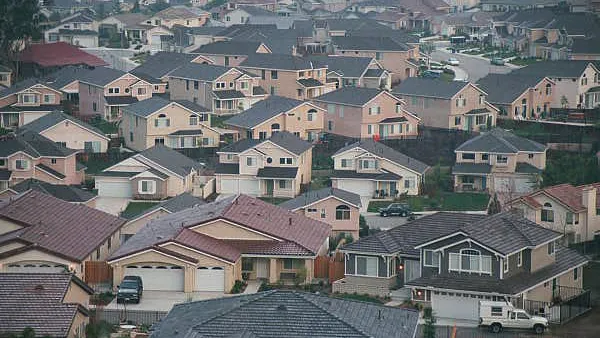
When Large Corporations Buy Homes and Become Landlords
Since the Great Recession, homeownership is down and corporations are taking advantage of the profit opportunities.
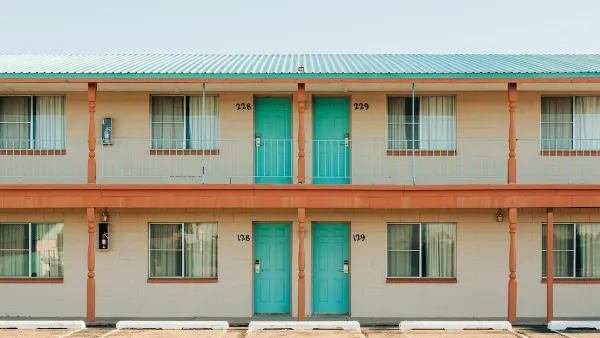
Low-Barrier Motel Shelter Is a Success—But Not an Easy One
Many guests at Motels4Now are on their second or third stays—but staff say that's doesn't equal failure, and the numbers bear that out.
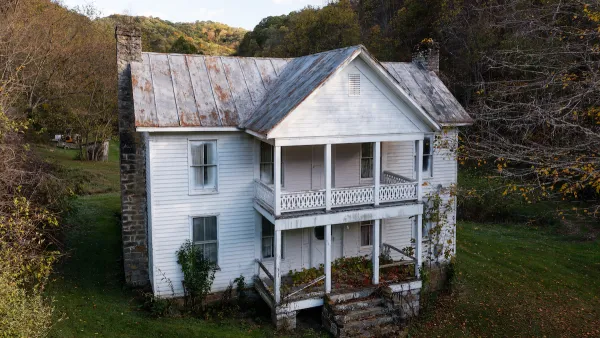
West Virginia Tackles Vacancy With Tax Reform
The Center for Community Progress made recommendations for tax reform in West Virginia to address vacancy. Guided by CCP's suggestions, the state auditor’s office has passed two laws to change its tax sales process and keep properties in use.

The state-sanctioned urbicide of Austin
People don’t kill cities. Freeways do.

US to reduce Colorado River water deliveries to Mexico
A new Colorado Treaty amendment reduces Mexico’s Colorado River water allocation by 250,000 acre feet.

New Jersey’s second-largest city bans standalone data centers
Jersey City will continue to allow co-location facilities, such as those meant for research institutions that store their own data.

Amtrak not solely to blame for New Jersey commuter rail's unreliability, report finds
A new study from the Garden State Initiative found that NJ Transit’s budget grew 20% across a 4 year period, but reliability declined significantly over the same period.

EPA erases limits on planet-warming pollution from power plants
Under Monday’s plan, power plants would still have some limits on how much mercury, arsenic and other contaminants they can emit.

Phoenix announces new on-demand transit service, more frequent RAPID buses
Both new services will launch in October, and are part of Phoenix's Project Effective Access Solutions for Easing Congestion.

FREE Course: Walkable City 1: Why Walkability?
After describing his path towards focusing on walkability as the essence of good planning, Jeff Speck marches through his five principal reasons for making more walkable places.
Reinventing Malls: Planning Alchemy—Turning Gray Fields Into Gold
The course focuses on the opportunities and imperatives that shape reinvention of mall sites.

Eagle County Government
Harvard University Graduate School of Design
Nashville Planning Department
The Architects Foundation
University of Cincinnati Online
The Pocatello Development Authority
The Urban Renewal Agency of the City of Pocatello
Journal of the American Planning Association