The city of New Orleans wants to watch you party.



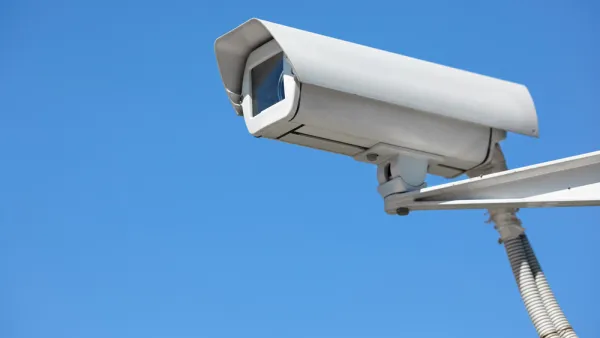
The city of New Orleans is already seeing a new wave of surveillance cameras installed around the city, and an ordinance under consideration by the City Council could step up the levels of surveillance even further.
"The city council is considering an unprecedented proposal to require any business with a liquor license to install video cameras that feed into a real-time surveillance 'command center' monitored 24/7 by law enforcement," reports Aviva Shen.
Shen describes the ordinance as the "most expansive surveillance of bars and restaurants in the country." The article looks around the country for other examples of expanding surveillance efforts, and also starts to reveal some of the operations of the city's real-time surveillance command center, which opened in 2017. Shen also speaks with members of the local community concerned about the new surveillance.
For local coverage of the issue, Jeff Adelson has kept a close eye on the issue of surveillance in recent moths. Emily Lane also reports of ACLU Louisiana's strong opposition to the ordinance, which the organization says would create a "city surveillance apparatus on steroids."
FULL STORY: New Orleans Eyes Bars and Restaurants as New Focus of Surveillance

New Orleans 'Smart City' Program Would Install Video Cameras in Public
The video cameras would be used to collect data on street light outages, but could also potentially used by police in the city's crime surveillance program.

Which U.S. Cities Have the Most Surveillance?
Atlanta has more surveillance residents per resident than any other U.S. city.

'Smart' Parking Meters Issue Tickets From Afar
More tickets, fewer meter maids.

The state-sanctioned urbicide of Austin
People don’t kill cities. Freeways do.

US to reduce Colorado River water deliveries to Mexico
A new Colorado Treaty amendment reduces Mexico’s Colorado River water allocation by 250,000 acre feet.

New Jersey’s second-largest city bans standalone data centers
Jersey City will continue to allow co-location facilities, such as those meant for research institutions that store their own data.

Amtrak not solely to blame for New Jersey commuter rail's unreliability, report finds
A new study from the Garden State Initiative found that NJ Transit’s budget grew 20% across a 4 year period, but reliability declined significantly over the same period.

EPA erases limits on planet-warming pollution from power plants
Under Monday’s plan, power plants would still have some limits on how much mercury, arsenic and other contaminants they can emit.

Phoenix announces new on-demand transit service, more frequent RAPID buses
Both new services will launch in October, and are part of Phoenix's Project Effective Access Solutions for Easing Congestion.

FREE Course: Walkable City 1: Why Walkability?
After describing his path towards focusing on walkability as the essence of good planning, Jeff Speck marches through his five principal reasons for making more walkable places.
Reinventing Malls: Planning Alchemy—Turning Gray Fields Into Gold
The course focuses on the opportunities and imperatives that shape reinvention of mall sites.

Eagle County Government
Harvard University Graduate School of Design
Nashville Planning Department
The Architects Foundation
University of Cincinnati Online
The Pocatello Development Authority
The Urban Renewal Agency of the City of Pocatello
Journal of the American Planning Association