Exclusives

FEATURE
Crises and Innovation Converge on San Francisco Planning Director John Rahaim's Watch
The latest installment of the Planners Across America series interviews John Rahaim, planning director for the City and County of San Francisco, about the heightened passions and perpetual controversies of planning in the City by the Bay.
BLOG POST
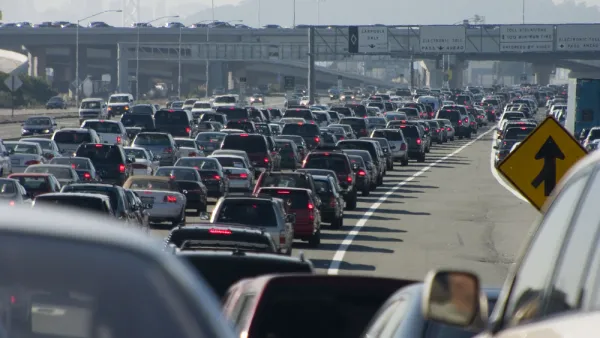
Travel Demands Are A-Changin', and That's Good News
According to "The End of Traffic & the Future of Transport," demographic, economic and technological trends are changing travel demands. In the future, people will prefer to drive less and rely more on alternatives. Not everybody has got the message.

BLOG POST
Different Spokes for Different Folks
Bike sharing and rental systems are becoming more inclusive, considering the needs of those with disabilities and children. And systems are expanding based different uses people have for different types of bicycles.
FEATURE
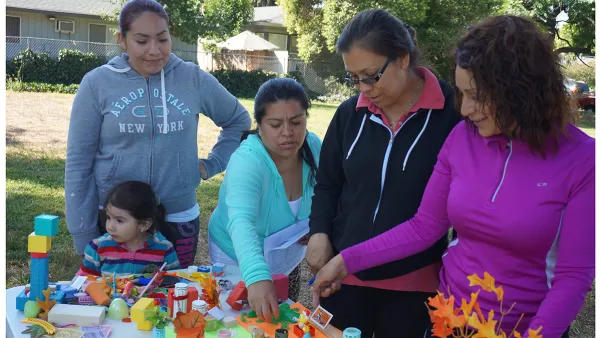
A Planning Primer: Validating the Lived Experiences of Immigrants
A few key considerations, implemented during a public engagement process, can ensure active and engaged participation from commonly marginalized groups and individuals.

BLOG POST
Oregon Is Not Just Portland: Planning a Sustainable Economy in Peripheral Areas of the American West
Dr. Robert Young of UT-Austin guest blogs about his work on the challenges of promoting sustainable development in peripheral areas of Oregon.

FEATURE
A Tale of Two Neighborhoods: TOD, Fair Housing, and Economic Mobility
"Affirmatively Furthering Fair Housing"—as a new rule by the U.S. Department of Housing and Urban Development proposes to do—can vary widely, even in the same city.

BLOG POST
What HUD's Been Up To
The new "Affirmatively Furthering Fair Housing" rule may impose additional paperwork burdens on local government, but is unlikely to cause major policy changes.
BLOG POST
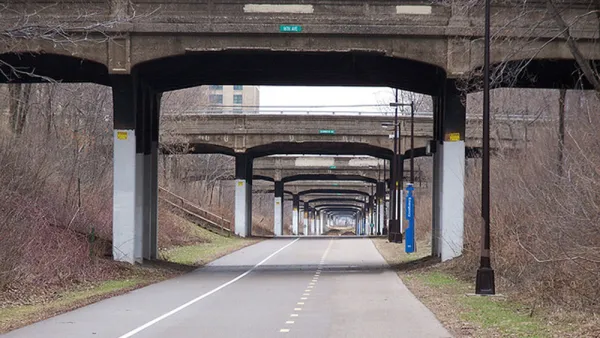
Using Technology to Create Better Traffic Counts
Tired of standing on a street corner to count traffic? Technology is automating traffic counts and providing more detailed and accurate data to support planning.

BLOG POST
10 Keys to Making A Great City Plan
Too many city plans represent business-as-usual, sit on a shelf collecting dust, or miss the chance to reflect a truly game-changing moment in the direction of a city. Want your new city plan process to result in a great plan? Consider these 10 keys.

BLOG POST
An Equitable Recovery? New Orleans Ten Years After Katrina
University of New Orleans Professor Dr. Anna Livia Brand writes about the shortcomings in the recovery planning process in post-Katrina New Orleans caused by unaddressed racial inequality.

BLOG POST
Oakland Is Cool
Building on its physical assets, city planners are succeeding in efforts to bring vitality to the Uptown district in Oakland, CA by supporting new housing development and enlivening what was once a preeminent arts and entertainment district.
FEATURE
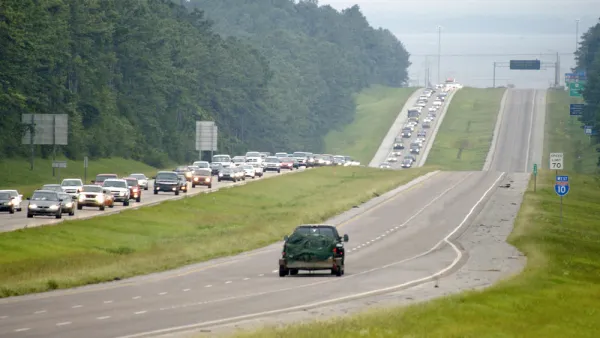
What We Didn't Learn From Katrina
Cities are immensely complex self-organizing systems, not mere top-down designs—but they do need top-down interventions in strategic places. Unfortunately, we still have inadequate models and tools.

FEATURE
What Is a 'Great' Neighborhood? An Analysis of APA's Top-Rated Places
A study recently published in the Journal of the American Planning Association finds that the APA's definition of "great neighborhoods" might be leaving low-income and minority populations behind.

BLOG POST
2015 Urban Mobility Scorecard: Still Measuring Urban Travel Conditions Incorrectly
The new Urban Mobility Scorecard measures traffic congestion with greater precision, but incorrectly. As with previous editions, it exaggerates congestion costs and undervalues the congestion reduction benefits of alternative modes and Smart Growth.

BLOG POST
Cities, the Middle Class, and Children
Joel Kotkin argues that Jane Jacobs's insights are of limited value because cities are no longer useful for middle-class families.

BLOG POST
Smart Planning for Economic Opportunity
The Center for Opportunity Urbanism has a wonderful goal—to improve economic opportunities for working class households—but uses terrible research to reach confusing recommendations about which policies are best. Please do better!
BLOG POST
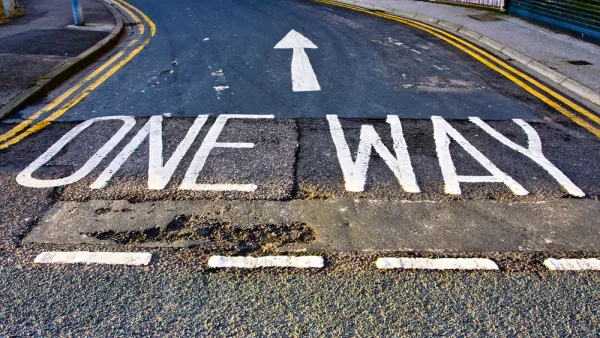
America's Streets: Two Ways to Urban Regeneration
Dr. William (Billy) Riggs guest blogs about his new research in Journal of Planning Education & Research. Dr. Riggs is Assistant Professor at Cal Poly San Luis Obispo focusing on quantitative community analysis and urban planning policies.

BLOG POST
A State of Thirst
In the middle of a population boom, Texas is looking across state lines for more water. The U.S. Supreme Court said no the first time; does that mean it will say no again?
BLOG POST
Transportation Apps Designed to Ease the Commute
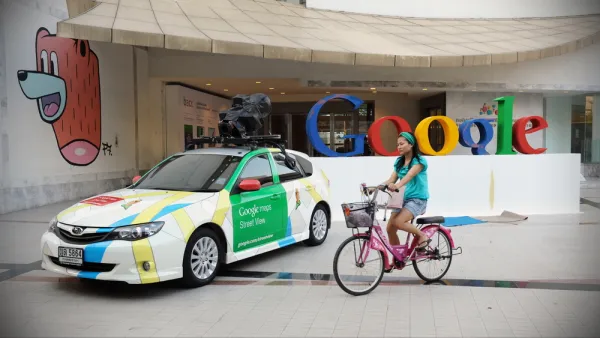
We all travel, so it's great when a handy new mobile app makes it easier to move around. Whether it is navigating the city, parking, or making our ride safer, there is likely a transportation app for that.

BLOG POST
Better City-Making Means Breaking Down Silos—Here's How
How can city hall leaders break down silos between departments and disciplines, and get to a more holistic approach to city-making? It takes more than just organizational restructuring—it takes real culture change. Here's how.
Harvard University Graduate School of Design
KFH Group Inc.
Greater Baltimore Committee
The Architects Foundation
University of Cincinnati Online
The Pocatello Development Authority
The Urban Renewal Agency of the City of Pocatello

FREE Course: Walkable City 1: Why Walkability?
After describing his path towards focusing on walkability as the essence of good planning, Jeff Speck marches through his five principal reasons for making more walkable places.
Reinventing Malls: Planning Alchemy—Turning Gray Fields Into Gold
The course focuses on the opportunities and imperatives that shape reinvention of mall sites.