Exclusives

FEATURE
How an Urban Grid Becomes a Maze
Many rational, open grids can seem like a labyrinth to users. The labyrinth has emerged as an unplanned consequence of the evolution of cities, but solutions like GPS navigation and autonomous vehicles could mean relief.

BLOG POST
Wrestling with Growth, Equity, and Sustainability
A historic summit with Denver mayors about responsible growth, and a take-to-the-streets protest of gentrification in the city, suggest the need for a better conversation about today’s challenges to urban sustainability.
BLOG POST
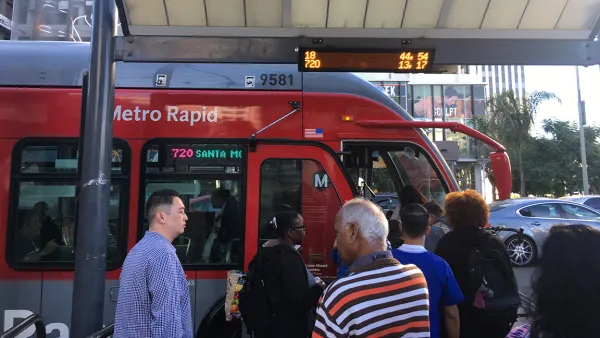
The Twitter Spat Heard 'Round the Planning World
It's understandable if you were too busy reveling in the holidays to catch the details of a controversy between Elon Musk and Jarrett Walker. The disagreement took on a life of its own on social media.


BLOG POST
Eyes on the Street
The concept of "eyes on the street" is relevant to a wide variety of neighborhoods, not just the low-rise urban areas that Jane Jacobs wrote about.

FEATURE
D.C.'s Wharf Makes the City's Housing Problems Worse
Did The Wharf, a new mixed use mega project in Washington, D.C., deliver enough public benefit to warrant its large public subsidy?
BLOG POST
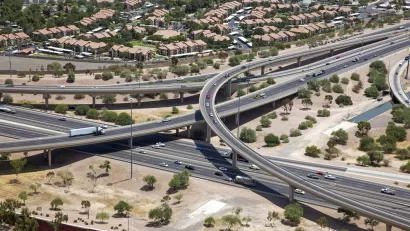
A New Traffic Safety Paradigm
Despite numerous traffic safety programs, traffic death rates have not declined in a decade and recently started to increase. We can do better! A new paradigm identifies additional safety strategies that reduce both crash rates and risk exposure.

FEATURE
2017's Best Songs About Places
Our favorite genre of music is the one that celebrates places.

FEATURE
Forget 'Smart'—We Need 'Context Cities'
Frequent Planetizen contributor Charles R. Wolfe reflects on reconciling global forces and local context in cities across three continents.

BLOG POST
3M Co. and Others Sued in Tennessee River Pollution Case
Another large corporation is accused of misleading the public about its impacts on the environment. This time, drinking water is at stake.

BLOG POST
No Place to Call Home: A Review of 'Homeless: Poverty and Place in Urban America'
In a history of the skid rows in American cities from the late 19th century until the urban renewal era of the 1960s, Ella Howard tells of the impoverished people who inhabited them and the policy choices that supported their existence.

BLOG POST
A Sermon for the Homeless
A recent conference hosted by the American Institute of Architects in Los Angeles shined a light on efforts to reduce homelessness in Los Angeles—and demonstrated just how much work must be done nationwide to solve this humanitarian crisis.
BLOG POST
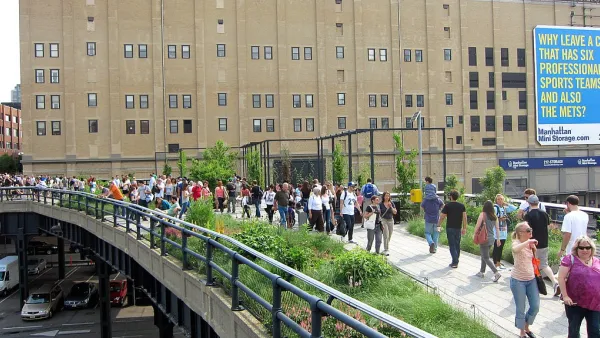
No, Your City Is Not Overcrowded
One common argument against new housing (especially in Manhattan) is that the city is "overcrowded."

FEATURE
Planetizen's Top Ten Books of 2017
Planetizen is pleased to release its list of the best books published in 2017 on the subjects of planning, design, and development.

BLOG POST
All I Want for Christmas Is a New Transportation Planning Process
I put my Christmas wish in a little early this year—wanted to give Santa time to deliver, and it's not an easy wish to grant. No data, no graphs, no citations, just some thoughts to share.
BLOG POST
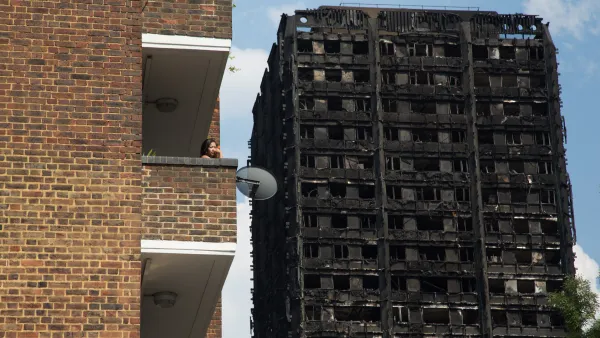
Unfortunate Lessons for City Planners From the Grenfell Tower Fire
The Grenfell Tower Fire in London took the lives of 71 people, and investigators are still searching for lessons from the tragedy. American planners shouldn't neglect these lessons, either.

FEATURE
The Block Fallacy, or How Not to Build a Circulation System
An examination of the Block Ordinance as a panacea for the ailments of modern cities.
BLOG POST
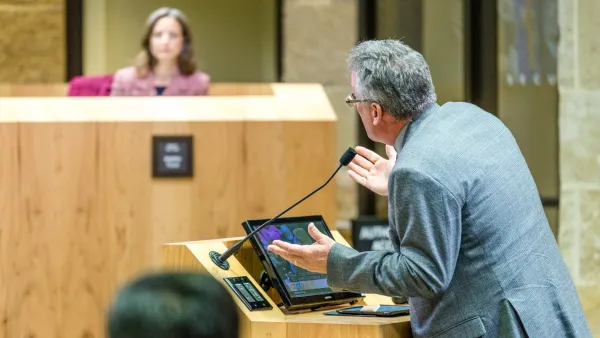
The Truth About Creating Policy: It Can't Be Evidence-Based
Research in cognitive sciences is dictating that we can no longer rely on the presentation of scientific facts when building policy.
FEATURE
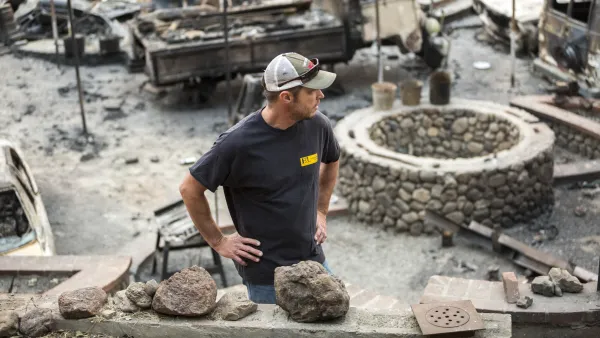
Could Autonomous Vehicles Save Lives in Disasters?
Autonomous vehicles could provide life-saving assistance in the event of a large-scale evacuation, if a shared fleet of autonomous vehicles is built with this purpose in mind.

BLOG POST
High Rents: Are Construction Costs the Culprit?
Rejecting the common argument that cities can never be affordable because of high construction costs.
City of Rosemead
Rutgers University, Edward J. Bloustein School of Planning and Public Policy
One Hundred Miles
University of Michigan School for Environment and Sustainability (SEAS)
Hunter College, City University of New York (CUNY)
The Architects Foundation
City of Cambridge
Montrose County
The Pocatello Development Authority

FREE Course: Walkable City 1: Why Walkability?
After describing his path towards focusing on walkability as the essence of good planning, Jeff Speck marches through his five principal reasons for making more walkable places.
Reinventing Malls: Planning Alchemy—Turning Gray Fields Into Gold
The course focuses on the opportunities and imperatives that shape reinvention of mall sites.











