Community / Economic Development
Apps for Hailing Cabs Cause Controversy in NYC
NYC's Taxi and Limousine Commission approved a pilot program for apps that will allow users to request a yellow taxi ride on their smartphones rather than having to “raise [their] arms toward oncoming traffic” the old-fashioned way.
2012's Top Emblems of Chinese Overbuilding
To keep its slowing economy humming, China continues to pump colossal funds into infrastructure projects. With massive stimulus spending comes massive inefficiencies. Naomi Rovnick selects China's most wasteful infrastructure projects of 2012.
America's Top Transportation Follies and Triumphs
Based on five criteria, the Sierra Club has evaluated “the 50 best and worst transportation projects” in the nation, shining light on apparent fiascoes in the making, as well as progressive achievements.
Ohio Makes it Easier to Fight Blight
Ohio has been one of the hardest hit states by the recent wave of foreclosures, with filings continuing to rise. Susie Cagle looks at the variety of state and local policies and programs arming communities with new tools to fight blight.
Can a Soccer Tournament Revive Cities Across Europe?
Henry Grabar celebrates the recent decision by UEFA, European soccer's governing body, to hold their 2020 tournament in cities across the continent, rather than in one or two countries as has been the tradition.
Using Brownfields to Heal Contaminated Communities
Ronda Kaysen reports on the growing trend in transforming brownfield sites in disadvantaged communities into health centers, "in essence taking a potential source of health problems for a community and turning it into a place for health care."
Commercial Building Boom Predicted for India
A dearth of high quality retail spaces in India's largest cities and the growing attraction of large foreign retailers to the country have analysts predicting a boom in commercial development.
Connecticut Seeks to Leverage Transit to Build Roads
With two major transit lines in the pipeline, and several billion dollars of road, bridge, and transit repair and replacement projects planned for the future, Connecticut officials are counting on transit-oriented development to help raise revenue.
Why Public Health Makes Business Sense
In the increasing competition between cities, regions, and states for the highly desirable jobs and industries driving economic growth in these difficult times, community health has become a key ingredient in attracting employers.
Raleigh Paves the Way for Walkability
Raleigh, North Carolina didn't take getting placed sixth most dangerous metro area in the country lightly back in 2009, and recently drafted a Comprehensive Pedestrian Plan in response.
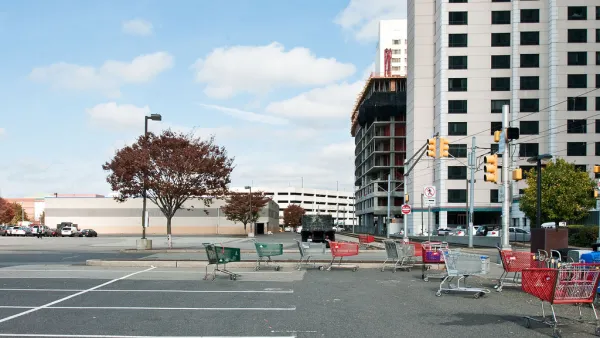
A Novel Approach for Eliminating Surface Parking Lots
In Minneapolis, and cities across the country, surface parking lots are an enduring blight on urban landscapes; their presence often incentivized by existing tax structures. Could a new approach to property taxation maximize the productivity of land?

Top 10 Books - 2013
Planetizen is pleased to release its eleventh annual list of the ten best books in urban planning, design and development published in 2012.
Art Leads a Miami Neighborhood's Comeback
After a decade of establishing itself on the global art calendar, the "once-forlorn slab of Miami called Wynwood" is now a year-round must-see destination.
Mapping the Leaders of Public Interest Design
For its inaugural list of the "Public Interest Design 100," PublicInterestDesign.org and research partner the University of Minnesota College of Design have identified the key figures leading the convergence of design and service.
Re-Connecting Housing and Health for a Better Future
Elizabeth Burton reminds us of the close connection between housing and health, and proposes better ways to gauge how housing may affect the health and well-being of residents.
Massive Engineering Projects Transform Seattle's Waterfront
The formerly industrial shoreline of Puget Sound will soon undergo $4.5 billion worth of engineering projects that will complete Seattle's waterfront transformation, reports Kirk Johnson.
Traditional Cities and Towns: Incubators of Incompetent Children
With tongue firmly in cheek, Scott Doyon asks urban dwellers, "Are your enviable surroundings crippling the children?"
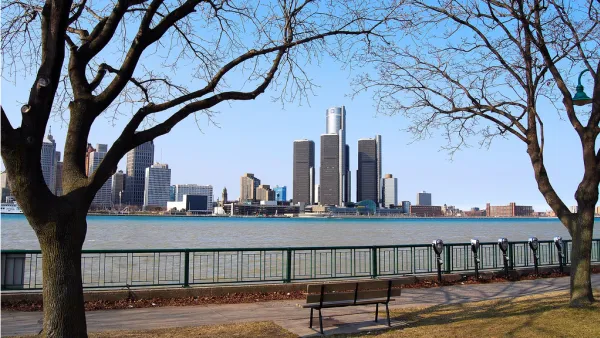
Detroit's Unreal Estate
On Places, Andrew Herscher of the University of Michigan challenges the usual view of Detroit's decline.
Energy Fuels Growth in Zoning-Free Houston
The oil and gas companies clustered south of the central business district and in the Woodlands account for 3.4 percent of the city's employment, but the concentrated energy sector helps spread the wealth to other sectors in zoning-free Houston.
Unlocking Ideas for Re-Purposing America's Prisons
The good news - America is closing its prisons. The bad news - America is closing its prisons. Emily Badger asks how "all these empty, peculiar and often isolated buildings" can be reused.

FREE Course: Walkable City 1: Why Walkability?
After describing his path towards focusing on walkability as the essence of good planning, Jeff Speck marches through his five principal reasons for making more walkable places.
Reinventing Malls: Planning Alchemy—Turning Gray Fields Into Gold
The course focuses on the opportunities and imperatives that shape reinvention of mall sites.

Greater Baltimore Committee
Eagle County Government
Harvard University Graduate School of Design
The Architects Foundation
University of Cincinnati Online
The Pocatello Development Authority
The Urban Renewal Agency of the City of Pocatello
Journal of the American Planning Association