Washington

Taking Action Against Racial Covenants in Washington Property Deeds
Covenants restricting ownership to white people are not uncommon in old Seattle-area property deeds. Homeowners can now put in requests to legally strike the offensive language.
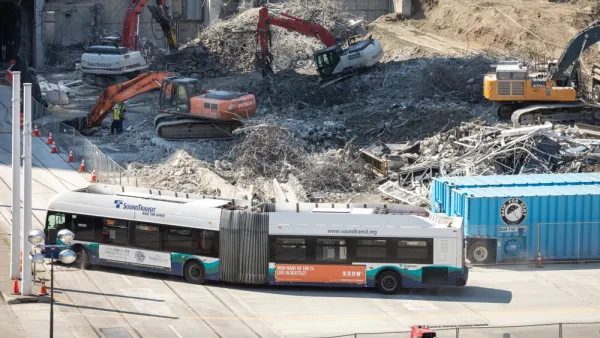
Editorial Calls for Automated Enforcement for Bus Lanes
The Seattle Times Editorial Board argues that automated enforcement would remove scofflaws from blocking bus commuters.
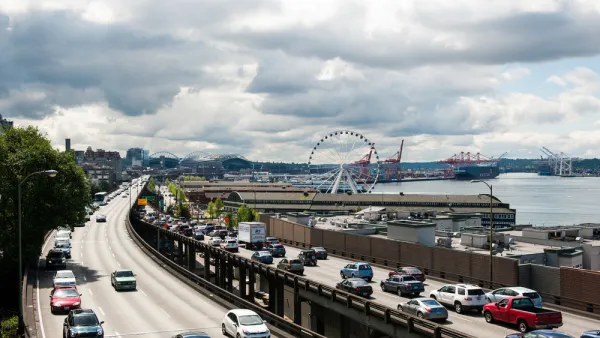
Tax Deal Clears the Way for Seattle's Grand Waterfront Park Plans
A proposed waterfront plan has secured the necessary funding to move forward in Seattle, pending City Council approval.
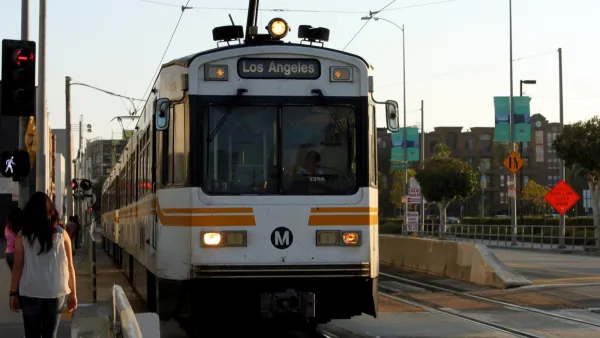
New York Times: Transit on West Coast Surging Ahead of East Coast
East Coast transit systems used to be the envy of other cities, but now the West Coast is taking big steps to expand their networks.
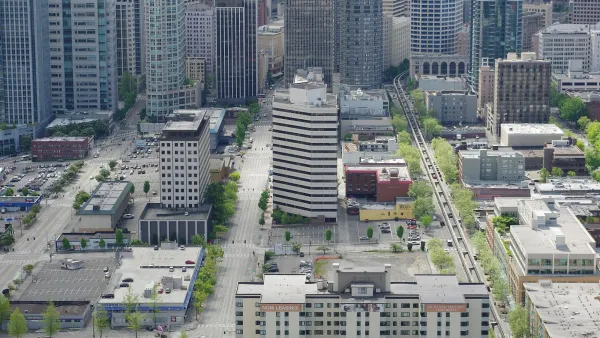
End of Seattle Freeway and Tunnel Is a Green Opportunity
A community initiative says demolition of the Alaskan Way Viaduct and closure of the Battery Street Tunnel offer a chance to turn a series of green infrastructure ideas into reality.

Washington State Budget Makes Puget Sound Orcas a Priority
Southern Resident orca numbers are distressingly low. The proposed budget would fund a number of measures to help the whales.
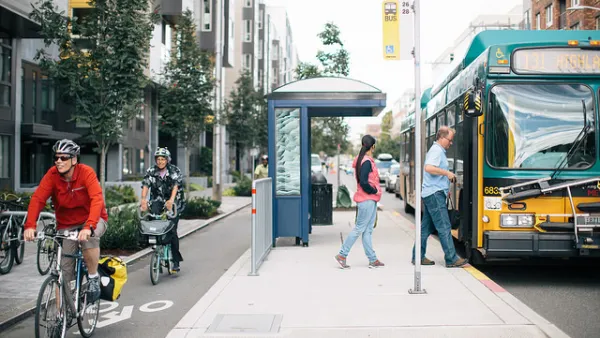
Downtown Seattle Corridor Gets Visioning Treatment
A stakeholder group hopes to create a pedestrian- and business-friendly streetscape in Downtown Seattle.
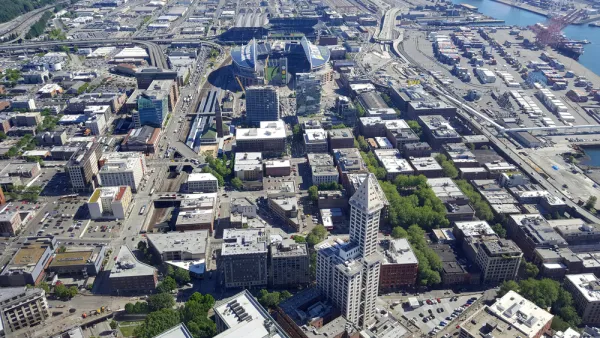
Seattle Releases RFP for Lid I-5 Study
The plan to top I-5 in Seattle with a cap park—what writer Natalie Bicknell calls "the most ambitious effort in our region"—is moving ahead with a $1.5 million feasibility study.
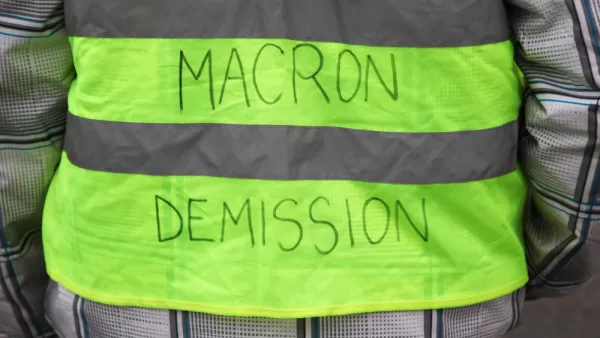
Learning the Wrong Lessons From France's Yellow Vest Movement
The widespread Yellow Vests protests, which initially involved hundreds of thousands of protestors in November, are wrongly being interpreted as a movement against carbon taxes and climate action, rather than a revolt against social inequities.
Level of Service Reform Takes Step Forward in Seattle
The city of Seattle is making more room for alternative transportation modes in its level of service calculations.
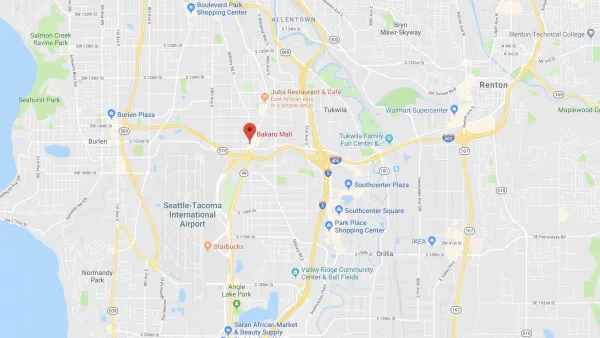
Displacement Controversy Arrives in SeaTac
Controversy surrounds a development deal in the city of SeaTac, after the city made a $15.5 million development deal that could displace a local business community powered by immigrants from Africa, the Middle East, and Asia.
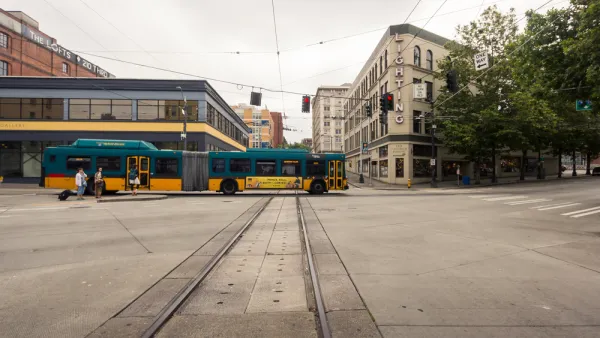
Pushing for Cameras to Enforce Bus-Only Lanes
Scofflaws are common and enforcement difficult in the 40 miles of surface street bus-only lanes in King County, Washington. Transit officials are hoping cameras can help fill the gap.
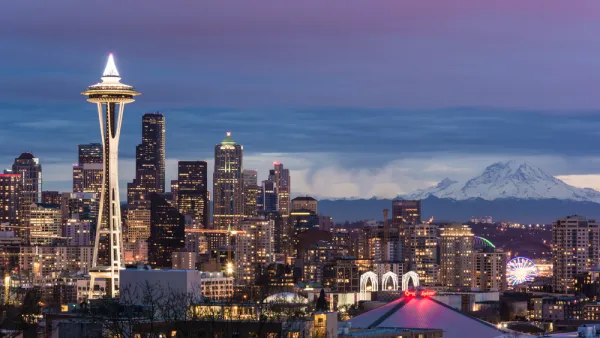
Is Seattle Ready for the Next Big Earthquake?
Seattle and Bellevue are raising their standards for earthquake preparedness after a study of the Cascadia Fault showed the city was at greater risk than previously thought.
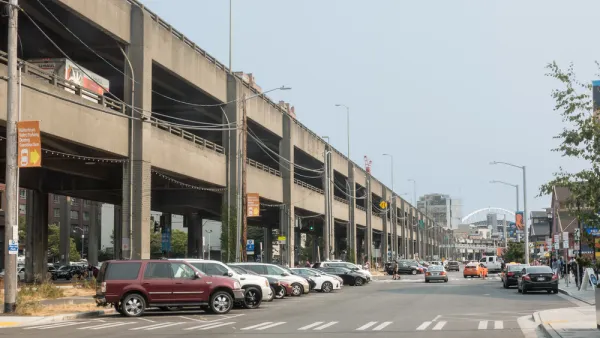
Dealing With the 'Seattle Squeeze'
Sections of the Alaskan Way Viaduct will begin closing on January 4, 2019. The city's new tunnel to replace the route doesn't open until February.
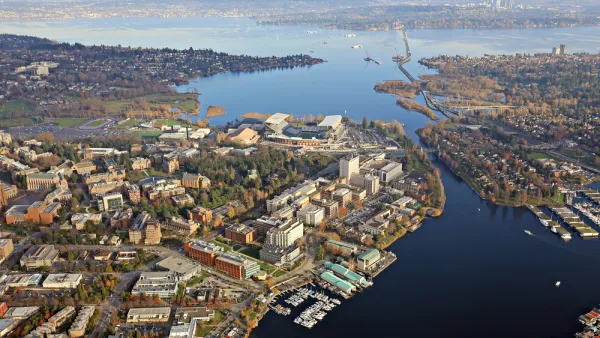
University of Washington Gets Approval for Major Expansion
With several stipulations, Seattle City Council has signed off on the university's plans for up to 6 million square feet of new construction, including high-rises.
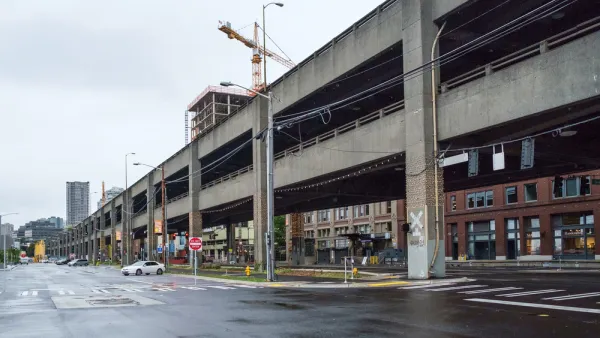
Seattle Scrambles to Handle Upcoming Traffic 'Squeeze'
Dubbed the "Seattle Squeeze," heavier traffic is expected in the new year as the Alaskan Way Viaduct closes and downtown construction projects continue. While the city prepares, activists want to use the opportunity to encourage other modes.
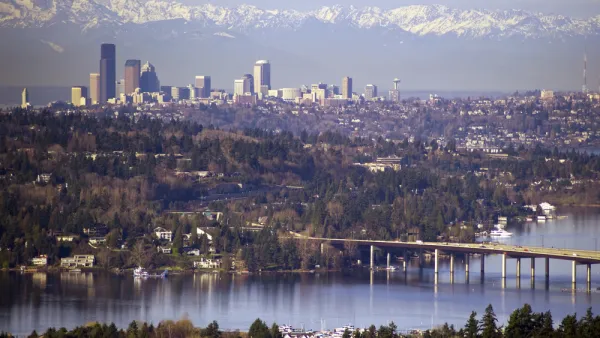
Super Commuters Increasing in Seattle
More and more people are driving farther and farther to get to work in the Seattle region.

San Diego Water Recycling Project Receives Critical EPA Loan
One of the nation's most ambitious attempts to recycle wastewater into potable water received a huge lift last month from the EPA with the receipt of a $164 million loan under the now-permanent Water Infrastructure Finance and Innovation Act.
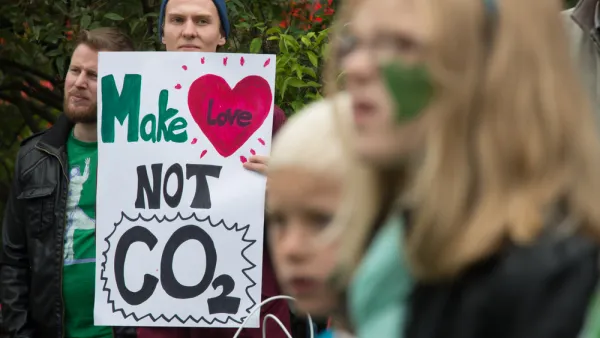
Carbon Pricing Strategies Under Consideration in Seven States
Several states, and even the federal government, are considering adopting carbon pricing plans.
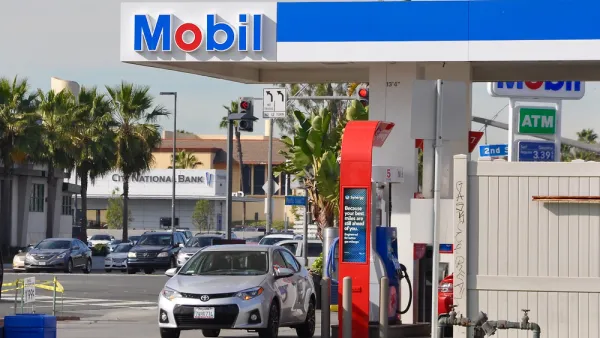
Are Environmentalists Turning Away From Carbon Taxes?
Economics 101: It's difficult to reduce an activity if there's no price attached to it, so why are many environmentalists increasingly turning away from wanting to price carbon emissions?

FREE Course: Walkable City 1: Why Walkability?
After describing his path towards focusing on walkability as the essence of good planning, Jeff Speck marches through his five principal reasons for making more walkable places.
Reinventing Malls: Planning Alchemy—Turning Gray Fields Into Gold
The course focuses on the opportunities and imperatives that shape reinvention of mall sites.

City of Rosemead
Rutgers University, Edward J. Bloustein School of Planning and Public Policy
One Hundred Miles
University of Michigan School for Environment and Sustainability (SEAS)
Hunter College, City University of New York (CUNY)
The Architects Foundation
City of Cambridge
The Pocatello Development Authority
The Urban Renewal Agency of the City of Pocatello









