A first attempt at quantifying the travel of ride-hailing vehicles at the local level finds companies like Lyft and Uber with a massive footprint.


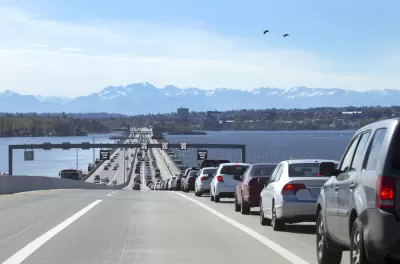
"The rise of Uber and Lyft in Seattle meant about 94 million additional miles were driven on Seattle-area roads in 2017," reports David Gutman.
That data is the headlining finding of a first-of-its-kind analysis of the local consequences of transportation network companies in Seattle, completed by Schaller Consulting.
"People took 20 million rides in Seattle in 2017 with transportation network companies (TNCs), the biggest of which are Uber and Lyft, according to data from the Seattle Department of Transportation," explains Gutman. Schaller Consulting used that data to estimate the 94 million figure.
"Uber and Lyft, Schaller’s study of nine major cities says, aren’t really causing people to drive less; they’re pulling passengers who otherwise would walk, take the bus or just stay home," according to Gutman. That conclusion supports findings originally reported in a study by Regina Clewlow.
FULL STORY: Uber and Lyft are increasing car traffic in Seattle. How much? 94 million miles

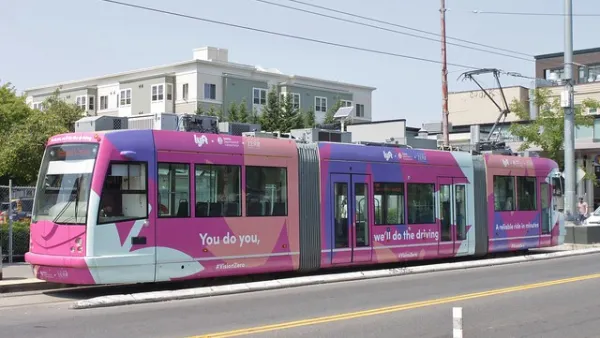
Ride-Hailing Tax to Fund Affordable Housing on the Table in Seattle
Seattle would join cities like New York, Chicago, and Washington, D.C. in taxing rides with companies like Uber and Lyft. Seattle would use some of that revenue to fund affordable housing projects.
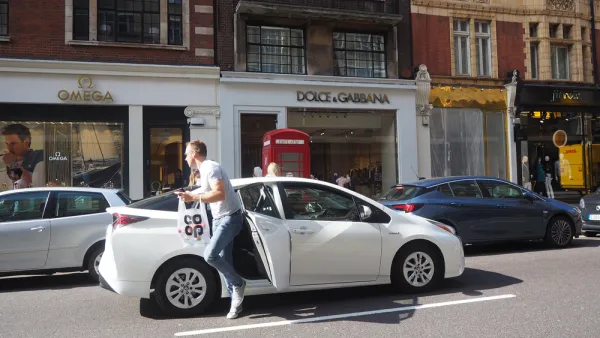
Uber and Lyft Reveal Seattle-Area Trip Data
After a court battle, the two big transportation network companies finally released trip data, revealing rapid growth and a concentration of rides in the city's most congested areas.
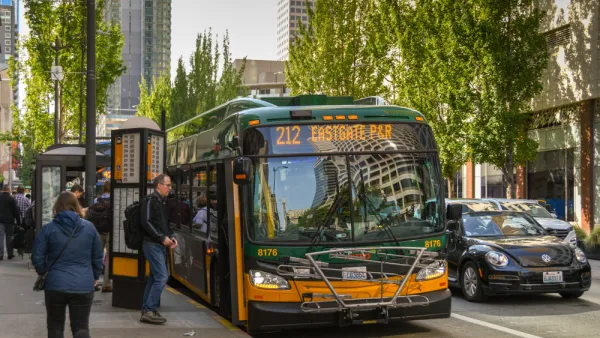
Seattle Transit Winning Back Riders Faster Than Ridehailing
Ridehailing companies saw a steep drop in ridership in the city during the pandemic, followed by a slow recovery as their prices increase and demand slows.

Planetizen Federal Action Tracker
A weekly monitor of how Trump’s orders and actions are impacting planners and planning in America.

The state-sanctioned urbicide of Austin
People don’t kill cities. Freeways do.

US to reduce Colorado River water deliveries to Mexico
A new Colorado Treaty amendment reduces Mexico’s Colorado River water allocation by 250,000 acre feet.

5 New England states march closer to 800 megawatt wind energy project
Securing federal approval for the project may be complicated under the Trump administration, which has historically been hostile towards domestic wind power.

Baltimore to break ground on $50 million Transit Priority Project
The project will bring faster bus trips, safer streets and better bike connections to Baltimore.

Airbnb launches $250 million 'last-dollar financing' housing accelerator, makes first investment in Austin
The company will put $6.4 million towards affordable housing development in Texas’ capital.

FREE Course: Walkable City 1: Why Walkability?
After describing his path towards focusing on walkability as the essence of good planning, Jeff Speck marches through his five principal reasons for making more walkable places.
Reinventing Malls: Planning Alchemy—Turning Gray Fields Into Gold
The course focuses on the opportunities and imperatives that shape reinvention of mall sites.

Eagle County Government
Harvard University Graduate School of Design
Nashville Planning Department
The Architects Foundation
University of Cincinnati Online
The Pocatello Development Authority
The Urban Renewal Agency of the City of Pocatello
Journal of the American Planning Association