Urban Development

Developer Aims to Fill a 'Craft Beer Desert' in Austin
Yeah, they went there.
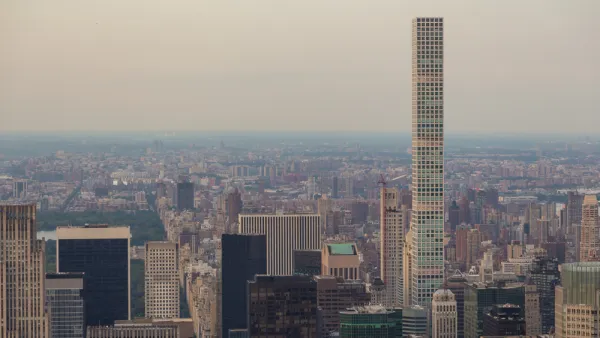
Report: Skyscrapers a Driving Factor of the Urban Heat Island Effect
As cities build upwards in an effort to create more housing and increase walkability, research shows that tall buildings intensify heat and contribute to increased carbon emissions.
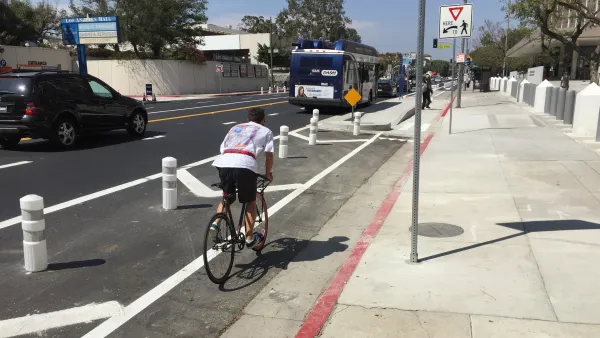
Study: Bike Lanes Don't Cause Displacement
A longitudinal study shows that bike facilities don't precede neighborhood change or displacement of residents.
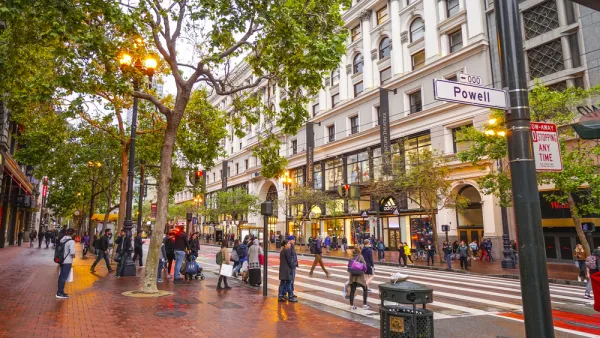
Ranking the Top 15-Minute Cities of the United States
The rankings in a recent report are about the potential of U.S. cities to become more like the 15-minute city model provided by Paris.
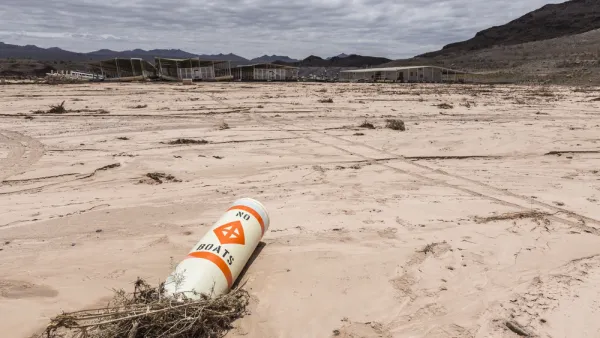
Federal Government Declares Water Shortage as Lake Mead Reaches Critical Low
The first-of-its-kind declaration triggers major water cutbacks for Arizona farmers and reduced allocations for Nevada and Mexico.
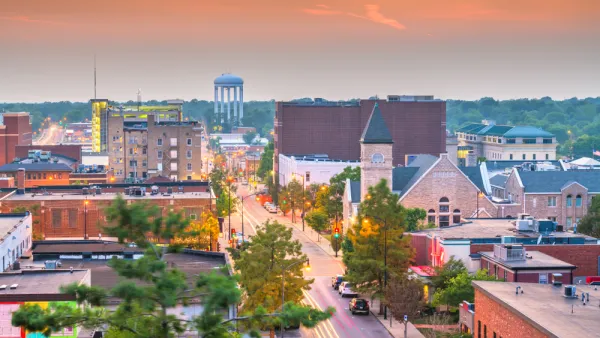
Small-Scale Manufacturing Can Maximize the Potential of America's Small Cities
Artisans and small-scale manufacturers offer tremendous economic opportunities for cities prepared to harness that creative and entrepreneurial energy.
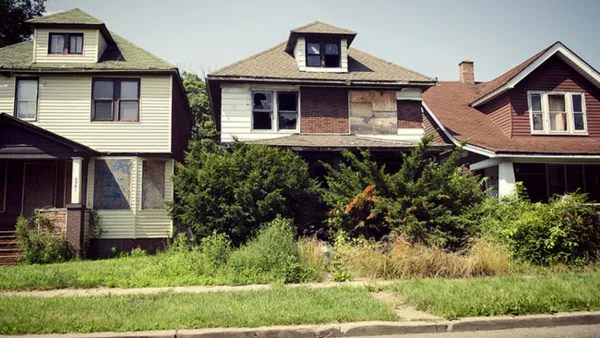
Detroit Residents Find it Hard to Access Land Bank Properties
Longtime residents say the city is not fulfilling its goal of keeping vacant parcels in the hands of locals as property values rise steeply.
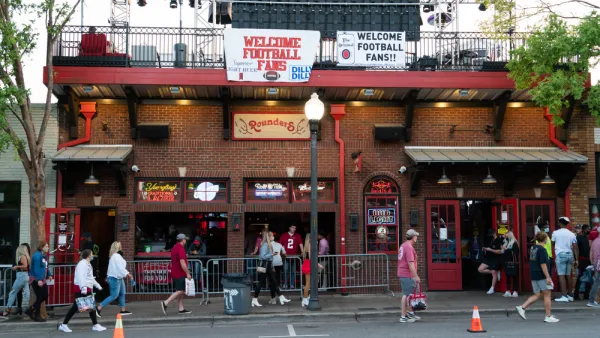
'Gameday Homes' Raise Housing Costs in Small Southern Towns
Small college towns are seeing housing costs increase as out-of-town football fans buy up properties for short-term use.
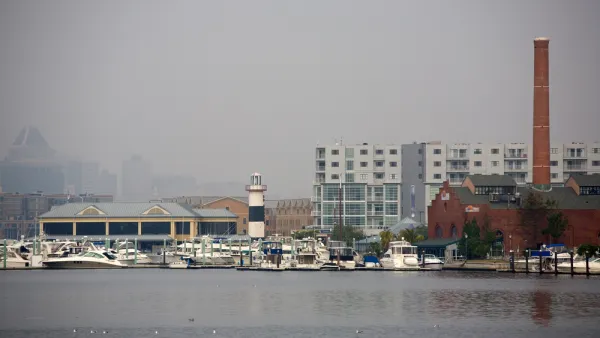
Resiliency Hubs Help Baltimore Plan for Climate Emergency
The Green New Deal for Cities, a bill introduced in April by reps. Cori Bush (D-MO) and Alexandria Ocasio-Cortez (D-NY), includes among the list of projects eligible for funding those that "build capacity for communities to endure extreme weather."
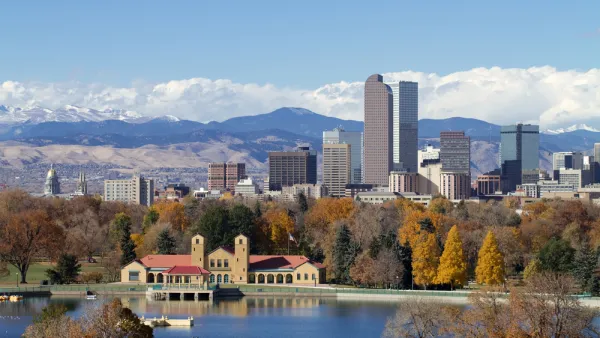
How One Community Land Trust Delivers Housing Affordability to Denver
The Elevation Community Land Trust's unusual ownership structure and strong initial fundraising have given it a solid footing in the Denver area.

'A City is Not a Computer:' Why 'Smart Cities' Fail
The 'smart city' concept fails to take into account the necessary slowness of democracy and the unpredictability of a city's human inhabitants.
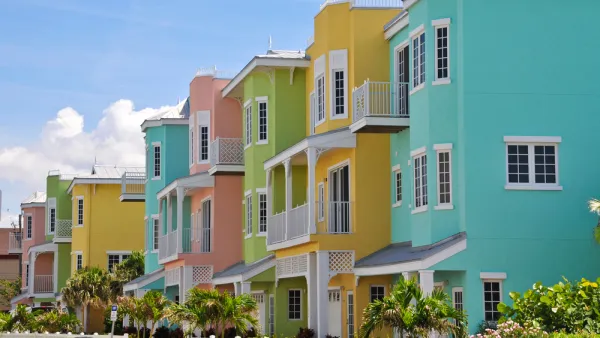
U.S. Condos Face a 'Midlife Crisis'
An overlooked but important part of American housing stock, many condominium complexes are facing the consequences of decades of deferred maintenance as their buildings and infrastructure reach a critical age.
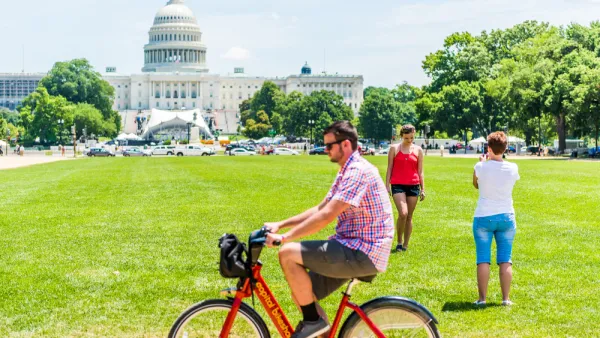
Bipartisan Infrastructure Bill Heads to the House: Details and Reactions From the Planning World
Planetizen gathered explainer posts and advocacy responses that continue to shine a light on the Infrastructure Investment and Jobs Act, approved by the U.S. Senate earlier this month.
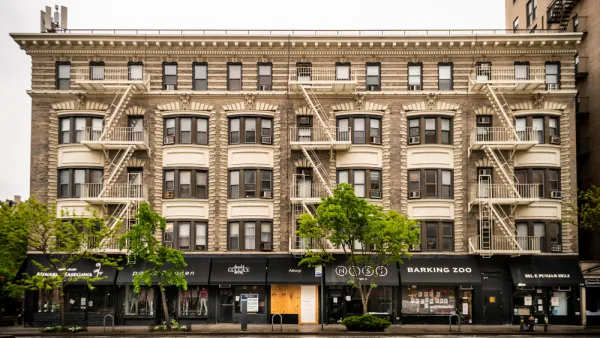
New York Progressives Continue to Block Development
Despite mounting evidence that cities like New York must build more housing to accommodate their growing populations and stem the housing affordability crisis, some of the city's most progressive neighborhoods are resisting new development.
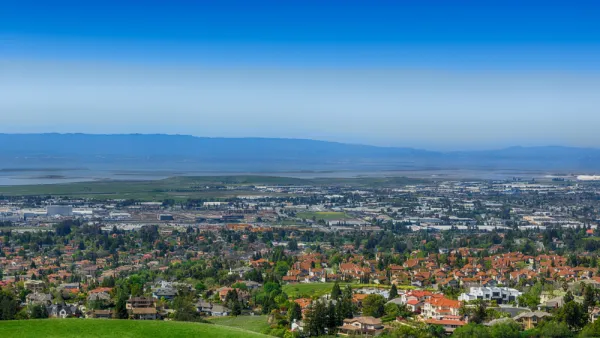
Wealthy Bay Area Communities Fight Housing Targets
Some California cities and counties are appealing regional housing allocations, which could have a meaningful impact on how and where development occurs over the next decade.
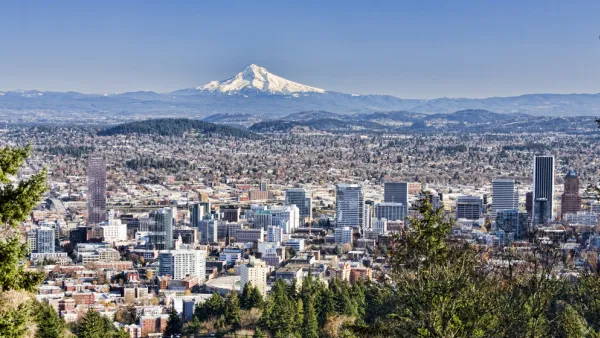
The Long Road to Portland's Historic Residential Infill Project
How the journey of one zoning reform campaign can inform future efforts.
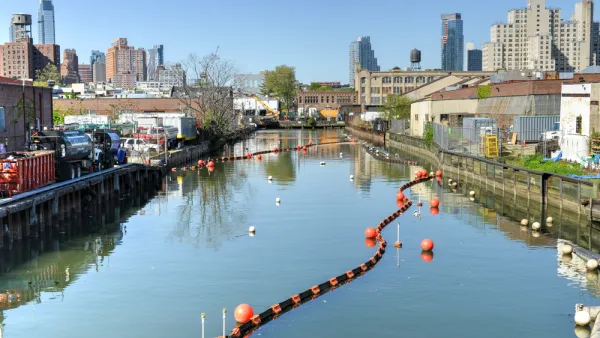
Gowanus Racial Impact Study Predicts Increased Diversity After Rezoning
The report outlines the potential impacts on the neighborhood's racial diversity and the availability of below-market housing units.
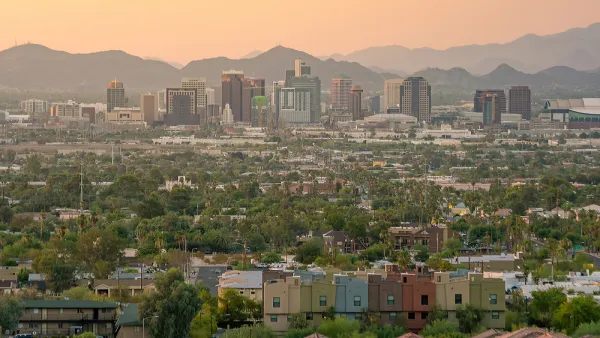
Why It's So Difficult to Measure Heat Deaths
Without a standard for recording and classifying heat-related deaths, experts believe the scale of the problem is much bigger than numbers let on.
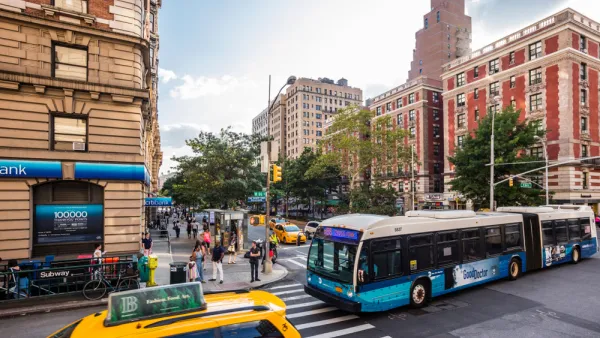
NYC Expats Struggle With Their Decision to Leave
Strong place attachment makes it difficult for New Yorkers to settle into their new homes, but many are finding ways to recreate their favorite parts of the city elsewhere.
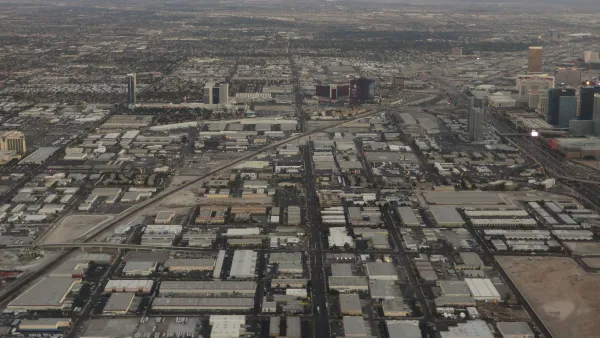
Cities in the South and West Keep Sprawling
New suburbs continue to expand into previously undeveloped areas, putting strain on local resources.

FREE Course: Walkable City 1: Why Walkability?
After describing his path towards focusing on walkability as the essence of good planning, Jeff Speck marches through his five principal reasons for making more walkable places.
Reinventing Malls: Planning Alchemy—Turning Gray Fields Into Gold
The course focuses on the opportunities and imperatives that shape reinvention of mall sites.

City of Rosemead
Rutgers University, Edward J. Bloustein School of Planning and Public Policy
One Hundred Miles
University of Michigan School for Environment and Sustainability (SEAS)
Hunter College, City University of New York (CUNY)
The Architects Foundation
City of Cambridge
Montrose County
The Pocatello Development Authority









