The annual list of endangered rivers created by American Rivers has always documented pollution and other threats like dam construction, but this year, the confluence of water and systemic racism warrants extra attention.


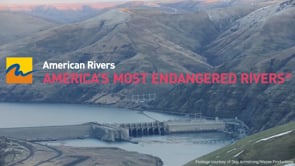
American Rivers recently named the Snake River as the country's most endangered river in 2021, the latest update in the annual list of abused and neglected rivers.
According to an article about the list by Trout Unlimited, the Washington, D.C.-based conservation group American Rivers noted "perilously low returns of Snake River salmon and steelhead" on the Snake River and an "urgent need for lawmakers and communities to come together to develop a comprehensive economic revitalization plan."
According to the webpage that describes the Salmon River's designation as the most engendered river in the country, the loss of fish violates the rights of Native Americans who live along the river and center salmon as a spiritual and cultural icon.
"The loss of salmon, a keystone species, has devastated ecosystems, native cultures, and fishing communities across the region. Scientists say that the Snake River, the largest tributary and historically the most prolific producer of salmon in the Columbia River Basin, holds the largest potential for restoring salmon to healthy, harvestable numbers," according to American Rivers. "To accomplish this, removing four dams on the lower Snake River in eastern Washington is essential along with increasing flow over downstream dams."
Turkey Creek on the Mississippi Gulf Coast also made the list, prompting an article by Anita Lee documenting the systemic racism plaguing neighborhoods along that waterway.
"The nonprofit conservation organization based in Washington included Turkey Creek on the list because of development plans that threaten the historic watershed," writes Lee. "The organization says the Black communities surrounding the waterway have suffered from 'systemic racism' as state and federal agencies permit harmful development."
Specifically, local conservation groups are fighting plans to build new and improved roads that would link the commercial corridor north and south of I-10 on U.S. 49. Also, "Residents for decades have successfully fended off commercial development of about 1,000 acres, much of it wetlands, between their neighborhoods and Prime Outlets shopping center," in addition to other concerns about the potential for development to send toxins into Turkey Creek.
The American Rivers list includes the following ten rivers, with links to pages devoted specifically to each:
- Snake River (Washington, Idaho, and Oregon)
- Lower Missouri River
- Boundary Waters (Minnesota)
- South River (Georgia)
- Pecos River (New Mexico)
- Tar Creek (Oklahoma)
- McCloud River (California)
- Ipswich River (Massachusetts)
- Raccoon River (Iowa)
- Turkey Creek (Mississippi)
For more reading on the ongoing struggle to protect U.S. rivers, see also the American Rivers list from 2020, which listed the Mississippi River as the most endangered river.
FULL STORY: Announcing America's Most Endangered Rivers® of 2021

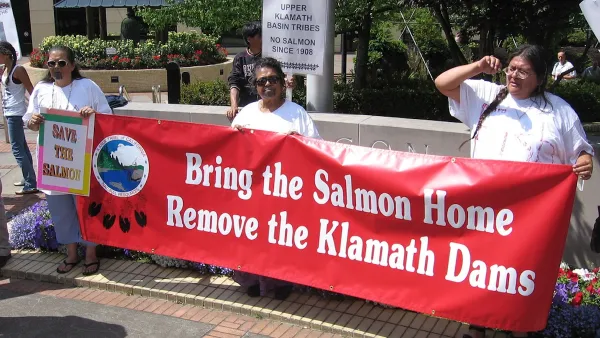
Last Dam in Klamath River Removal Project Comes Down
Salmon can now move freely along the river and its tributaries for the first time in over a century.
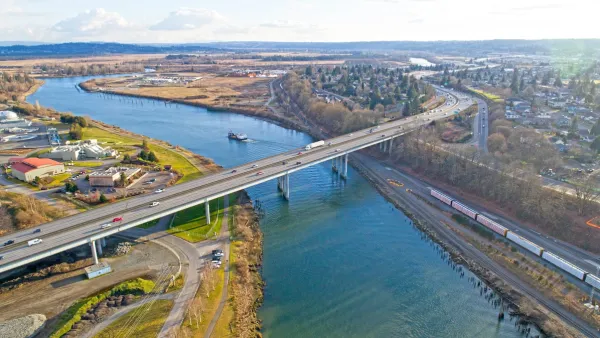
Snohomish River Gains Legal Rights
A new law in one Washington town enshrines the river’s legal right to “exist, regenerate, and flourish.”
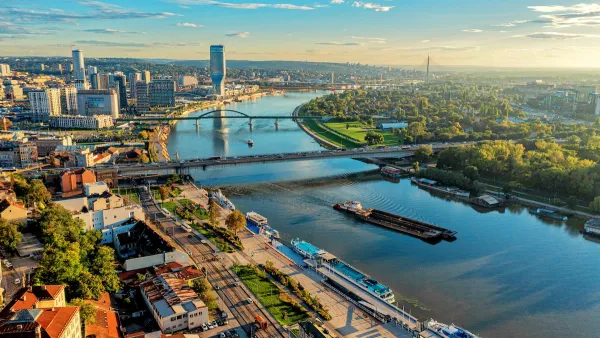
Report: European Rivers Are in Trouble
Some of the continent’s most important rivers are suffering from overuse and pollution.

The state-sanctioned urbicide of Austin
People don’t kill cities. Freeways do.

US to reduce Colorado River water deliveries to Mexico
A new Colorado Treaty amendment reduces Mexico’s Colorado River water allocation by 250,000 acre feet.

New Jersey’s second-largest city bans standalone data centers
Jersey City will continue to allow co-location facilities, such as those meant for research institutions that store their own data.

Amtrak not solely to blame for New Jersey commuter rail's unreliability, report finds
A new study from the Garden State Initiative found that NJ Transit’s budget grew 20% across a 4 year period, but reliability declined significantly over the same period.

EPA erases limits on planet-warming pollution from power plants
Under Monday’s plan, power plants would still have some limits on how much mercury, arsenic and other contaminants they can emit.

Phoenix announces new on-demand transit service, more frequent RAPID buses
Both new services will launch in October, and are part of Phoenix's Project Effective Access Solutions for Easing Congestion.

FREE Course: Walkable City 1: Why Walkability?
After describing his path towards focusing on walkability as the essence of good planning, Jeff Speck marches through his five principal reasons for making more walkable places.
Reinventing Malls: Planning Alchemy—Turning Gray Fields Into Gold
The course focuses on the opportunities and imperatives that shape reinvention of mall sites.

Eagle County Government
Harvard University Graduate School of Design
Nashville Planning Department
The Architects Foundation
University of Cincinnati Online
The Pocatello Development Authority
The Urban Renewal Agency of the City of Pocatello
Journal of the American Planning Association