Urban Development

AI for Planners Explained: Urban Digital Twins
When AI stops talking and starts showing.
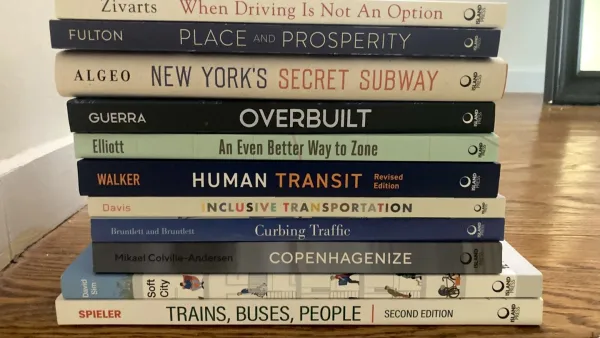
Publishing for Planners: A New Era for Island Press
As the legendary legacy publisher transitions into a new life phase, publisher Heather Boyer and senior editor Stacy Eisenstark reflect on the past and the future of creating books for planners.
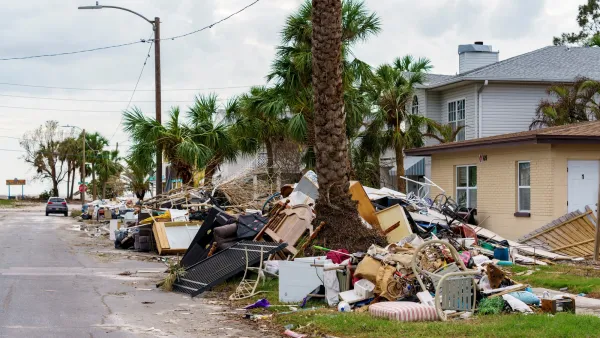
Florida Lawmakers to Reconsider 2024 Law Blocking Local Resilience Efforts
Legislators are proposing changes to a bill that froze all local land use and building code changes, including those designed to reduce risks from flooding and hurricanes.
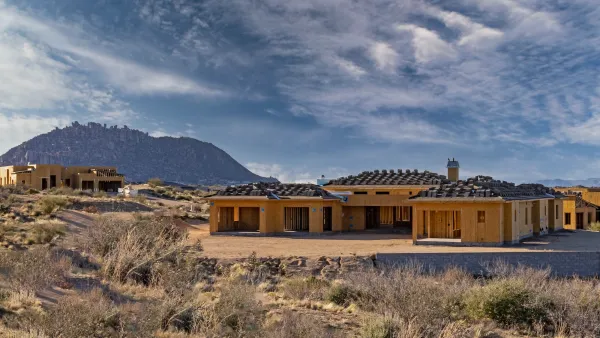
Planning Trends for 2026: States and Cities Take Initiative, Passenger Rail Gains Steam, and the Costs of AI Revealed
With federal funding for everything from transportation projects to housing assistance under threat, city and state governments are poised to take a stronger role in building strong, resilient local economies and public services.
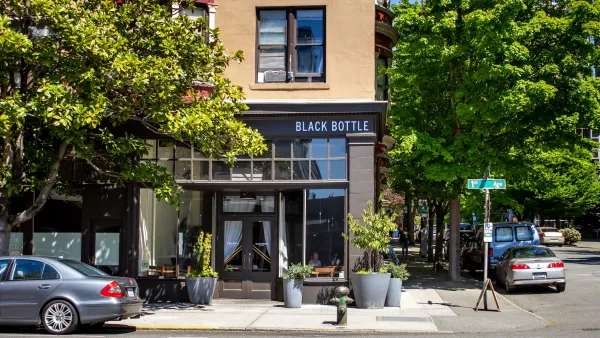
Washington House Legalizes Corner Cafes, Bodegas Statewide
The near-unanimous vote allows commercial uses in residential areas in nearly every Washington neighborhood.
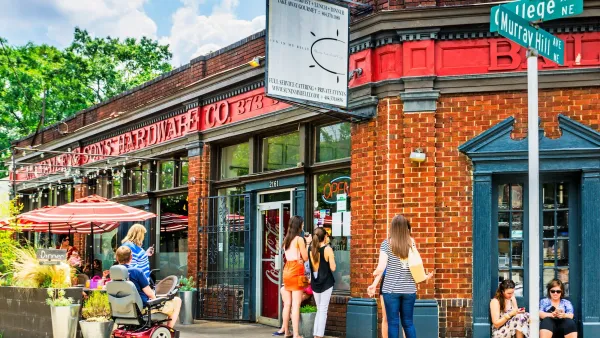
The Superstar Metro Argument... And Why It Fails
One argument against solving the housing shortage in large, expensive cities is that growth in those cities will drain people and wealth from declining areas. Data does not agree.
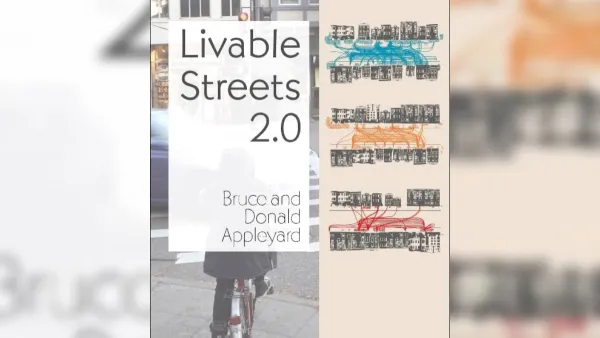
A Classic Revived, and More Important Than Ever
In “Livable Streets 2.0.” Donald Appleyard’s son, Bruce Appleyard, builds on his father’s seminal work and examines what it means today in an age of autonomous vehicles, modern policing technology, “20 is Plenty” and more.
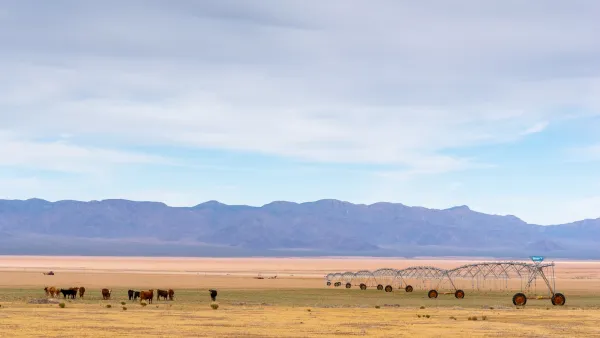
Arizona Tightens Groundwater Restrictions to Rein in Agribusinesses
The state is creating an ‘active management area’ in the western part of the state, where agribusinesses including a Saudi alfalfa exporter have practically free rein over water supplies.
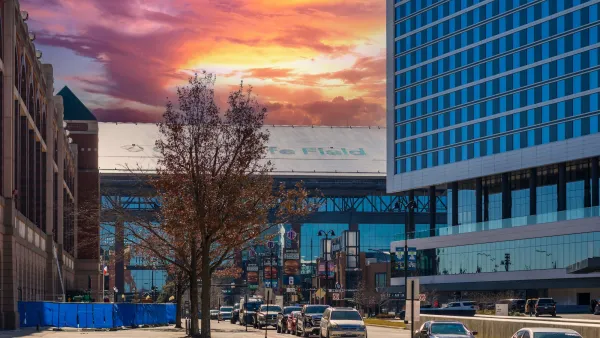
Arlington’s New Form-Based Zoning Designed to Guide a Cohesive Public Realm
Form-based zoning focuses on the design of buildings and how they interact with the public realm.
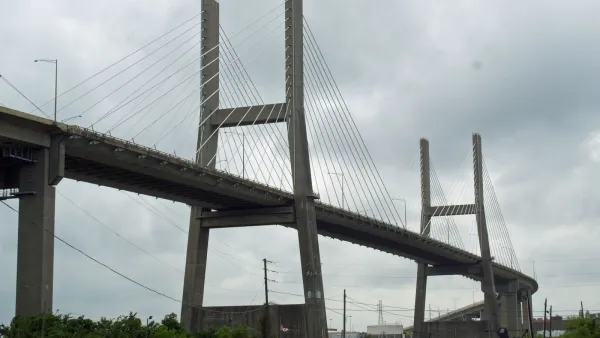
Historic Black Alabama Community Fights Displacement for Concrete Plant
Residents of Mobile’s Africatown neighborhood say building a concrete plant near homes and a historic site is “a step backwards.”
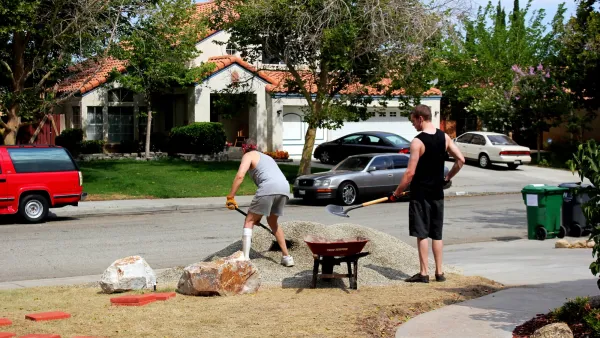
The Overlooked Spaces That Can Prevent the Spread of Fire
The space between homes can as much as double a chance’s home of survival during a fire.
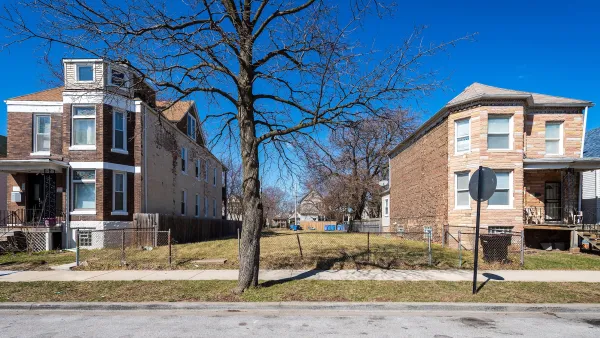
Chicago Breaks Ground on Vacant Lots Sold for $1 to 'Rebuild Middle-class Housing.'
The city’s Missing Middle Infill Housing program supports development in distressed neighborhoods.
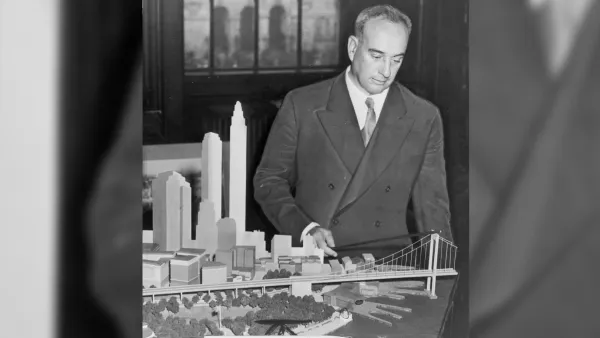
We are Perfectly Poised for Another Robert Moses
When “America is Building Again” while decentering equity, the ghost of Robert Moses haunts us.
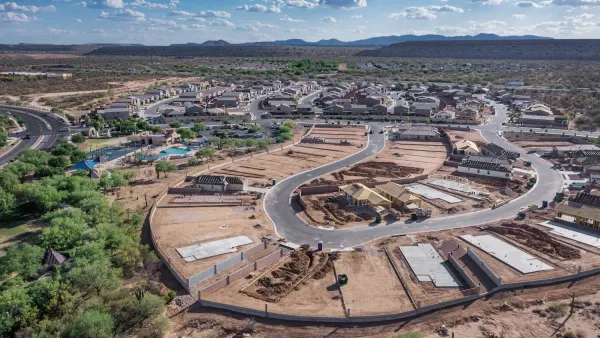
Planetizen’s Top Posts of 2025
The most-read articles on Planetizen in 2025.
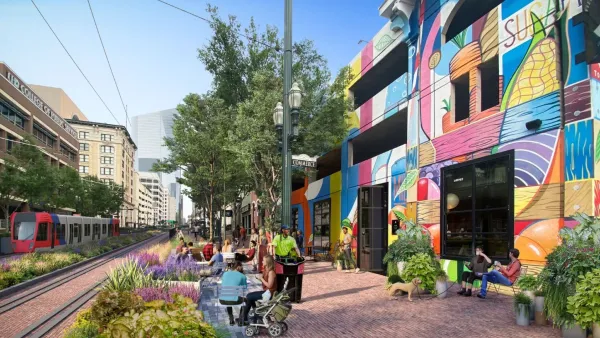
6 Streets Getting Pedestrian Makeovers in 2026
These U.S. cities are reducing or removing car traffic to make major streets more people-friendly.
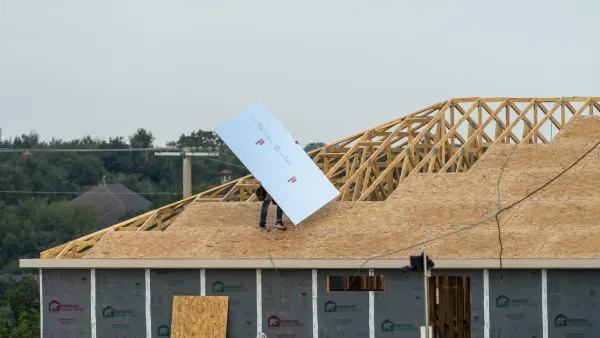
December Must-Reads: Top 10 Articles From Last Month
As cities and states change zoning laws to accommodate more housing, federal funding cuts and immigration raids that are impacting the construction labor market could slow efforts to alleviate the housing crisis.

Public Sector Consulting Isn’t Evil, but We Have to Keep it Honest
At its best, public sector consulting builds knowledge and delivers value for taxpayers. At its worst, it entrenches dependence and wastes resources. A code of ethics for keeping consulting ethical.
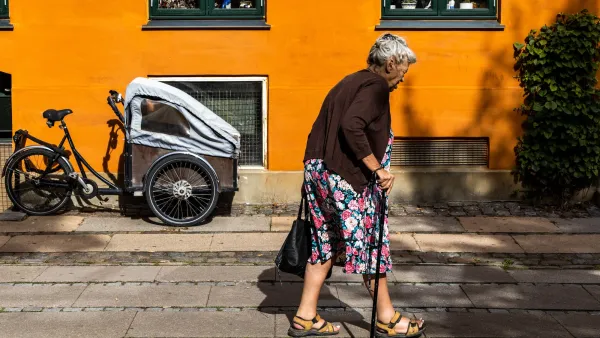
Great Cities Don’t Just Acknowledge That We Age In Them — They Build For It. We Can Too.
We age in sidewalks, public spaces, transit stops, and community centers — not in hospitals. As populations age, the built environment will determine whether our cities thrive or struggle in the decades ahead.
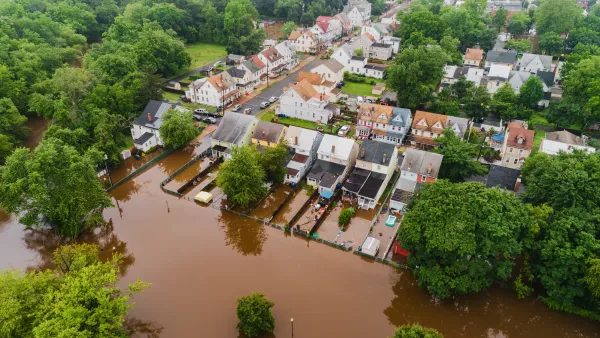
New Jersey Buyout Program Turns Flood-Prone Properties Into Green Buffer Zones
For 30 years, The Blue Acres program has offered homeowners in high-risk flood zones the chance to relocate, preserving land as open space.
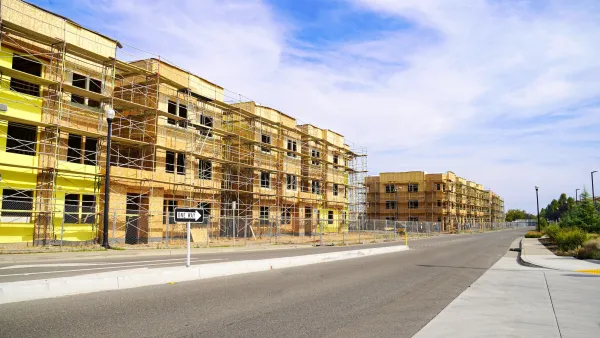
2025 Brought Seismic Changes to California Housing Laws
New state laws and policies created in reaction to devastating wildfires could spell massive changes for Southern California’s housing landscape.

FREE Course: Walkable City 1: Why Walkability?
After describing his path towards focusing on walkability as the essence of good planning, Jeff Speck marches through his five principal reasons for making more walkable places.
Reinventing Malls: Planning Alchemy—Turning Gray Fields Into Gold
The course focuses on the opportunities and imperatives that shape reinvention of mall sites.

City of Rosemead
Rutgers University, Edward J. Bloustein School of Planning and Public Policy
One Hundred Miles
Hunter College, City University of New York (CUNY)
The Architects Foundation
University of Cincinnati Online
City of Cambridge
Montrose County
The Pocatello Development Authority









