Urban Development

Four Reasons Urban Planners Can’t Ignore AI
It’s no longer a question of whether AI will shape planning, but how. That how is up to us.
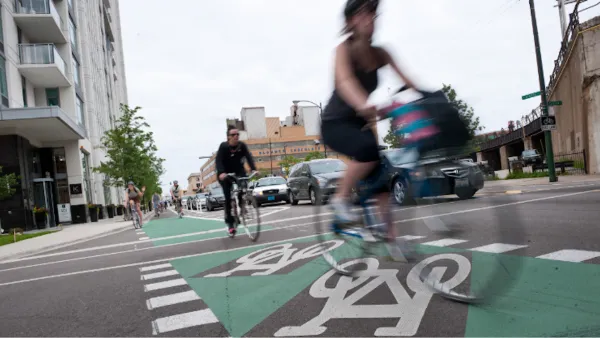
Growing up Car-Free in Chicago
One Chicago youth recounts their experience growing up in a car-free household.
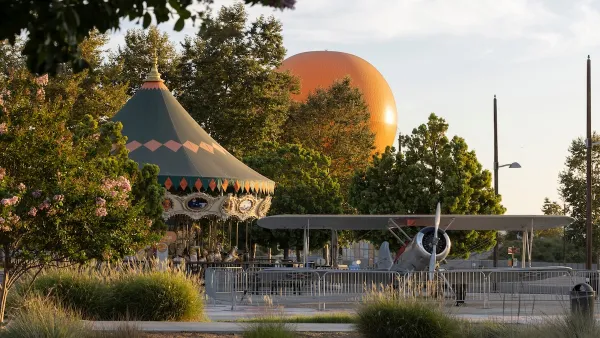
Irvine Ranked Second in Nation for Outstanding Park System
Irvine’s parks earned national recognition for their exceptional access, investment, and amenities, ranking second in the U.S. and first in California in the Trust for Public Land’s 2025 ParkScore Index.

Bioremediation for Environmental Justice
Bioremediation uses plants, fungi, and microbes to clean up polluted land in place, offering a nature-based option for restoring contaminated sites in overburdened communities.

Why a Failed ‘Smart City’ Is Still Relevant
A Google-backed proposal to turn an underused section of Toronto waterfront into a tech hub holds relevant lessons about privacy and data.
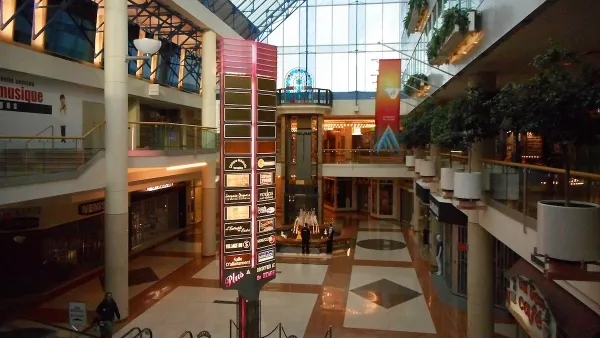
Montreal Mall to Become 6,000 Housing Units
Place Versailles will be transformed into a mixed-use complex over the next 25 years.
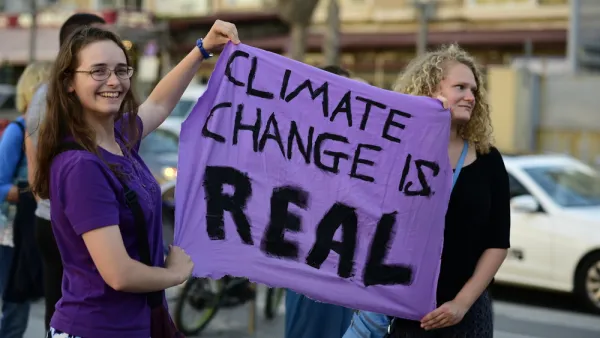
How Cities Can Support Climate Adaptation
In the face of federal cuts to climate resilience funding, a panel at ULI’s Resilience Summit offered suggestions for maintaining managed retreat and other climate adaptation programs.
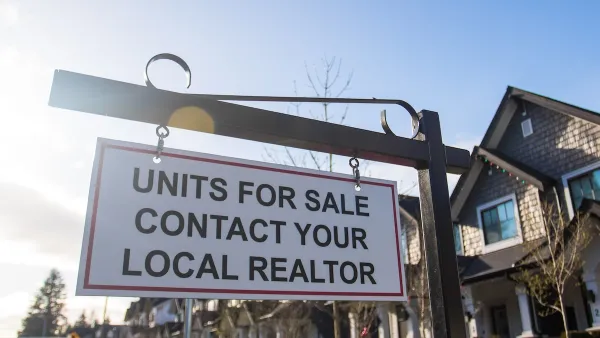
‘Displaced By Design:’ Report Spotlights Gentrification in Black Neighborhoods
A new report finds that roughly 15 percent of U.S. neighborhoods have been impacted by housing cost increases and displacement.
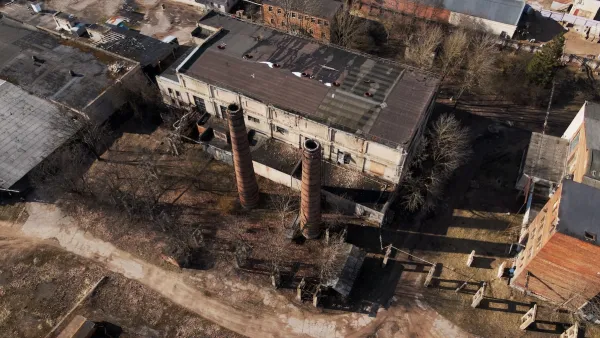
Wisconsin Awarded $12 Million for Brownfield Redevelopment Amid Broader EPA Budget Cuts
The EPA provided the funding to Wisconsin for brownfield cleanups in cities like Milwaukee and Racine, even as broader agency budget cuts under the Trump administration raise concerns about future environmental protection capacity.
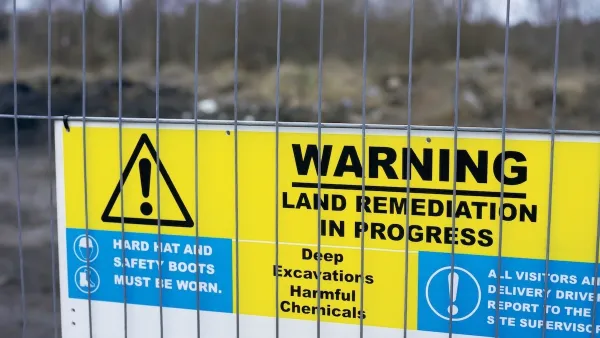
EPA Awards $267 Million to Clean Up and Reuse Contaminated Sites
The EPA is investing the funds to clean up and redevelop contaminated sites nationwide, supporting economic growth, community revitalization, and environmental restoration.

Quantifying Social Infrastructure
New developments have clear rules for ensuring surrounding roads, water, and sewers can handle new users. Why not do the same for community amenities?

Top 10 Tech-Ready Cities
An index ranks U.S. cities based on their preparedness for the ‘smart city future.’
Is This Urbanism?
Chuck Wolfe ponders a recommended subscription list of Substack urbanists and wonders — as have others — about the utility of the "urbanist" moniker.

Reflections on Representation and Legacy in Parks and Public Service
In a personal reflection for Asian American and Pacific Islander Heritage Month, planner Clement Lau explores how cultural identity, public service, and a commitment to equity have shaped his career in parks, community planning, and sustainability.
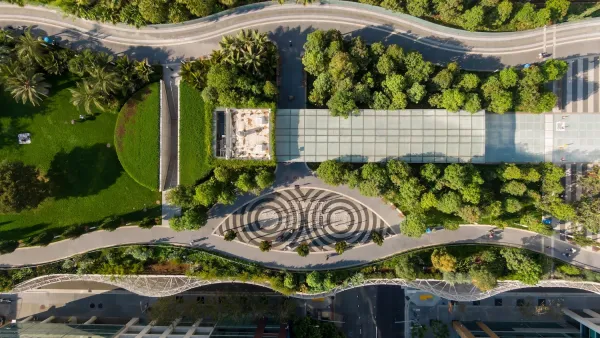
San Francisco Enhances Urban Planning Initiatives with Green Infrastructure
San Francisco incorporates green infrastructure in its city development initiatives, elevating the importance of sustainability in urban planning.
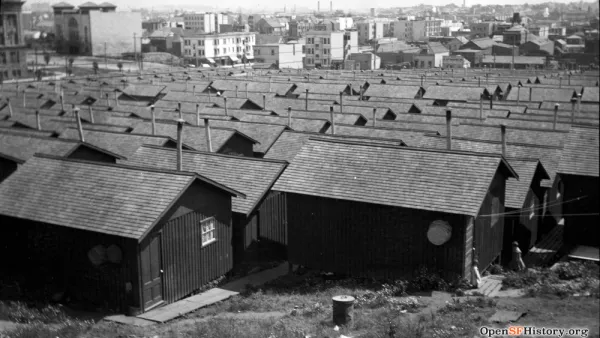
April Must-Reads: Top 10 Articles From Last Month
A key federal housing assistance program is in peril, Maui tries to balance housing affordability with its tourism-based economy, and a landmark Virginia law could set a new standard for road safety.
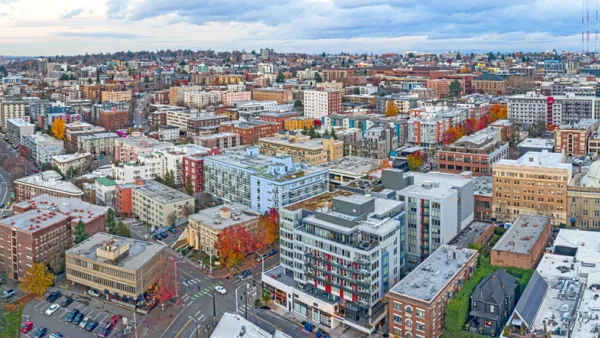
Washington State’s Parking Reform Law Could Unlock ‘Countless’ Acres for New Housing
A law that limits how much parking cities can require for residential amd commercial developments could lead to a construction boom.
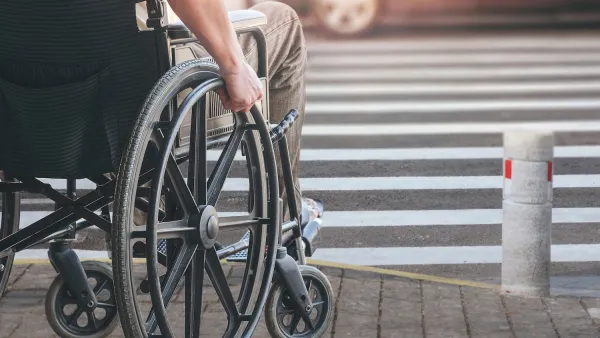
Making Mobility More Inclusive
A new study highlights the challenges people with disabilities continue to face in navigating urban spaces.
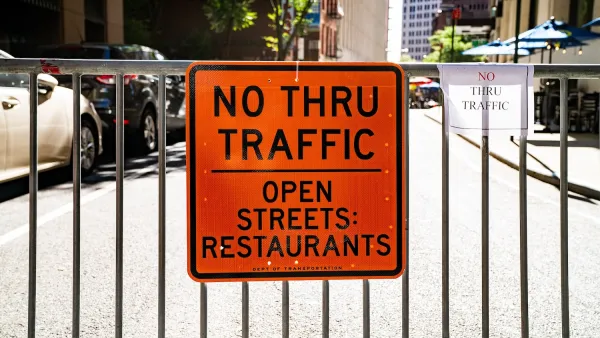
From Throughway to Public Space: Taking Back the American Street
How the Covid-19 pandemic taught us new ways to reclaim city streets from cars.
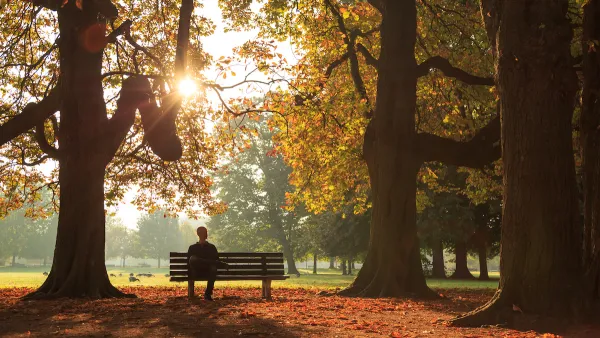
‘Smart Surfaces’ Policy Guide Offers Advice for Building and Maintaining Urban Tree Canopies
Healthy, robust tree canopies can reduce the impacts of extreme heat and improve air quality.

FREE Course: Walkable City 1: Why Walkability?
After describing his path towards focusing on walkability as the essence of good planning, Jeff Speck marches through his five principal reasons for making more walkable places.
Reinventing Malls: Planning Alchemy—Turning Gray Fields Into Gold
The course focuses on the opportunities and imperatives that shape reinvention of mall sites.

City of Rosemead
Rutgers University, Edward J. Bloustein School of Planning and Public Policy
One Hundred Miles
Hunter College, City University of New York (CUNY)
The Architects Foundation
University of Cincinnati Online
City of Cambridge
Montrose County
The Pocatello Development Authority









