Transportation
Death of the Federal Transportation User Fee
The passage of the five-year FAST Act, the first long-term transportation bill since 2005, solidifies the trend that has been in place since 2008, when General Fund transfers to the Highway Trust Fund first began. Such transfers are now the new norm.
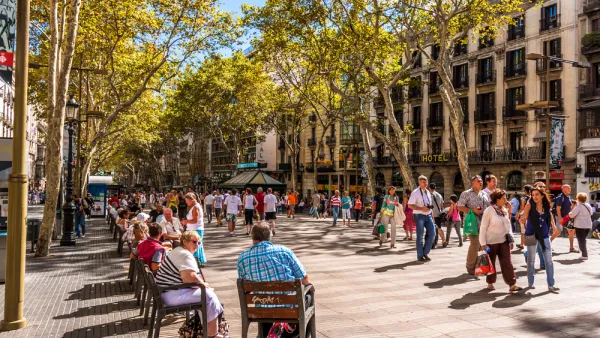
Pro-Walking, or Anti-Car?
The line between being pro-pedestrian versus being anti-car can be hard to distinguish, at times. A new experiment to ban cars from the inner city of Oslo, Norway, however, could reveal more about the distinction.
Public-Private Partnership Anticipated for Amtrak Gateway Program
Similar to high-speed rail projects throughout the nation, Amtrak will be looking to the private sector to help pay a portion of the expected $20 billion tab to build two new tunnels under the Hudson River and expand New York's Penn Station.
Study: Resurgent in the U.S., Bike Ownership Stagnates Worldwide
Of the 7.3 billion people living on the planet, one in every 12 owns a bike. Despite appearances, however, that number has not increased much in recent years.
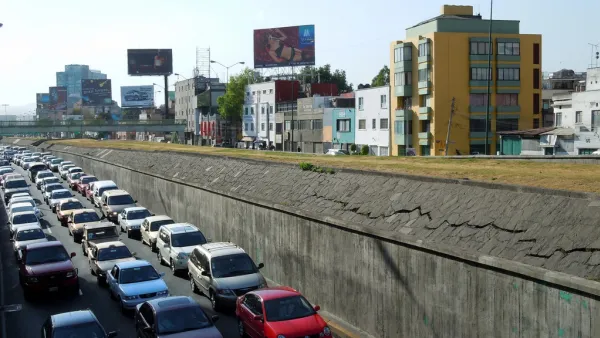
Gondola Monorail Could Ease Mexico City Traffic
Mexico City is considering a novel transit idea: two-person gondolas gliding along an aerial track. The costs of such a system may be far lower than extending the subway system.
Can Jerusalem's Light Rail Pull the City’s Past Into the Future?
Since 2011, the controversial Jerusalem Light Rail system has been a driving force behind the renewal and reintegration of some areas of the old city. In addition, the Jerusalem Business District is being planned as the city's new economic hub.
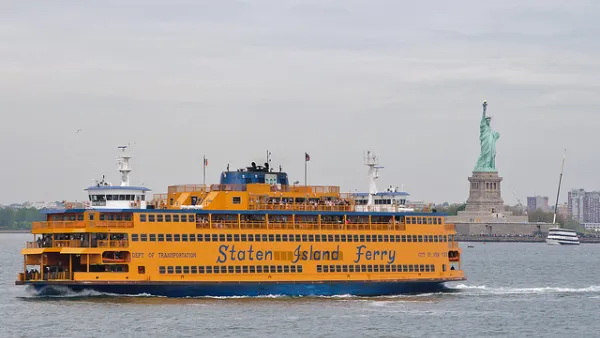
Study to Address Staten Island Transportation Deserts
Residents of Staten Island suffer from very long commutes, and many rely on cars. The New York City Council has proposed a study to determine how additional transit could be implemented in the borough.
World Leaders Shouldn't Underestimate the Climate-Saving Potential of Bicycles
Writing in The Guardian's Bike Blog, Peter Walker has an important message for the 40,000 delegates from 195 nations gathered in Paris for the COP21 talks: Don't discount the carbon-reducing, planet-saving potential of the bicycle.
Portland to Test Stop Thinning to Speed Up Streetcars
Responding to the leading complaint about the Portland Streetcar—that they move too slow to be useful compared to other modes—service will temporarily make fewer stops along routes in the Pearl District and Downtown.
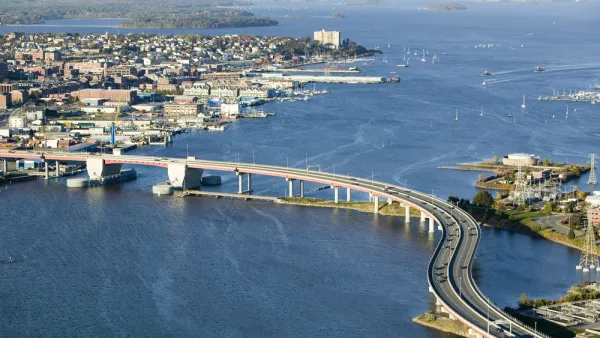
Maine Partnership Connects Transportation Design and Public Health
Planners and public health professionals in Maine are working together to increase opportunities for physical activity and active transportation.
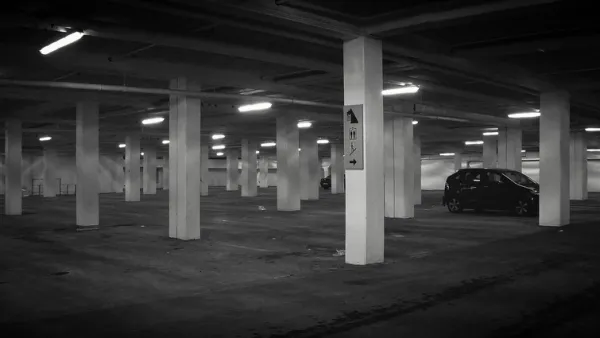
The Citizen Kane of Parking Cartoons
The City of Ottawa (Canada) has produced an animated video to engage the public as it goes about reviewing its minimum parking standards, some of which date back to the 1960s.
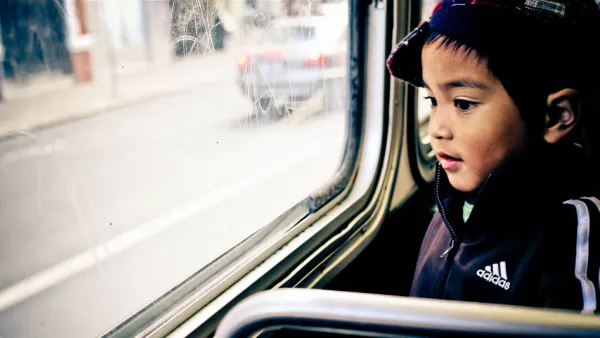
Public Transit May Boost Mental Health
A new study based on an analysis of the residents of Turin, Italy, a city of over 900,000, reveals that walkable access to public transit and urban services benefits mental health, particularly for women and seniors.
25 Years of Rails-To-Trails Success on St. Petersburg's Pinellas Trail
A bike trail can be much more than a bike trail.
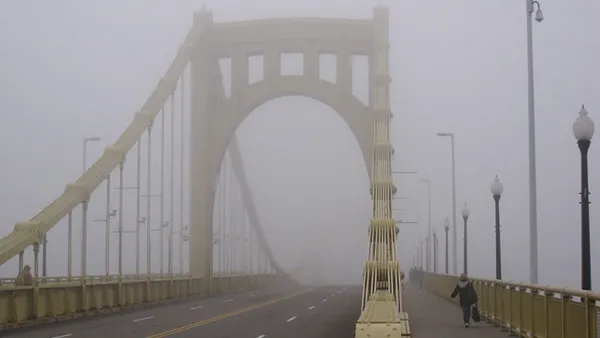
Pittsburgh Launches Complete Streets Planning in Earnest
With a planned pace of ten new miles of bike lanes every year for the next five years, Pittsburgh is already making over many of its thoroughfares in the complete streets model. A formal city policy certainly won't hurt, however.
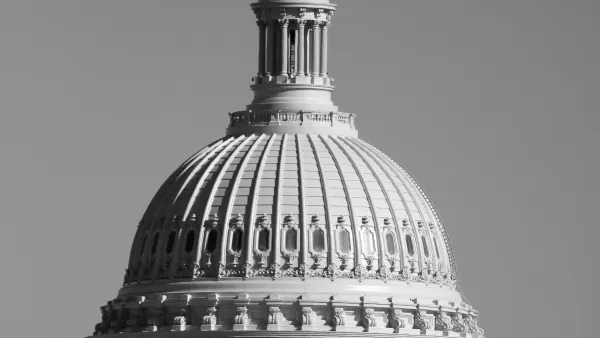
Transportation Reauthorization Now a Done Deal
The plan, now five years rather than six, still needs the sign-offs from both chambers before being sent to the president for his signature on Friday according to POLITICO. Ironically, another extension will be needed to allow a signing ceremony.
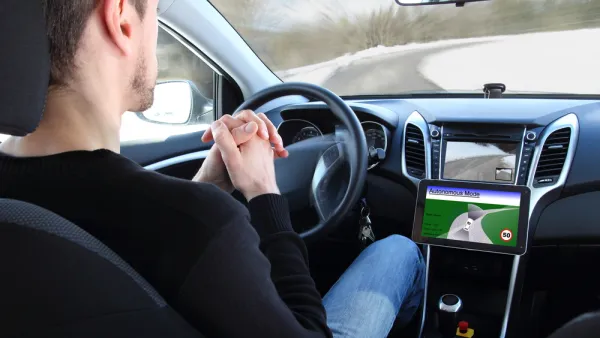
New Research: Planning for Cars That Drive Themselves
Erick Guerra of U Penn guest blogs about his new article in Journal of Planning Education and Research, which explores why regional plans have overlooked the future of autonomous vehicles.
Traffic Fatalities Rising Again—As Does the Blame Game
Traffic fatalities are on pace to reach 35,000 in the United States this year. Some advocates are saying it's time for traffic engineers to stop blaming the victims.
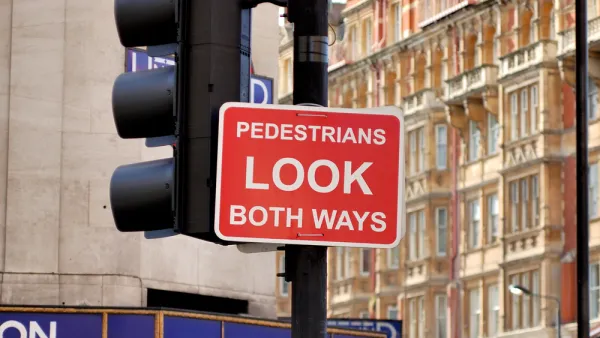
Transportation Planners and Reformers: Rethink Your Terms
Remember the term "transportation alternatives," as in alternatives to motor vehicle transportation? It's not used much anymore, and for good reason. But more modern terms, e.g. road diet, need to be rethought as well, posits Nate Holmes for Medium.
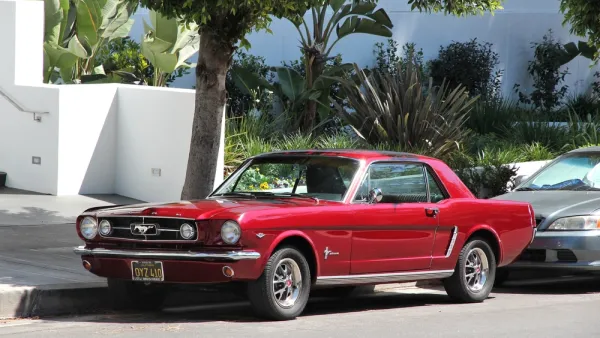
Message from 1965: Cars Are Like Frankenstein's Monster
We've known for some time that it would be difficult to rein in the automobile once the country's obsession had taken hold. Footage from a news special aired in 1965 offers historic perspective.
Bus Rapid Transit Hitting Speed Bumps in the Silicon Valley
A proposed BRT route between Palo Alto and San Jose is the latest to hit a setback.

FREE Course: Walkable City 1: Why Walkability?
After describing his path towards focusing on walkability as the essence of good planning, Jeff Speck marches through his five principal reasons for making more walkable places.
Reinventing Malls: Planning Alchemy—Turning Gray Fields Into Gold
The course focuses on the opportunities and imperatives that shape reinvention of mall sites.

City of Rosemead
Rutgers University, Edward J. Bloustein School of Planning and Public Policy
One Hundred Miles
University of Michigan School for Environment and Sustainability (SEAS)
Hunter College, City University of New York (CUNY)
The Architects Foundation
City of Cambridge
The Pocatello Development Authority
The Urban Renewal Agency of the City of Pocatello









