Technology
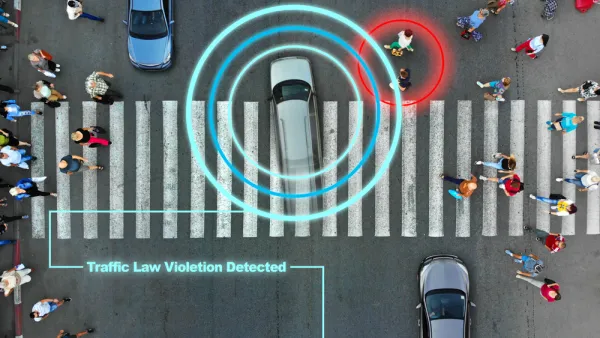
Behind the Allure of the ‘Smart City’
The glamour of digital technology can obscure the hard work of building healthy, sustainable cities.
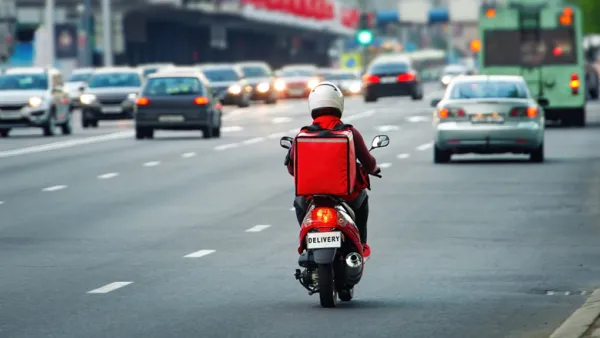
How Micromobility Can Improve Last-Mile Delivery
Facilitating the use of micromobility devices for the last mile of urban deliveries can reduce congestion, lower emissions, and take bigger vehicles off small neighborhood roads.

Energy Department Resumes Loan Program with Hydrogen Storage
The Energy Department's loan office, known for a bad loan to the solar panel startup Solyndra in 2011, will loan $504 million to a company that will use renewable energy to create 'green hydrogen' and store it in salt caverns in Utah.
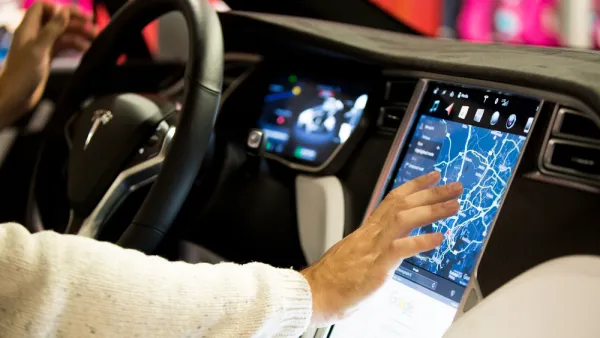
How Safe Are Autonomous Vehicles?
Federal regulators are just starting to gain an understanding of how vehicles with automation systems impact traffic safety.
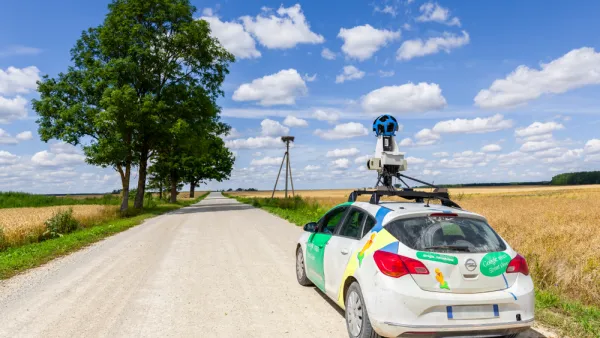
How Digital Mapping Can Reinforce Inequity
Digital mapping tools like Google Street View often obscure the realities of cities and concentrate their resources in the wealthiest countries, effectively ‘erasing’ some places from the global map.

Say Goodbye to the ‘Millennial Lifestyle Subsidy’
The era of cheap, on-demand services is coming to a close as unprofitable startups face the realities of capitalism.
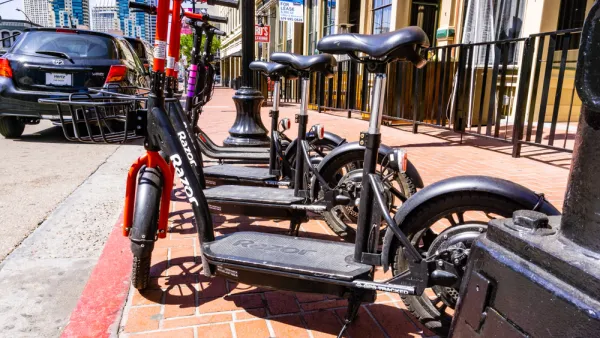
Micromobility Growing in Smaller Cities
Shared mobility services are proliferating in small towns and cities, despite the regulatory hiccups operators have been experiencing in larger markets.
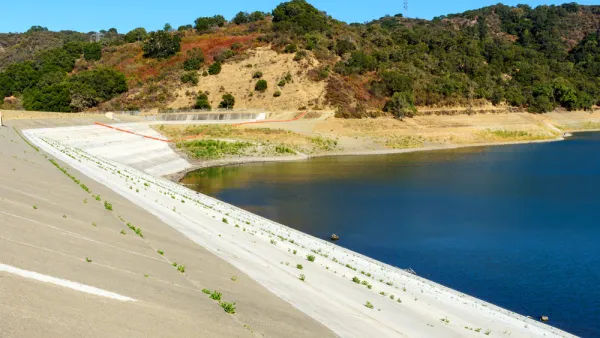
Desalination and Water Recycling Needed to Increase Bay Area Water Supply
In an ongoing drought exacerbated by climate change, the Bay Area needs to look toward two technologies to secure adequate drinking water supply: desalination and wastewater recycling, according to an analysis by the San Francisco Examiner.

Twitter for Planners in 2022
Twitter is changing, not in the way Elon Musk wants it to, but it’s still perhaps the most useful social media platform for planners looking for education and engagement.
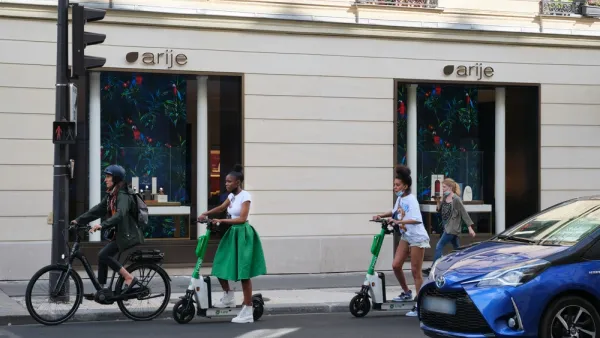
The Electric Scooter Rebound
The nascent electric scooter rental industry came close to total collapse during the pandemic, but riders are back in bigger numbers than ever and the companies hope to build momentum on growing concerns about the climate impacts of transportation.
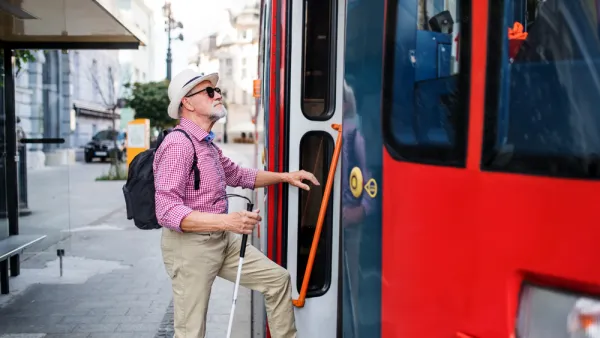
New App Helps People With Visual Impairments Navigate Transit
The Waymap app offers precise instructions to give blind pedestrians more options for safe travel.

El Salvador President Envisions Retro-Futurist ‘Bitcoin City’
In the same week that the cryptocurrency’s value took a nosedive, the president of El Salvador unveiled a model for a volcano-powered ‘smart city.’

California Bill Proposes Automated Noise Pollution Enforcement
If signed by Governor Gavin Newsom, a new bill would use automated sensors and cameras to enforce decibel limits on cars and motorcycles.
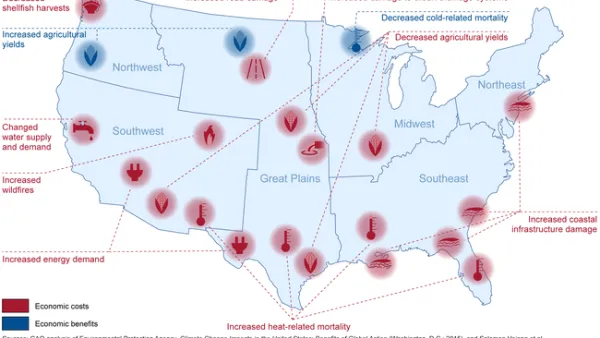
RAISE Proposals Are in; What Will it Mean for Climate Change?
The deadline for the first discretionary program to accept applications since the Infrastructure Investment and Jobs Act was signed into law was April 14, marking the day as one of the most consequential in America’s response to climate change.
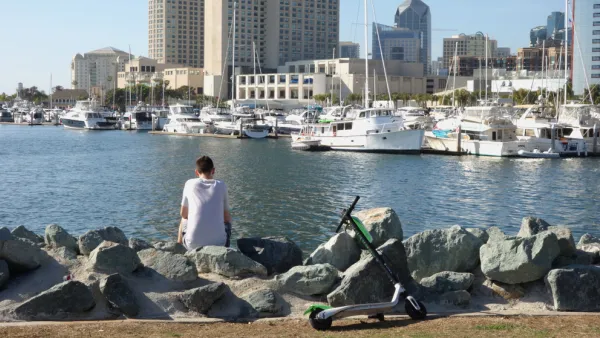
San Diego To Consider Tightening Regulations on E-Scooters
Proposed regulations would limit the popular micromobility devices to two operators, impose new fees, and require more accountability for safe scooter use and parking.
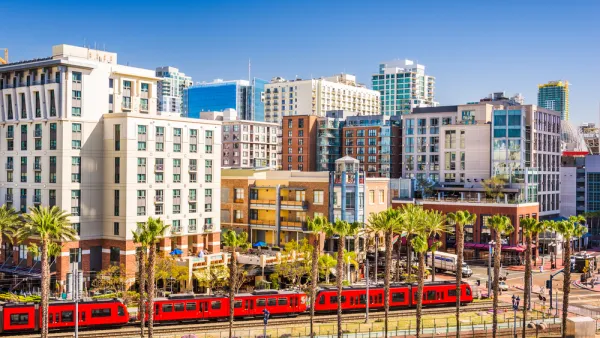
Day Two of the National Planning Conference: Staying on the Cutting Edge
The American Planning Association gathers for its first in-person National Planning Conference since 2019. Planetizen is in attendance. Here is some of what we saw on the second day of the conference.
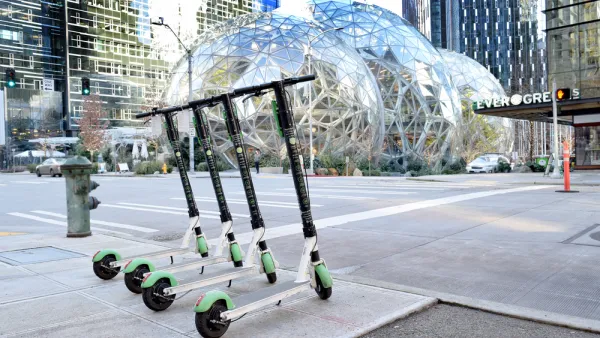
One Year of E-Scooters in Seattle
The city’s shared e-scooter program has proved popular, seeing more than eight times as many rides as its bike share system.
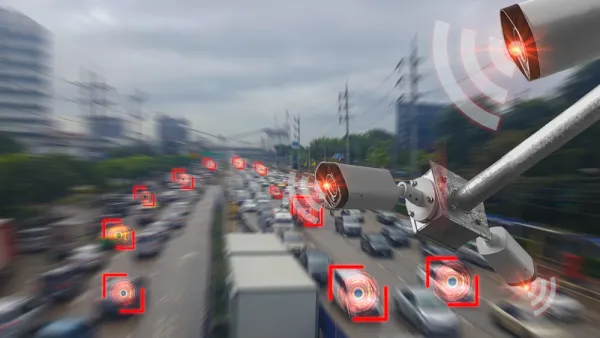
How A.I. Can Promote Vision Zero
Forget self-driving cars—some low-cost artificial intelligence tools can improve traffic safety now.
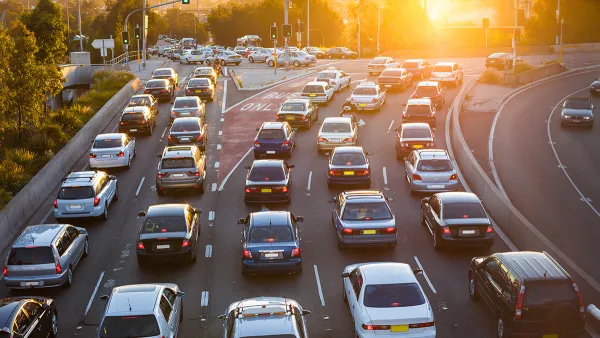
How Planning Fails to Solve Congestion
Solutions for congestion are never as simple and easy as armchair planners and engineers would like you to believe—especially those who suggest that congestion can be solved by forever building more roadway capacity.
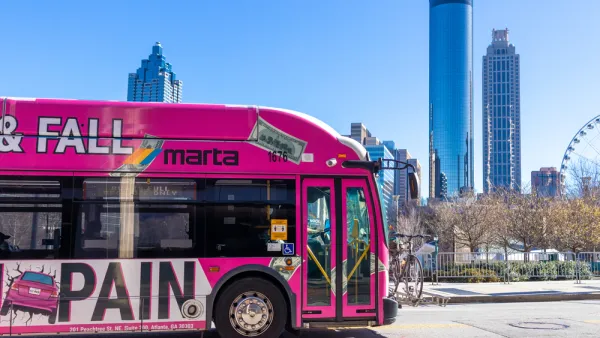
On-Demand Transit Grows in Georgia
From small rural towns to metro Atlanta, Georgia communities are experimenting with on-demand transit to improve connections to existing transit and offer transportation to isolated communities.

FREE Course: Walkable City 1: Why Walkability?
After describing his path towards focusing on walkability as the essence of good planning, Jeff Speck marches through his five principal reasons for making more walkable places.
Reinventing Malls: Planning Alchemy—Turning Gray Fields Into Gold
The course focuses on the opportunities and imperatives that shape reinvention of mall sites.

Eagle County Government
Harvard University Graduate School of Design
Nashville Planning Department
The Architects Foundation
University of Cincinnati Online
The Pocatello Development Authority
The Urban Renewal Agency of the City of Pocatello
Journal of the American Planning Association