Vision Zero
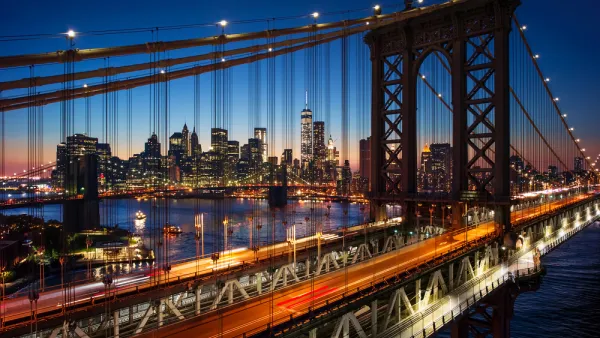
New York Launches Campaign to Warn Drivers and Pedestrian About Darkness
In an effort to curb traffic accidents, which typically increase with longer nights, New York is launching a 'dusk and darkness' ad campaign.
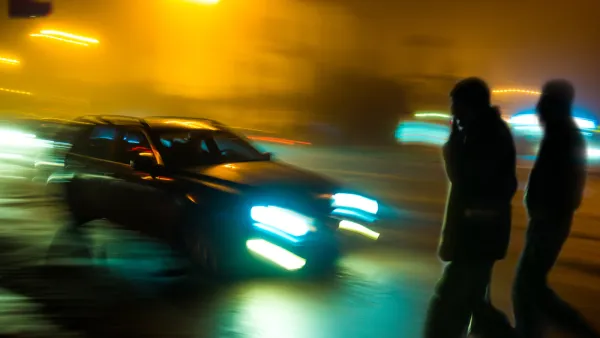
Pedestrian Shaming Is the Wrong Way to Vision Zero
It seems like pedestrian safety campaigns that focus on the errors and guilt of pedestrians miss the point. Shaming pedestrians will not keep them safe, but safer streets will.
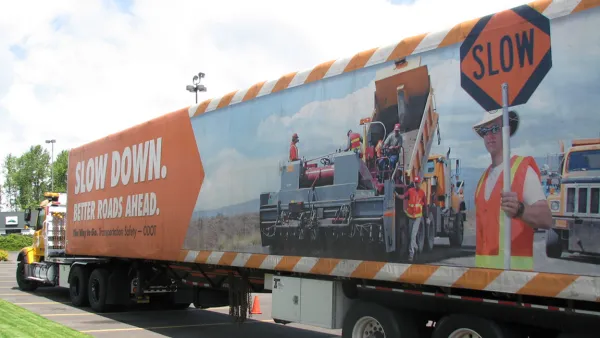
Traffic Safety Solution: Design, Not Enforcement
Alon Levy argues that the best path to traffic safety is through design rather than traffic law enforcement.
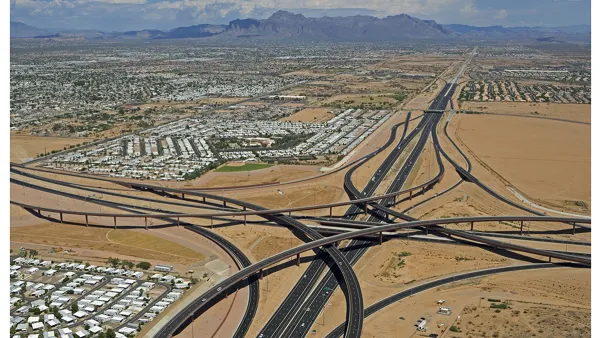
U.S. DOT Adopts Vision Zero
"With this campaign, we’re making clear that zero is the only acceptable number of deaths on our roads."
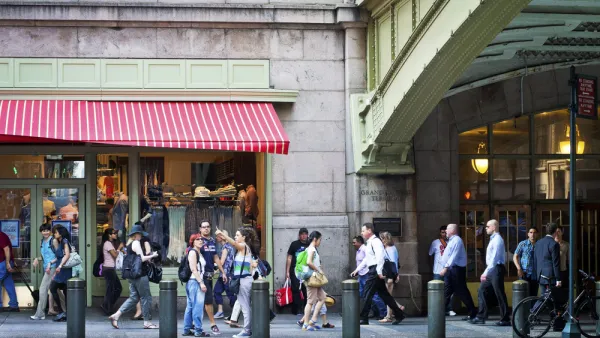
Bill Introduced to Relieve Congestion—on Sidewalks
New York City has come a long way since the Giuliani days, when sidewalk barriers were placed at intersections to facilitate turning vehicles, thus prohibiting pedestrians from crossing the street.
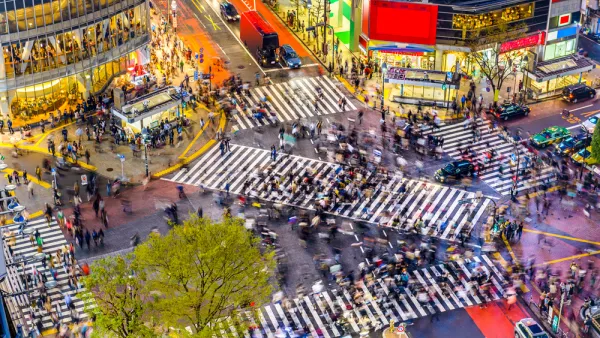
Engineers Scramble for Pedestrian Safety in Los Angeles and Santa Monica
A "good news" story for pedestrians emerges from the streets of Los Angeles and Santa Monica. Traffic signals at heavily used pedestrian intersections have been reengineered to add a 'scramble phase' and the results are startling.
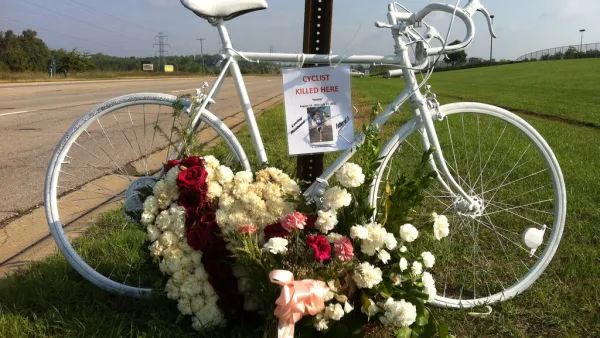
Commercial Vehicles Are No Match for Bike Safety
All six bicyclists killed in Chicago this year had something in common: commercial vehicles. Still missing from the discussion: what to do about it.
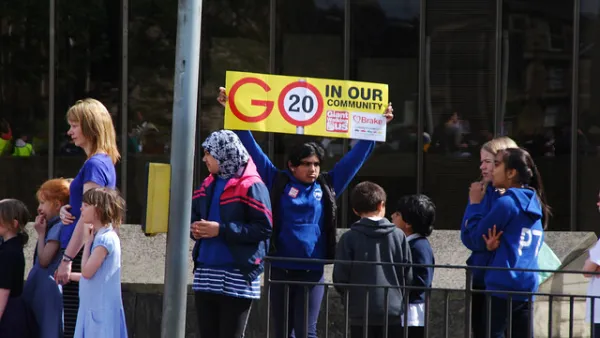
Sweeping Speed Limit Reductions Proposed for Seattle's Streets
Two Seattle councilmembers are proposing a large, necessary step toward slowing drivers enough to eliminate traffic deaths in the city.
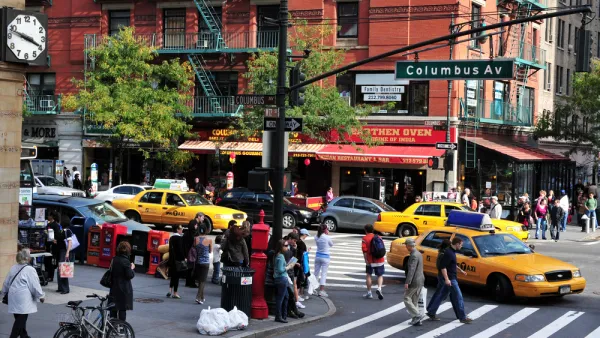
Questioning the de Blasio Administration's Commitment to Vision Zero
Results showing progress in the fight to end traffic fatalities have disappeared, just like some of the safety projects installed under the banner of Vision Zero.
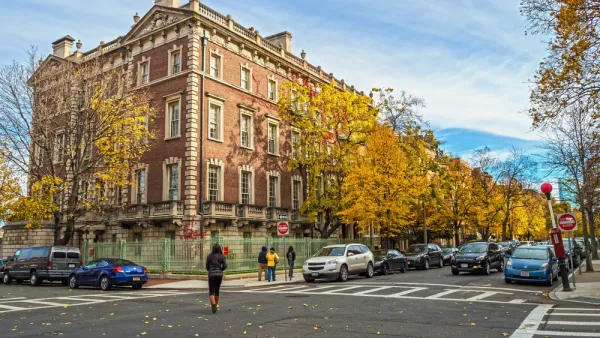
Boston Sets a Citywide Default Speed Limit of 25 MPH
Finally by the state of Massachusetts to set its own speed limits, Boston moved quickly to reduce to reduce its default speed limit to 25 mph.
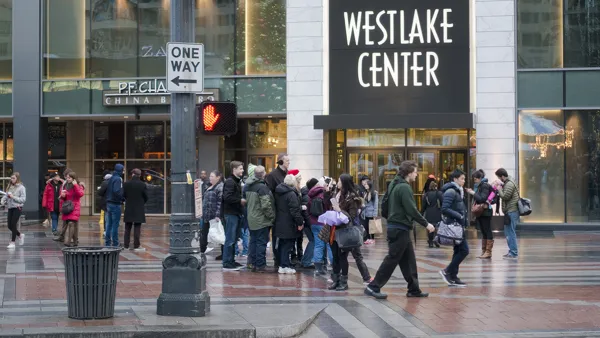
Critiquing the Implementation of Seattle's Pedestrian Master Plan
A status update of the Seattle Pedestrian Master Plan leaves a writer wondering if the backlog of pedestrian infrastructure maintenance will grow while only a few planned projects get built.
Safe Streets for Whom?
An equity strategist offers advice on creating safe streets programs that address systemic racism.
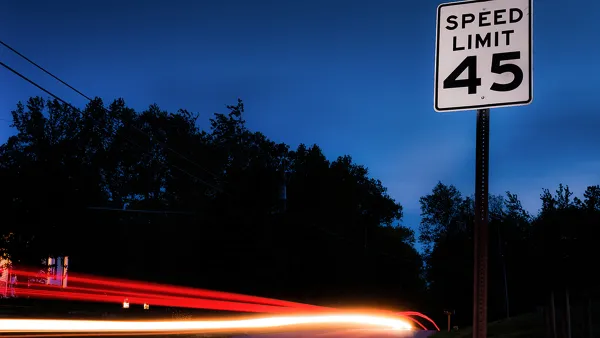
Changing This Law Could Reduce Traffic Deaths
In California and much of the rest of the country, says Andrew Said, the laws governing speed limits and enforcement are dangerously outdated, especially where pedestrians and cyclists are concerned. What could we change?
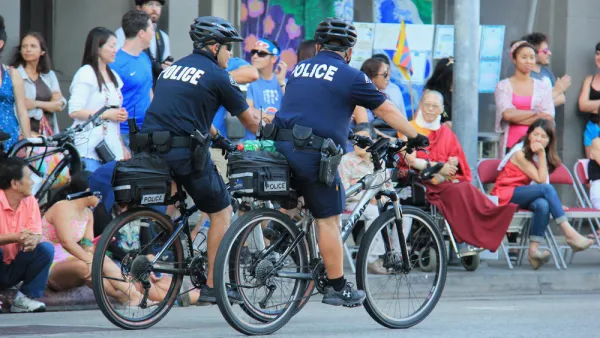
Judge Throws Out Key Component of New York's Vision Zero Policy
Citing drivers for failure to "exercise due care" (administrative code 19-190) is a key enforcement tool of Mayor Bill de Blasio's Vision Zero policy, but a judge just threw it out.
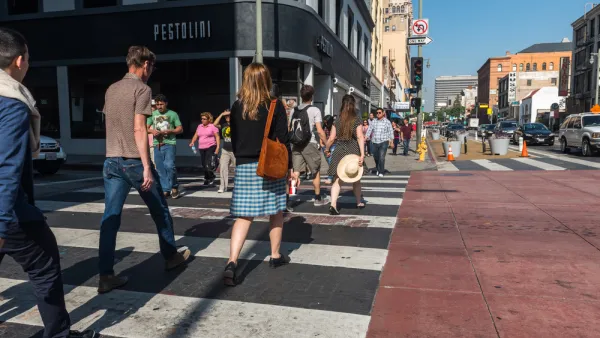
Artist to Help Los Angeles Meet Vision Zero Goal
LADOT’s first artist-in-residence will engage the city’s many subcultures, and its lively art scene, in his effort to improve pedestrian safety.
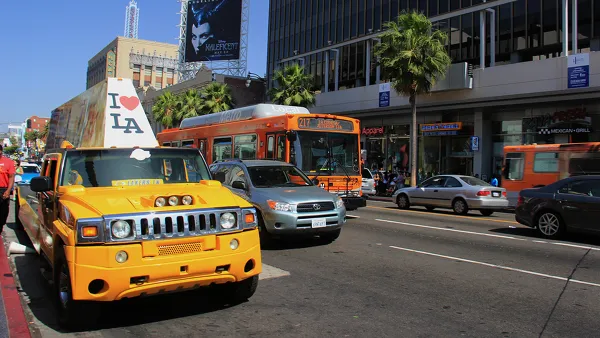
An Interview with the General Manager of the Los Angeles DOT
What's it like to lead the department of transportation in a city trying to overcome decades of car-centric planning? Let LADOT General Manager Seleta Reynolds tell it in her own words.
New York City Mayor Overrides Community Board on 'Boulevard of Death' Bike Lane
After the local community board removed a protected bike lane from its plans for the redesign of Queens Boulevard, Mayor Bill de Blasio restored it, under the premise of saving lives.

Op-Ed: Prohibit Right Turns on Red Lights
A writer suggests an end for one of the many conveniences available to drivers: the right turn on a red light.
How San Antonio Is Working Toward Vision Zero
A post on the Rivard Report details the efforts underway in San Antonio, Texas, to reduce traffic fatalities.
It's not Zero, But Traffic Deaths Decreased Last Year in New York City
Traffic deaths dropped by 27 in 2015 to 230, a reduction of over 10 percent from 2014. Pedestrian deaths decreased only slightly. Bicyclists fared better: deaths dropped by 30 percent.

FREE Course: Walkable City 1: Why Walkability?
After describing his path towards focusing on walkability as the essence of good planning, Jeff Speck marches through his five principal reasons for making more walkable places.
Reinventing Malls: Planning Alchemy—Turning Gray Fields Into Gold
The course focuses on the opportunities and imperatives that shape reinvention of mall sites.

City of Rosemead
Rutgers University, Edward J. Bloustein School of Planning and Public Policy
One Hundred Miles
Hunter College, City University of New York (CUNY)
The Architects Foundation
University of Cincinnati Online
City of Cambridge
Montrose County
The Pocatello Development Authority









