Finally by the state of Massachusetts to set its own speed limits, Boston moved quickly to reduce to reduce its default speed limit to 25 mph.


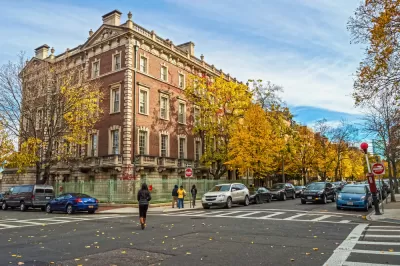
"Mayor Marty Walsh said Thursday he will work with city lawmakers and officials to lower the default speed limit in Boston to 25 mph," reports Dialynn Dwyer.
"Walsh’s announcement follows the approval of state legislation that gives municipalities the authority to lower default speed limits," according to Dwyer. The announcement also follows a decision by the city in April to lower the speed limit of some city streets to 20 mph. That decision, however, required approval of the State Legislature.
Mayor Walsh announced the new speed limits as a component of the city's Vision Zero target to eliminate traffic fatalities by the year 2030.
Hat tip to the Strong Towns Facebook page for the share.
Read the full story: Boston will lower city speed limit to 25 mph

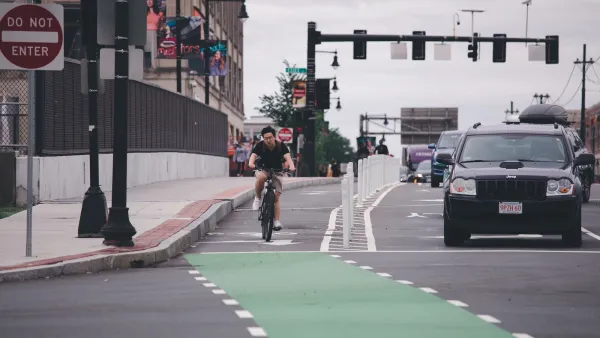
Boston budget proposal kills funding for dozens of road safety projects
Mayor Wu's FY2027 budget eliminates or reduces funding for multiple unbuilt street safety projects.
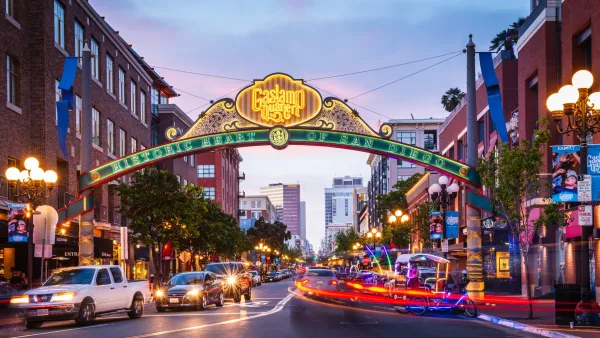
San Diego to Lower Speed Limits on 20% of its Streets
The city council approved reduced speed limits on streets designated as high-risk corridors, school zones, and other areas as part of its Vision Zero strategy.
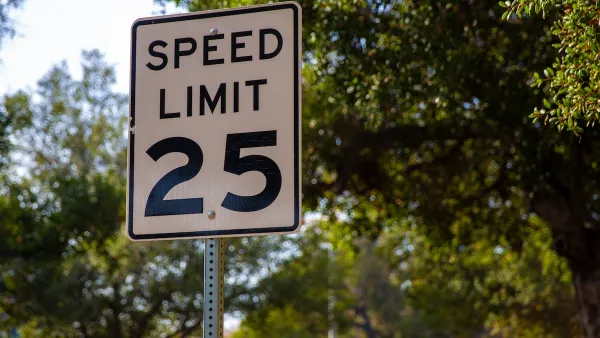
San Diego to Lower Speed Limits on 11 Streets
A 2022 state law allows cities to reduce speed limits for safety reasons rather than relying on average traffic speeds to dictate speed limits.

Planetizen Federal Action Tracker
A weekly monitor of how Trump’s orders and actions are impacting planners and planning in America.

Amtrak, CN end decades-long dispute with eight-year agreement
The new operating agreement establishes an updated framework for the companies to work together, including processes to resolve disputes.

Northwest rail fans eager for Sept. 30 debut of Amtrak’s Airo fleet
Get ready for that new train smell and more seats. But they won’t go faster or run more frequently on the Cascades route in Washington and Oregon.

LAX SkyLink opening delayed again, contractor won’t commit to new deadline
The project was supposed to open its doors to the public in 2023.

Caltrain may slash over one-third of its stations
If Bay Area voters reject two transit tax measures, Caltrain, BART and AC Transit will see steep service cuts.

A 'dangerous' precedent: North Carolina successfully pressures communities into voting for toll roads
Two mayors resigned from the Charlotte Regional Transportation Planning Organization after it voted in favor of the toll roads.

FREE Course: Walkable City 1: Why Walkability?
After describing his path towards focusing on walkability as the essence of good planning, Jeff Speck marches through his five principal reasons for making more walkable places.
Reinventing Malls: Planning Alchemy—Turning Gray Fields Into Gold
The course focuses on the opportunities and imperatives that shape reinvention of mall sites.

City of Thousand Oaks
City of Wisconsin Rapids
Harvard University Graduate School of Design
The Architects Foundation
University of Cincinnati Online
The Pocatello Development Authority
The Urban Renewal Agency of the City of Pocatello