Seattle
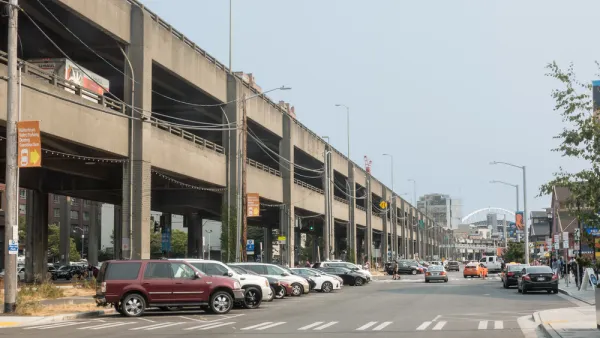
Dealing With the 'Seattle Squeeze'
Sections of the Alaskan Way Viaduct will begin closing on January 4, 2019. The city's new tunnel to replace the route doesn't open until February.
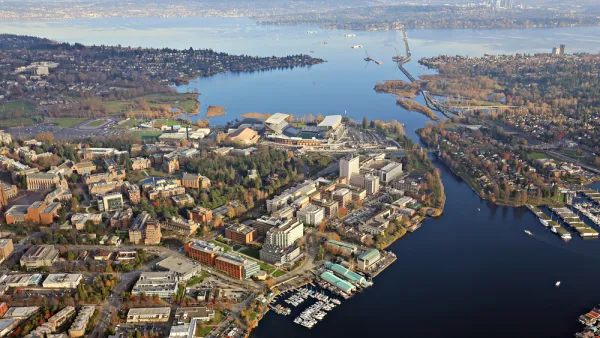
University of Washington Gets Approval for Major Expansion
With several stipulations, Seattle City Council has signed off on the university's plans for up to 6 million square feet of new construction, including high-rises.
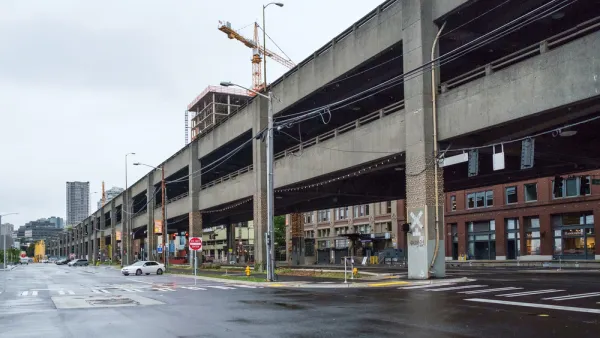
Seattle Scrambles to Handle Upcoming Traffic 'Squeeze'
Dubbed the "Seattle Squeeze," heavier traffic is expected in the new year as the Alaskan Way Viaduct closes and downtown construction projects continue. While the city prepares, activists want to use the opportunity to encourage other modes.
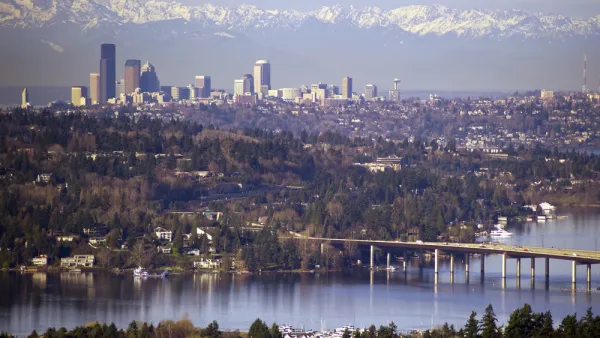
Super Commuters Increasing in Seattle
More and more people are driving farther and farther to get to work in the Seattle region.
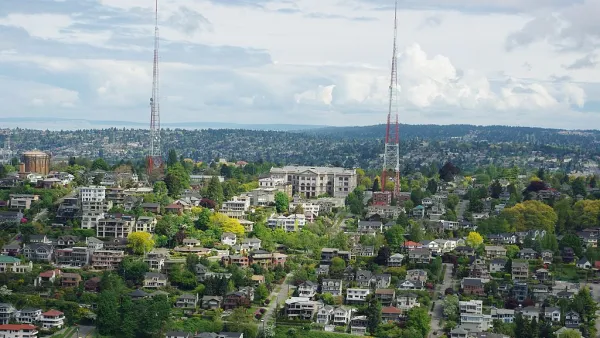
Seattle Needs More Housing Diversity and Less Single-Family Zoning
The city should look back to its past for lessons about creating more livable, affordable, and equitable neighborhoods, says a new report.
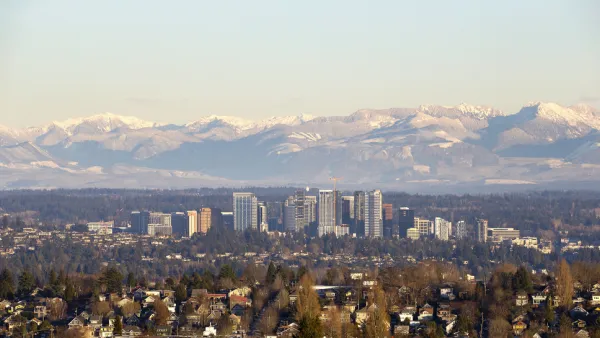
Mapping the Pacific Northwest's Changing Population
The Oregonian has published a new interactive mapping feature that allows users to map demographic changes to the Census tract level through Oregon and Washington.
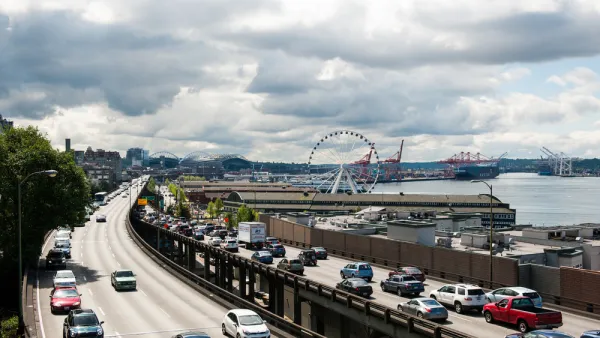
Friday Eye Candy: Painting to Memorialize Seattle's Alaskan Way Viaduct
Finding beauty, and questions, in the concrete.
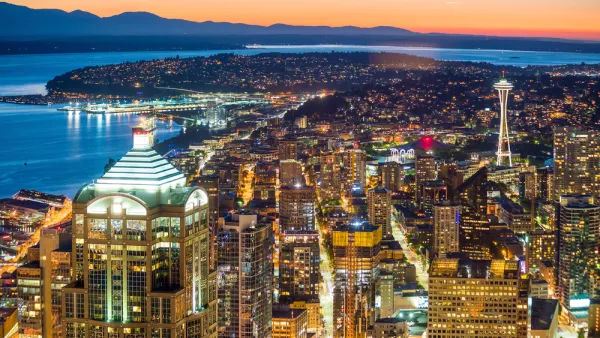
Judge Upholds Seattle's Housing Affordability and Livability Agenda, Clears the Way for Upzoning
Since a city judge determined the legality of the long controversial Housing Affordability and Livability Agenda, Seattle has been able to move forward with the plan to allow new density around the city.
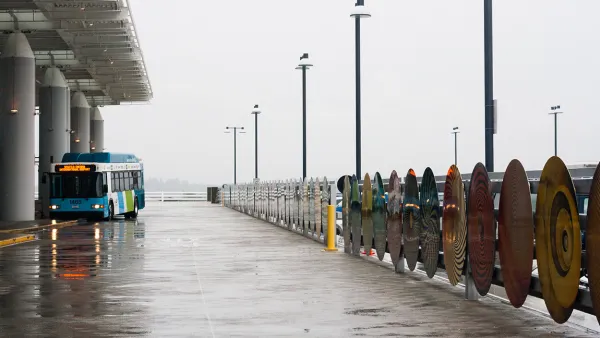
Substantial Changes for Move Seattle Plan
The reality of the Move Seattle is proving to be much less robust than the vision promised to voters who approved the $930 million levy in 2015.
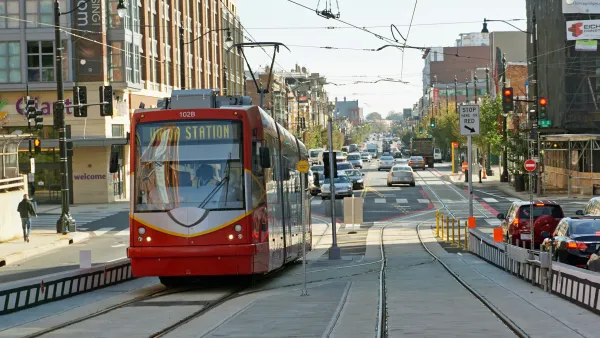
Study Casts Doubt on Streetcars' Ability to Spur Development
Examining Portland and Seattle's much-talked-about systems, the authors highlight the importance of treating streetcars as a viable transport option, rather than just a means to stimulate development.
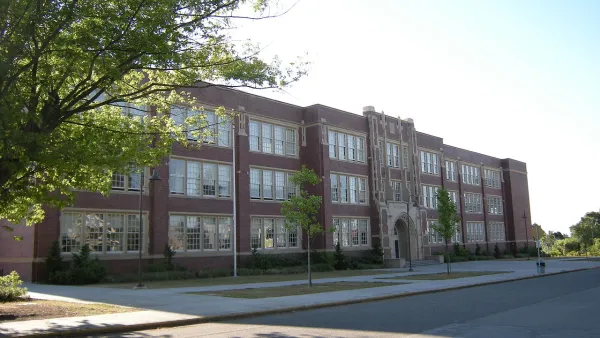
Neighborhood and School Integration Don't Always Go Hand in Hand, Study Finds
In cities across the U.S., the relationship between residential and school segregation isn’t always clear.
Big Wins for Urbanism in Cascadia
"Yes we actually did that."

Op-Ed: Seattle Should Do More About Crime in Business Districts
To combat a rash of incivility and outright criminal acts, three Business Improvement Area directors argue that Seattle needs to commit more law enforcement resources to business districts.
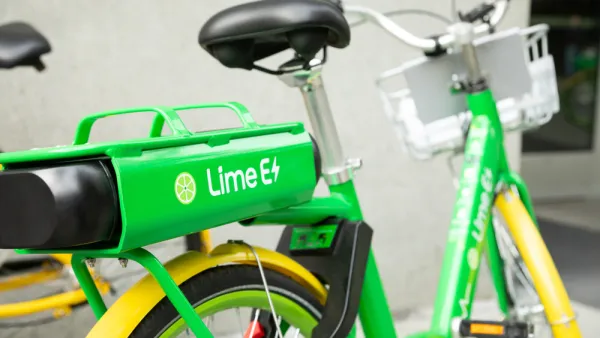
Lime Jumping Into the Car Sharing Business
Liume, which formerly rented bikes and electric scooters, plans to have 1,500 cars to rent on the streets of Seattle early in 2019.
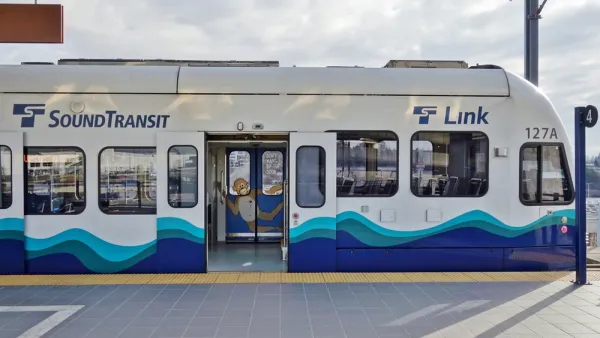
Sound Transit's Lynwood Link Gets the Federal Funding it Was Waiting For
A great sigh of relief from transit planners in the Pacific Northwest (and probably the rest of the country as well).
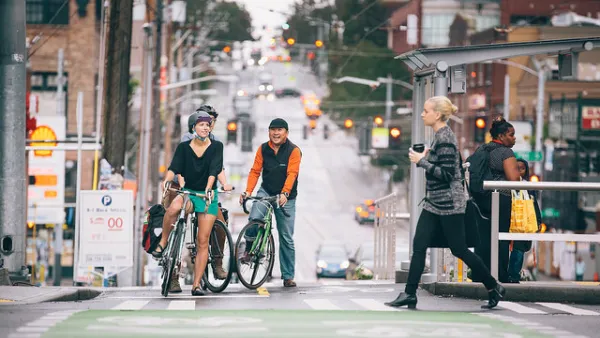
Op-Ed: Change the Bike Planning Calculus to Include Women's Safety
The gender gap in walking and biking is deep and wide in Seattle. Here's a call to action.
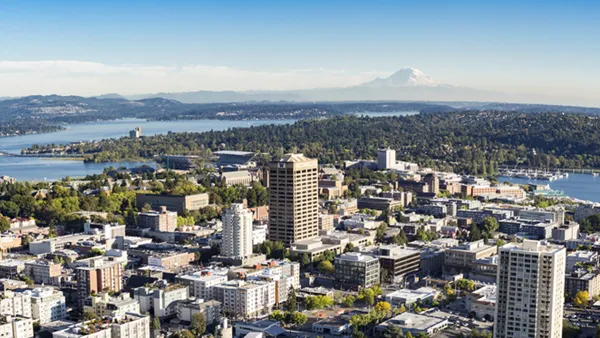
Seattle Freeway Lid Idea Moves Forward
A campaign to lid Interstate 5 is gaining steam. Proponents are envisioning central Seattle before the freeway ran through it.
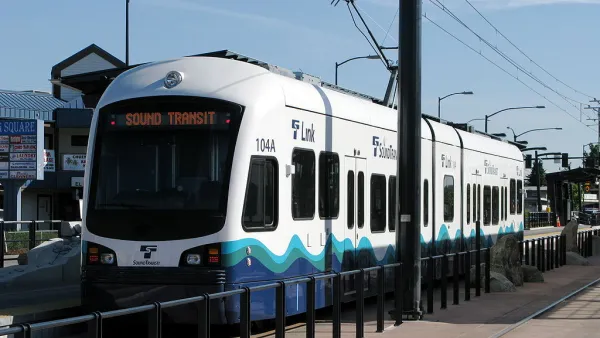
Mobility Plan Outlines Street Design Changes Around New Seattle Light Rail Station
The plan proposes both immediate and longer-term improvements for the area, including development of a pedestrian mall.
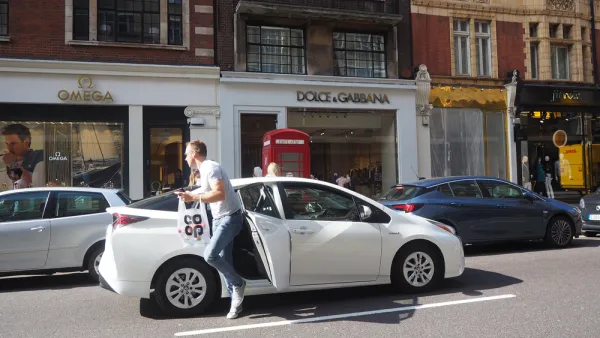
Uber and Lyft Reveal Seattle-Area Trip Data
After a court battle, the two big transportation network companies finally released trip data, revealing rapid growth and a concentration of rides in the city's most congested areas.
A History of State-Mandated Upzonings in the Pacific Northwest
Past examples of state and provincial governments preempting the land use authority of local governments present several lessons on how to do state-mandated upzoning effectively.

FREE Course: Walkable City 1: Why Walkability?
After describing his path towards focusing on walkability as the essence of good planning, Jeff Speck marches through his five principal reasons for making more walkable places.
Reinventing Malls: Planning Alchemy—Turning Gray Fields Into Gold
The course focuses on the opportunities and imperatives that shape reinvention of mall sites.

Harvard University Graduate School of Design
KFH Group Inc.
Greater Baltimore Committee
The Architects Foundation
University of Cincinnati Online
The Pocatello Development Authority
The Urban Renewal Agency of the City of Pocatello