Liume, which formerly rented bikes and electric scooters, plans to have 1,500 cars to rent on the streets of Seattle early in 2019.


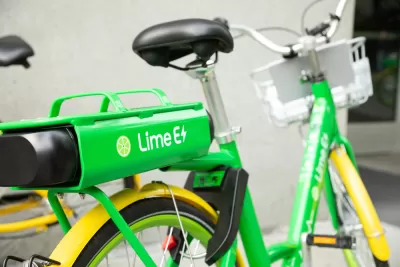
Joshua Brustein reports:
Lime is launching a car-sharing service in Seattle this week, starting with the placement of 50 vehicles on city streets. The company plans to add more cars weekly until it gets to 500 by the end of the year. By early 2019, Lime says it aims to have 1,500 cars in Seattle, which would make it the single largest free-floating car-sharing program in a U.S. city.
The new service is called LimePod, and it reverses a narrative that has emerged in recent months of "ride sharing" companies getting into the active transportation business. Here we have an active transportation company getting into the car sharing business.
"Users will be able to use its app to find cars, then unlock them for $1 and pay 40 cents per minute to drive around the city," adds Brustein.
Read the full story: Lime Wants to Spread 1,500 Shared Cars Around Seattle
Ten Actions For Cities In Response To Gulf Spill
Grist's Jonathan Hiskes spoke with smart growth leaders to devise strategies that municipalities, as opposed to U.S. government, can take to lessen oil dependency - that are financially sustainable, not overly dependent on technology, and ready to go
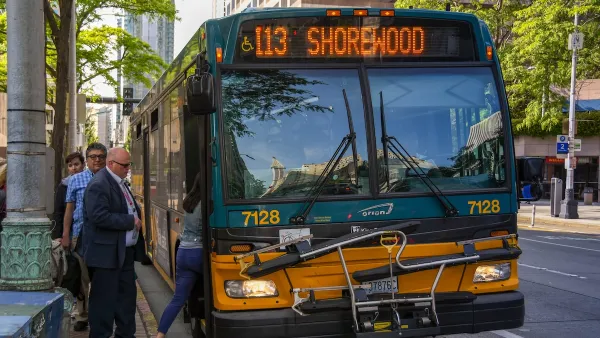
275,000 bus trips are at stake on Seattle's ballot
If passed, the Seattle Transit Measure would trigger a 0.3% sales tax and raise an average of $138 million per year to maintain and expand Seattle’s bus services.
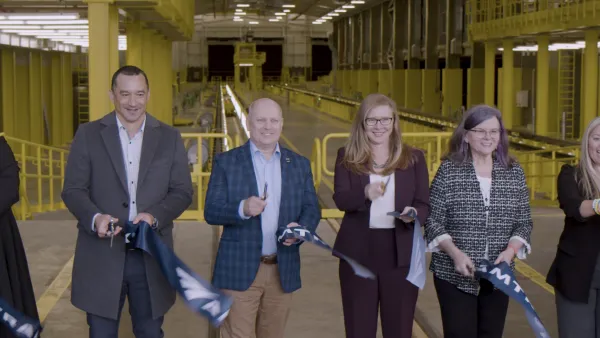
Amtrak cuts ribbon on Seattle Airo maintenance facility
The $250 million, nearly 100,000-square-foot building can house an entire Cascades Airo trainset.

Planetizen Federal Action Tracker
A weekly monitor of how Trump’s orders and actions are impacting planners and planning in America.

California plans to bury El Niño’s downpour
If the state plays its cards right, it may be able to store a billion acre-feet of El Niño’s water in aquifers.

Desperate measures: Advocates weigh draining Lake Powell to fill Colorado River
Draining the reservoir could reduce evaporation losses by a couple hundred thousand acre-feet.

In Texas, data centers are swallowing promised parkland
Residents who moved to Taylor, Texas for a rural community now have to contend with three data centers in their backyard.

How a Chicago-sized wind farm beat the odds and powered on
The project spanned five presidential administrations and a standoff with a U.S. military base.

MTA gives itself 30 days to transform pit into basketball court
The site has been under construction since 2022; the city originally estimated it would finish the court in 2024.

FREE Course: Walkable City 1: Why Walkability?
After describing his path towards focusing on walkability as the essence of good planning, Jeff Speck marches through his five principal reasons for making more walkable places.
Reinventing Malls: Planning Alchemy—Turning Gray Fields Into Gold
The course focuses on the opportunities and imperatives that shape reinvention of mall sites.

City of Rosemead
Rutgers University, Edward J. Bloustein School of Planning and Public Policy
One Hundred Miles
Hunter College, City University of New York (CUNY)
The Architects Foundation
University of Cincinnati Online
City of Cambridge
Montrose County
The Pocatello Development Authority