Public Health
High-Voltage Power Lines Awaken the German NIMBY
Never mind that the lines are needed to carry renewable energy from wind turbines in the north to industries in the south to meet the nation's formidable carbon reduction policies. Public health and property values come first for some neighbors.
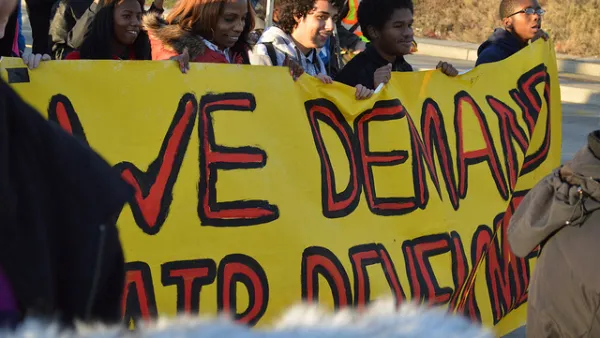
Dumping in Dixie and the Inequity of Place
Only by better addressing issues of inequity can we create truly sustainable and livable communities. But is that even possible today?
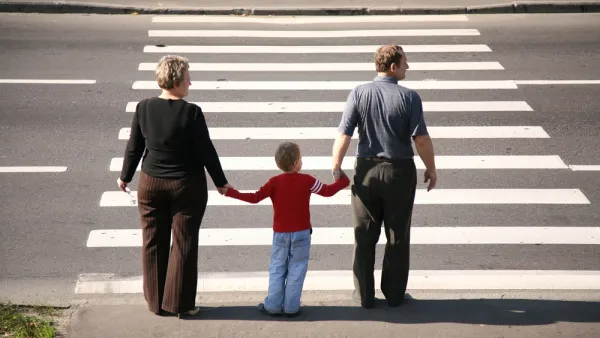
Study: Walkable Neighborhoods Lower Risk of Cognitive Decline in Older Adults
Researchers continue to verify the health benefits of walkable neighborhoods. Most recently researchers at Kansas University found benefits that communities can use to ensure the quality of life of aging residents.
Toronto to Narrow its Traffic Lanes
Toronto will begin rolling out a program to narrow traffic lanes on the city's streets. The new lane policy, recently completed, was in the works for the past year.

For Playable Cities: Make the City a Playground
The "Using Behavioral Economics to Create Playable Cities" report suggests that so much time spent in front of screens, and the continued need to counter the obesity epidemic, requires new thinking about play for children living in cities.
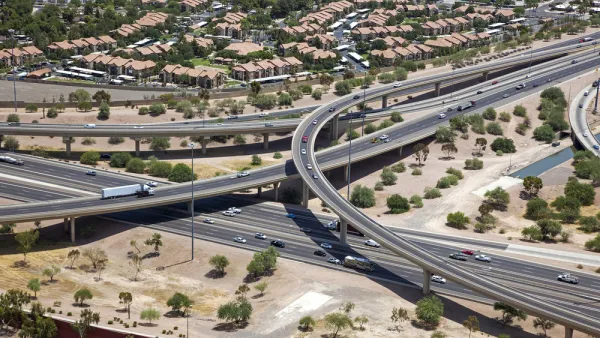
Research: Women Living Near Freeways Increase Risk of Sudden Cardiac Death
New research from the American Heart Association measures sudden cardiac death and proximity to major roadways, showing that cardiac risks posed by environmental exposure have been under-appreciated. The next step is to find the specific cause.
Fracking Wastewater Dumped into Protected California Aquifers
According to the Center for Biological Diversity, toxic wastewater from oil industry fracking operations has been illegally injected into Central Valley disposal sites, posing a threat to water supplies of nearby residents.
'RiverFit': A Pop-Up Fitness Park in Memphis
Hoping to combat the city's dismal rankings in obesity, public and private partners launched the RiverFit pop-up fitness park along the Mississippi River in September.
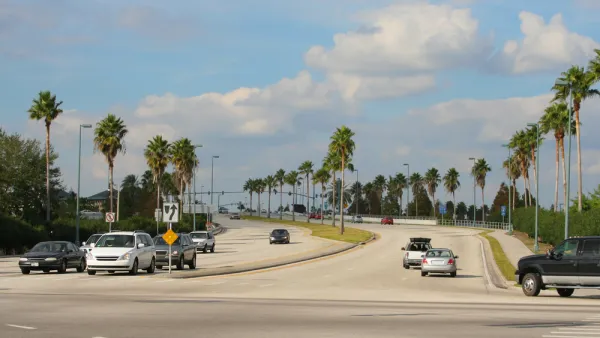
Traffic Safety Silver Bullet: Prohibit the 12-Foot Traffic Lane
Jeff Speck, author of Walkable City, argues that reducing the width of traffic lanes would be a panacea for the disastrous public health outcomes of traffic safety.
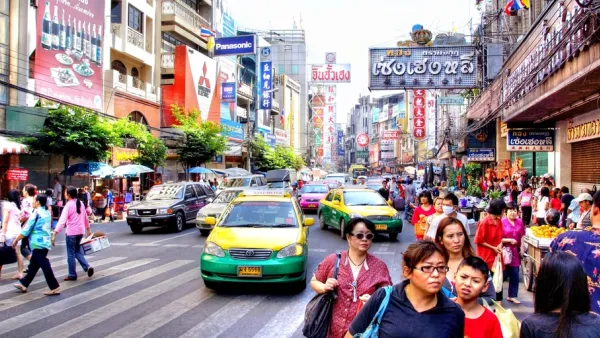
Bloomberg Donates $125 Million for Urban Transportation
In his second global transportation donation meant to reduce death and injury from transportation, the former NYC mayor will take a decidedly urban focus by directing his foundation to select ten cities to receive $125 million, he announced Monday.
Study: Residents Living Near Fracking Suffer Negative Health Impacts
Self-reported respiratory problems and skin irritations were significantly greater for those living near natural gas fracking wells in southwestern Pennsylvania than those living more than two kilometers away, according to a Yale University survey.
Mayor de Blasio Claims Early Pedestrian Safety Success for Vision Zero
Is it too soon for New York City Mayor Bill de Blasio to tout the success of Vision Zero?
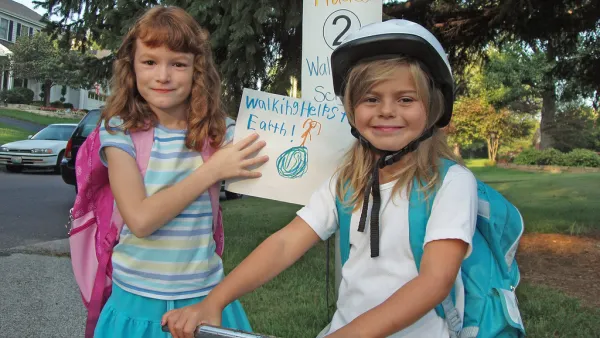
Green Health Tools for 'Back to School'
Nisha Botchwey and Kirsten Cook detail the articles available on the subject of green health and schools in the Summer 2014 issue of the Journal of Planning Education. (Articles mentioned in this post have Open Access through September.)
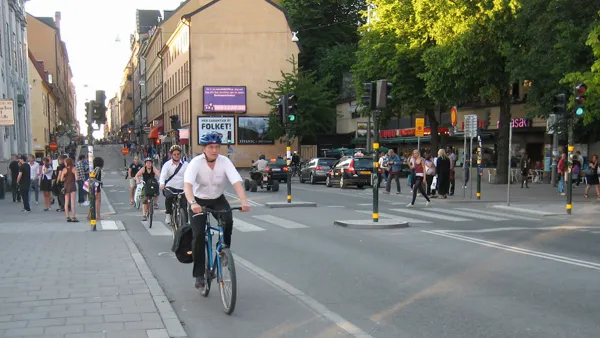
Increased Street Connectivity Improves Public Health Outcomes
A new study, "Community Design, Street Networks, and Public Health" published in the Journal of Transport & Health finds that increased local street connectivity improves public health outcomes, apparently by encouraging more walking and cycling.
The Mapping Tool that Helped Identify the Ebola Outbreak
An online mapping tool called HealthMap helped identify the recent outbreak of the Ebola virus in West Africa by pulling data from all over the big data spectrum. It can also tell provide insight into the health concerns in your area.

Sexier Stairs for Sexier Bodies, in New York City
A massive ad campaign by the New York City Department of Health and Mental Health is encouraging people to take the stairs for their health and the environment.
Pedestrian Safety Suffers in Low-Income Areas
Focusing on street safety conditions in Miami as a case study of larger findings, a Governing magazine analysis finds that pedestrians are much more likely to be killed by cars in impoverished neighborhoods.
'National Stop on Red Week'
The National Coalition for Safer Roads "is partnering with organizations and communities across the country to raise awareness about the dangers of red-light running during National Stop on Red Week."
Profiles of New Yorkers Killed by Car Collisions
A new feature on Transportation Nation will highlight the tragedy of traffic fatalities in New York City, by profiling the people who passed and the traffic circumstances that took them.
An Anti-Fracking Initiative...in Texas?
The fracking rebellion has finally spread to The Lone Star State. Citizens of Denton have had enough with environmental woes from fracking close to homes and gathered signatures. Plus: the outcome of litigation against Colorado 's first fracking ban.

FREE Course: Walkable City 1: Why Walkability?
After describing his path towards focusing on walkability as the essence of good planning, Jeff Speck marches through his five principal reasons for making more walkable places.
Reinventing Malls: Planning Alchemy—Turning Gray Fields Into Gold
The course focuses on the opportunities and imperatives that shape reinvention of mall sites.

KFH Group Inc.
Greater Baltimore Committee
Eagle County Government
The Architects Foundation
University of Cincinnati Online
The Pocatello Development Authority
The Urban Renewal Agency of the City of Pocatello