Mode Share
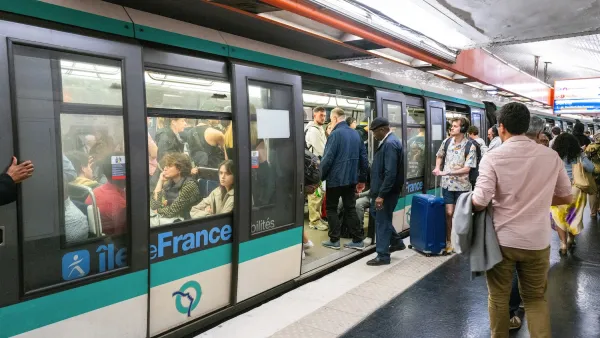
Study: Metro Systems Cut Driving Significantly More Than Other Forms of Transit
European cities with subway systems have a much lower share of car trips than cities with tram- or bus-based transit systems.
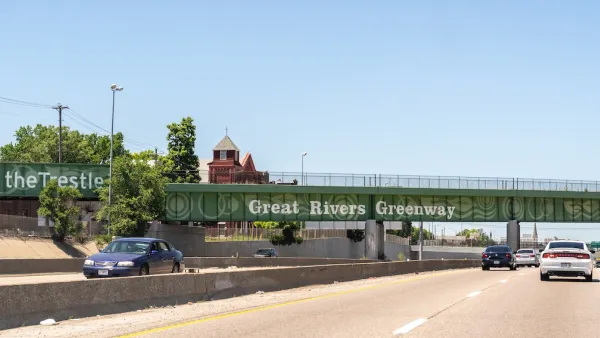
Moving Beyond Crash Statistics to Understand Road Safety
Why measuring traffic deaths alone doesn’t paint a full picture.
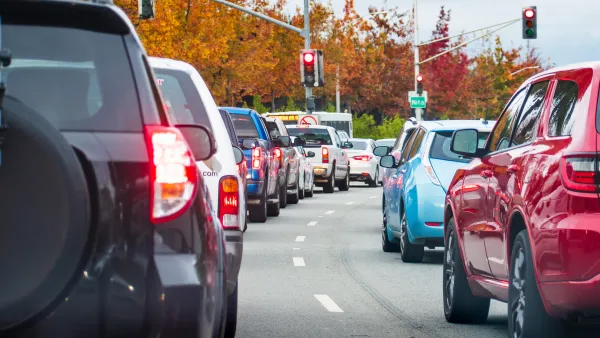
US Cities Ranked by Vehicle Miles Traveled
Density, weather, and access to public transportation systems play a key role in how many miles are driven in the country’s 50 largest metro areas.

The Cost of Driving Increasingly Out of Reach in the U.S.
New research stresses the importance of socioeconomic differences in U.S. transportation trends.
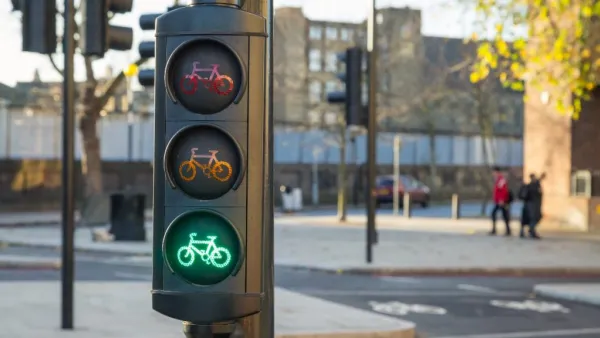
People on Bikes Outnumber Drivers in the City of London
The City of London’s efforts to increase biking and reduce driving has finally achieved a long-term goal: a preference for biking over driving.
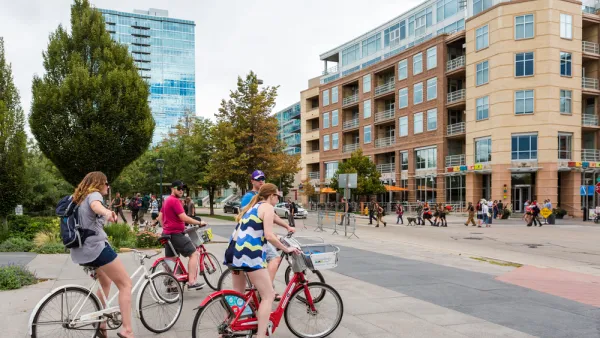
Study: More Bike Infrastructure Could Prevent 15,000 Deaths Annually
In addition to reducing air pollution and congestion, improving bike infrastructure could save thousands of lives each year, according to new research.
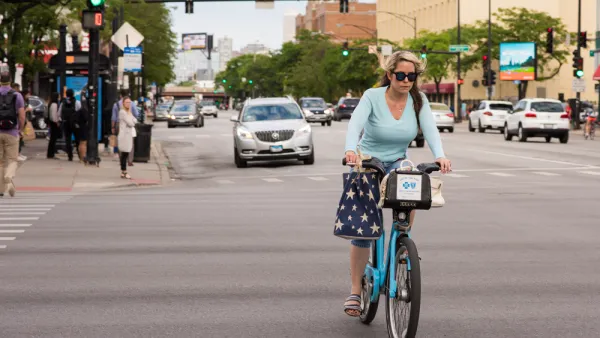
Study: When Women Ride Bikes, Everyone Rides More
New research indicates a positive association between overall cycling levels and ridership rates for women-identified riders.
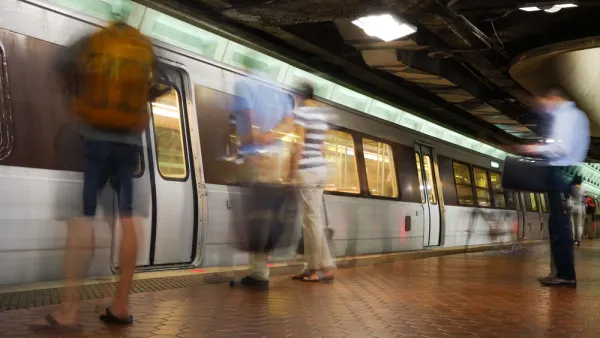
Report: D.C. Area Commuters Driving Alone Less
With all the bad news about plummeting ridership as the D.C. Metro transit system has struggled to deal with maintenance issues, a new report indicates that regional commuters are still driving alone less.

Car-Free Cities, Measured
The CityLab team has created a new metric to measure the U.S. cities where people are most likely to be car free.
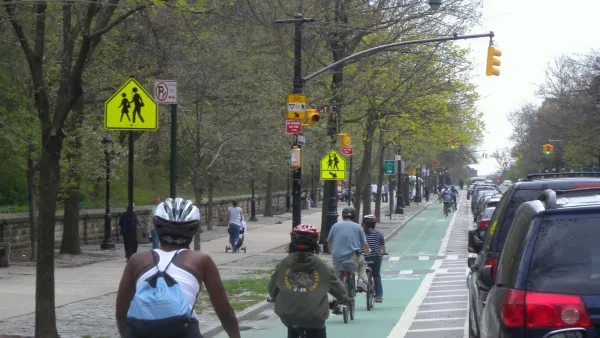
Fewer New Yorkers Riding Bikes
A recent report presents evidence that fewer New Yorkers are choosing bikes as an alternative form of transportation.
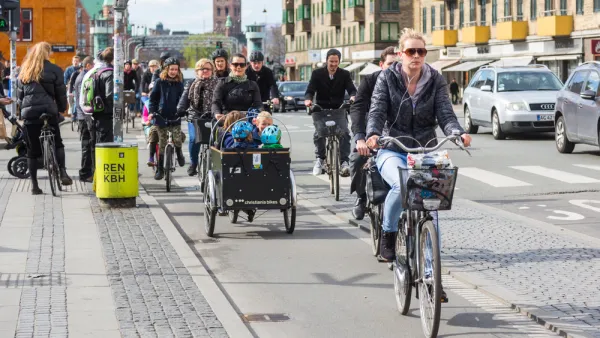
Copenhagen Update: On-Street Auto Parking Replaced by Bike Parking
Copenhagen may have already met its bicycling goal of 50 percent of modal share for commuting, but it needs to improve the share for all trips. With less funding available, the city is pursuing low cost strategies, such as auto parking removal.
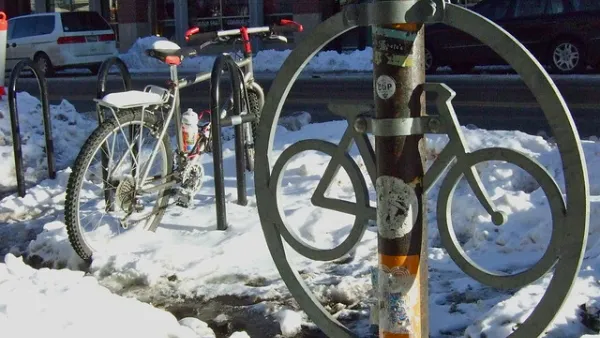
The Best Places for Bikes in the United States
PeopleforBike has released its most comprehensive analysis yet of how well cities and towns provide bike infrastructure and succeed in attracting people to active transportation.
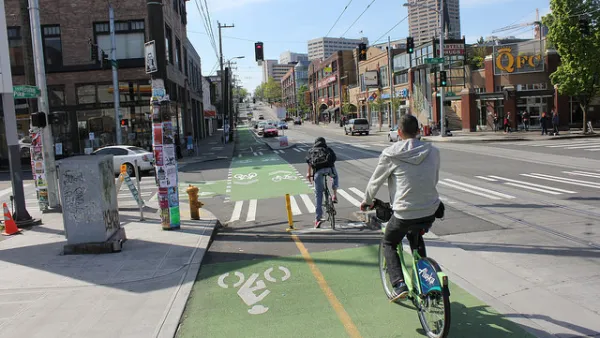
If You Build It, They Will Ride (400% More)
A more than 400 percent increase in bike ridership following the opening of a protected bike lane on Second Avenue proves that Seattleites are more inclined to ride with safe facilities.

Congressional Bill Would Offer a Bigger Tax Break for People Who Bike to Work
A bi-partisan bill till early in the federal legislative process would expand a very small tax incentive for people who ride a bike to work.
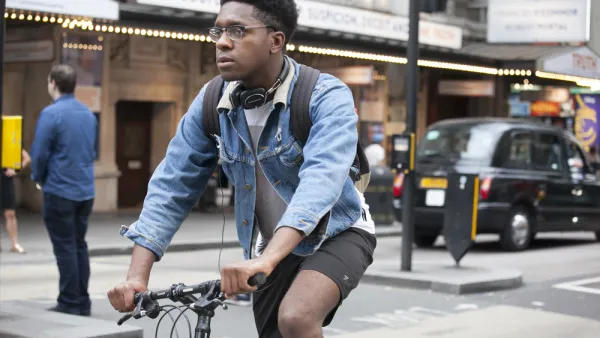
Bike Commuting Down: American Community Survey Data
Bike commuters are increasing in some cities, but overall, fewer Americans are biking to work.
Bike Commutes at a Ten-Year Low in Seattle
Commute trips by bike are flat in Seattle, despite investments in high quality infrastructure. The city will have to do more for bikes to cut into the overall share of commute trips in the city of Seattle.
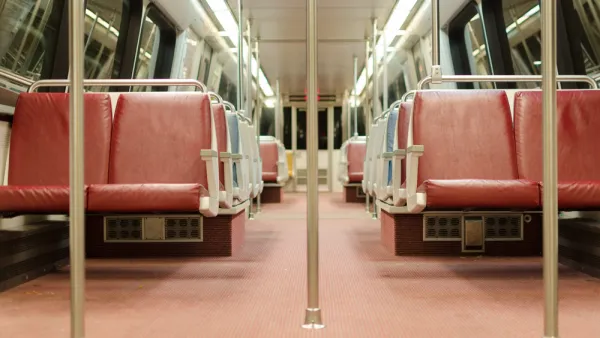
Census: Working From Home More Common Than Taking Transit to Work
A more sedentary approach to commuting is now more common than taking the bus or train to work, trailing only driving to work as the most common commute mode.
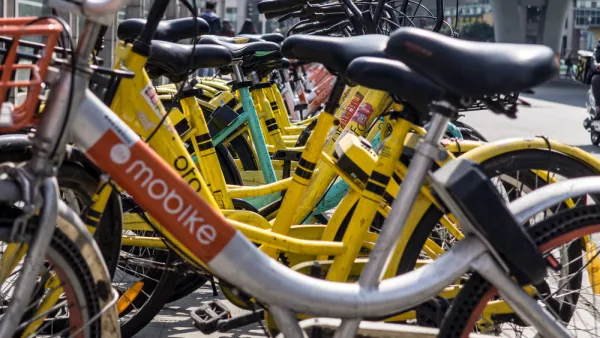
Dockless Bikeshare Has More Bikes Than Riders
Private bikeshare companies have rolled out large fleets of bikes in cities around the world and United States, but despite their ubiquity, dockless bikeshare is actually much less popular than traditional bikeshare.
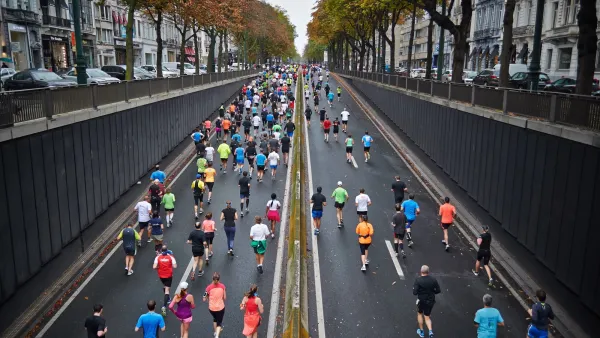
Replica, a New Tool from Sidewalk Labs, Takes Trip Data to the Next Level
Detailed reports on mode share, in real time and over time, are available with Replica.
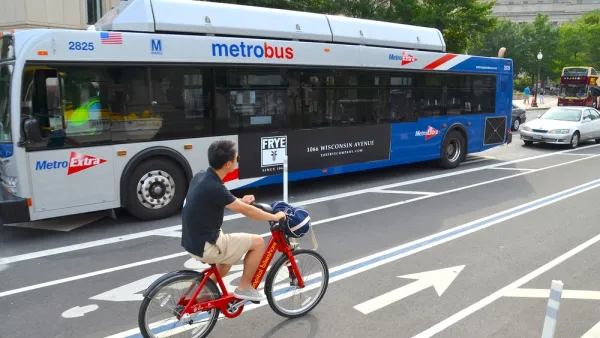
How Bikes Exploded onto the D.C. Scene
A trio of local experts offers insight into how Washington, D.C. tripled bike mode share in a decade.

FREE Course: Walkable City 1: Why Walkability?
After describing his path towards focusing on walkability as the essence of good planning, Jeff Speck marches through his five principal reasons for making more walkable places.
Reinventing Malls: Planning Alchemy—Turning Gray Fields Into Gold
The course focuses on the opportunities and imperatives that shape reinvention of mall sites.

City of Wisconsin Rapids
Harvard University Graduate School of Design
KFH Group Inc.
The Architects Foundation
University of Cincinnati Online
The Pocatello Development Authority
The Urban Renewal Agency of the City of Pocatello