Commute trips by bike are flat in Seattle, despite investments in high quality infrastructure. The city will have to do more for bikes to cut into the overall share of commute trips in the city of Seattle.


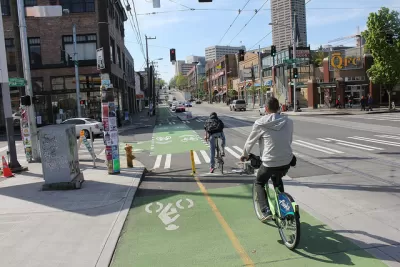
Gene Balk writes a column that begrudgingly acknowledges a troubling trend for bike advocates in Seattle: according to Census data, bike commuting is at a ten-year low in the city.
Last year, just 2.8 percent of workers who reside in the city of Seattle commuted to work by bicycle as their primary mode of transportation most days. That’s down from 3.5 percent in 2016, a statistically significant decline. And remarkably, you have to go all the back to 2007 to find a lower number — it was 2.3 percent that year.
What's troubling, writes Balk, is that the city has been investing in its bike infrastructure in the hopes of making biking a more attractive option.
It should be noted that the city of Seattle has achieved unparalleled success in the U.S. for reducing the share of solo car commuters and increasing the number of riders on buses and trains, so the city does have a track record of public transportation investments paying off in reduced car trips.
FULL STORY: Seattle bike commuting hits 10-year low, census data show

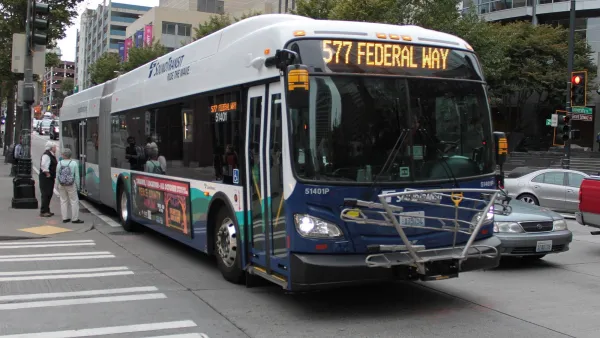
Transit Use Down, Remote Work Up in Seattle
Fewer workers in downtown Seattle are taking public transit to work thanks in large part to an ongoing move to remote work.
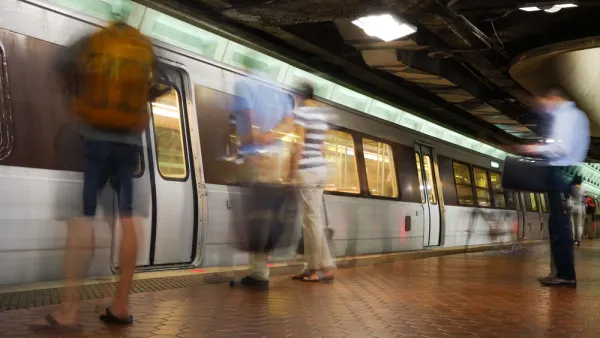
Report: D.C. Area Commuters Driving Alone Less
With all the bad news about plummeting ridership as the D.C. Metro transit system has struggled to deal with maintenance issues, a new report indicates that regional commuters are still driving alone less.
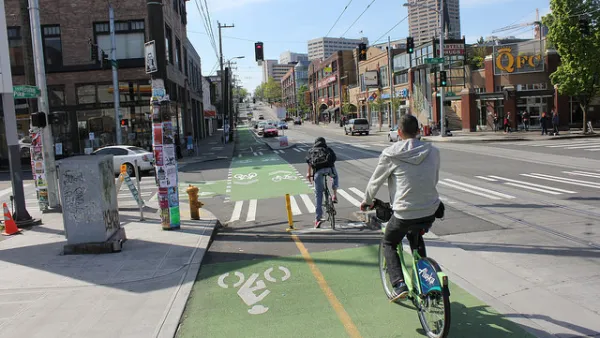
If You Build It, They Will Ride (400% More)
A more than 400 percent increase in bike ridership following the opening of a protected bike lane on Second Avenue proves that Seattleites are more inclined to ride with safe facilities.

Planetizen Federal Action Tracker
A weekly monitor of how Trump’s orders and actions are impacting planners and planning in America.

The state-sanctioned urbicide of Austin
People don’t kill cities. Freeways do.

US to reduce Colorado River water deliveries to Mexico
A new Colorado Treaty amendment reduces Mexico’s Colorado River water allocation by 250,000 acre feet.

5 New England states march closer to 800 megawatt wind energy project
Securing federal approval for the project may be complicated under the Trump administration, which has historically been hostile towards domestic wind power.

Baltimore to break ground on $50 million Transit Priority Project
The project will bring faster bus trips, safer streets and better bike connections to Baltimore.

Airbnb launches $250 million 'last-dollar financing' housing accelerator, makes first investment in Austin
The company will put $6.4 million towards affordable housing development in Texas’ capital.

FREE Course: Walkable City 1: Why Walkability?
After describing his path towards focusing on walkability as the essence of good planning, Jeff Speck marches through his five principal reasons for making more walkable places.
Reinventing Malls: Planning Alchemy—Turning Gray Fields Into Gold
The course focuses on the opportunities and imperatives that shape reinvention of mall sites.

Eagle County Government
Harvard University Graduate School of Design
Nashville Planning Department
The Architects Foundation
University of Cincinnati Online
The Pocatello Development Authority
The Urban Renewal Agency of the City of Pocatello
Journal of the American Planning Association