Green Infrastructure
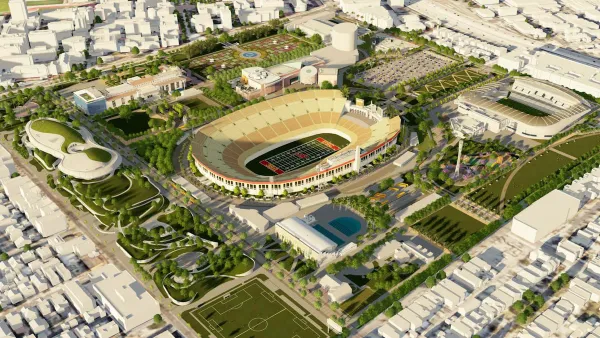
Exposition Park’s $351.5 Million Transformation
This revitalization will create vital green spaces, improve accessibility, and enhance connections with community, making Exposition Park a central hub for recreation and culture in Los Angeles.
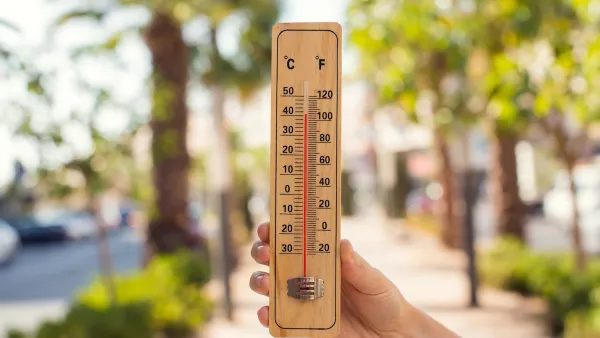
Study: Urban Trees Lose Cooling Benefits in Extreme Heat
A robust tree canopy can help reduce the urban heat island effect and lower air temperatures, but the impact is reduced as temperatures rise.
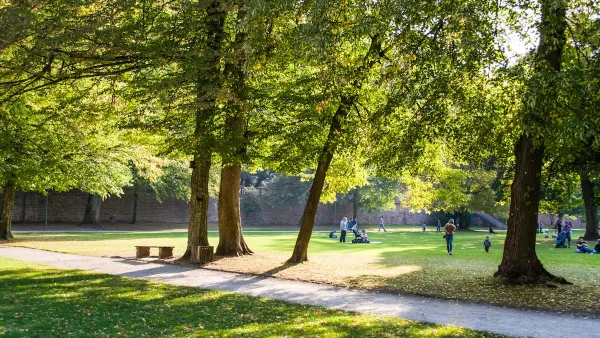
Advancing Sustainability and Resilience Through Parks
The Urban Land Institute offers fact sheets describing five innovative ways that parks can reduce carbon emissions and mitigate climate threats while advancing health, equity, and quality of life in urban areas.
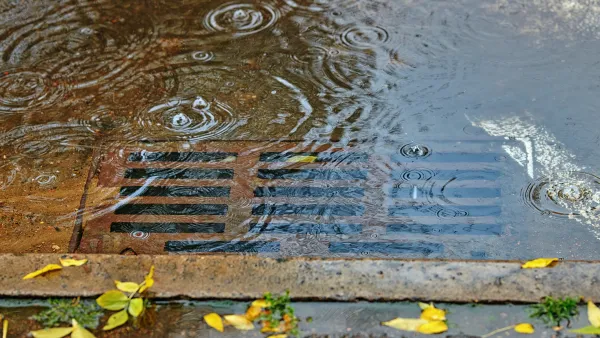
Study: D.C.’s Poorest Neighborhoods Are Most Vulnerable to Stormwater
Lack of gray and green infrastructure in the city’s densest communities, particularly in historically Black Southeast D.C., has led to higher amounts of flooding in those neighborhoods.
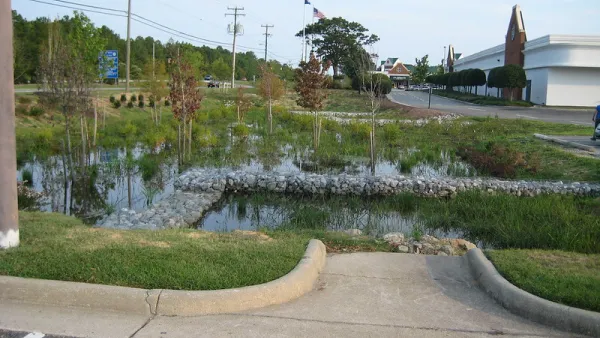
Opinion: Cities Need Green Infrastructure to Weather Future Storms
How ‘sponge cities’ can protect residents and conserve water.
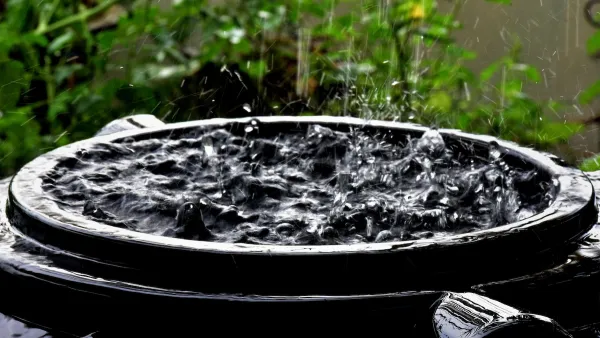
Building ‘Sponge Cities’
How China embarked on an ambitious national plan to capture stormwater.
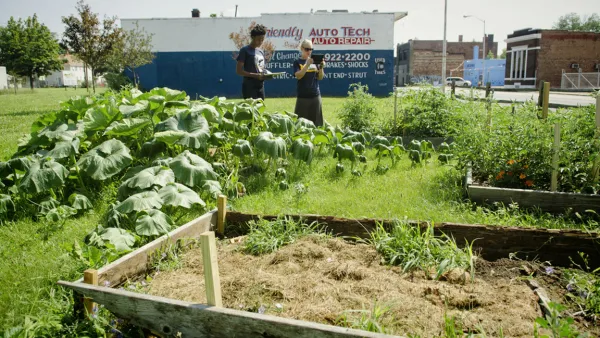
How Nonprofits Are Shaping Sustainable Cities
Learn about nonprofits' pivotal role in urban sustainability, from policy advocacy to launching eco-initiatives that are transforming cityscapes for the better.
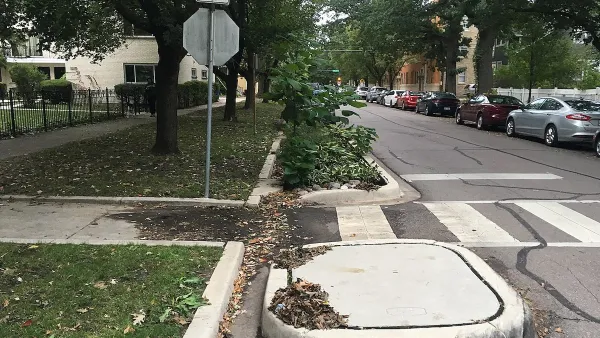
How Capturing Rainwater Can Make Cities Safer, More Resilient
Green infrastructure can help prevent flooding and replenish groundwater supplies, preventing subsidence that makes land sink.
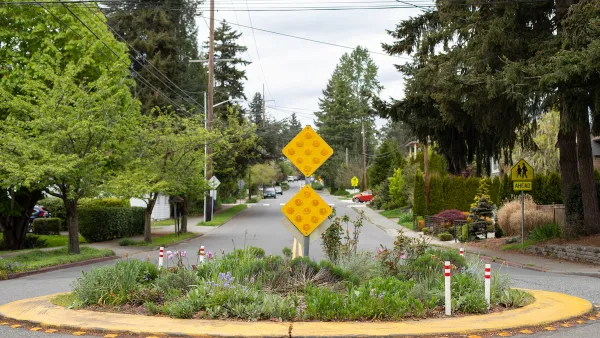
The Future of Federal Funding for Green City Initiatives
Explore the trajectory of federal investment in green city projects, focusing on sustainable infrastructure, renewable energy, and eco-friendly policies.
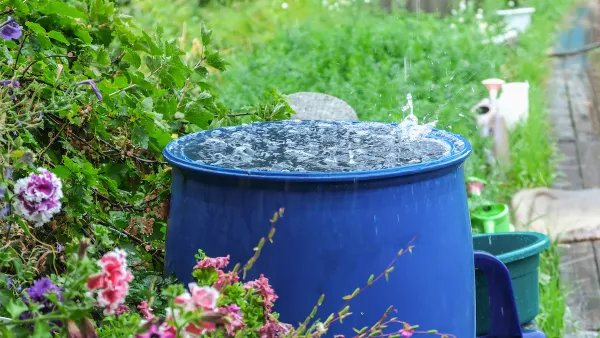
Flood Resilience Through Green Infrastructure
Cities like New York and Los Angeles are moving to build green infrastructure as the need for spongier urban spaces becomes more apparent.
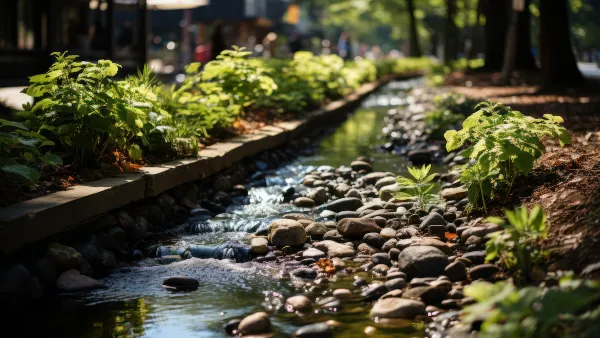
FEMA Climate Resilience Loans Target Small Communities
A new loan program reduces the bureaucratic hurdles to implementing small-scale climate adaptation projects.
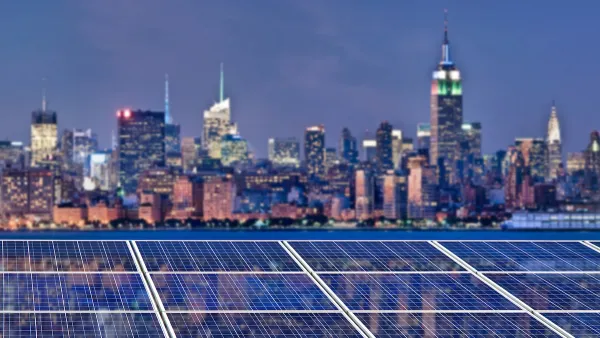
NYC Planning Commission Approves ‘City of Yes for Carbon Neutrality’
The first of three elements of the City of Yes rezoning proposal aims to remove barriers to building green infrastructure.
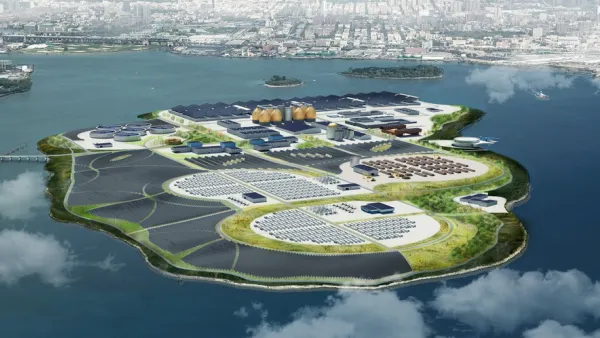
Can New York City Go Green Without Renewable Rikers?
New York City’s bold proposal to close the jail on Rikers Island and replace it with green infrastructure is in jeopardy. Will this compromise the city’s ambitious climate goals?
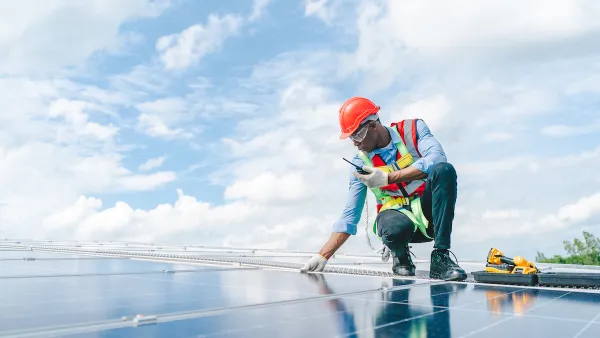
Report: Cities’ Climate Plans Fail to Include Workforce Development
While a few cities have detailed goals and investment strategies for building their green workforce, most U.S. cities fail to address the need for the training and education of a new generation of workers.
What Is Green Infrastructure?
Green infrastructure harnesses nature to the benefit of the built environment as well as human and animal life.
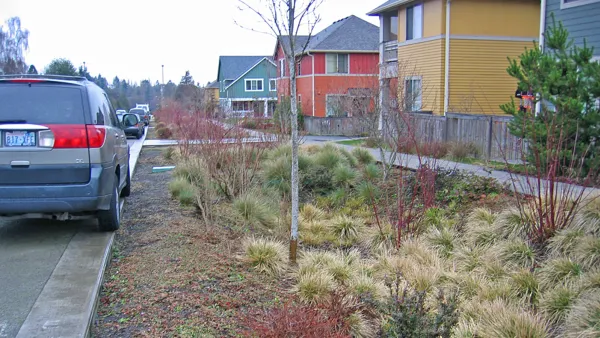
Green Infrastructure Toolkit Launches on World Water Day
The Green Infrastructure Toolkit lists 25 actions local governments can take to transform crusty, impermeable urban landscapes into vibrant, spongy ecosystems that preserve water as a resource and protect against its potential destruction in floods.
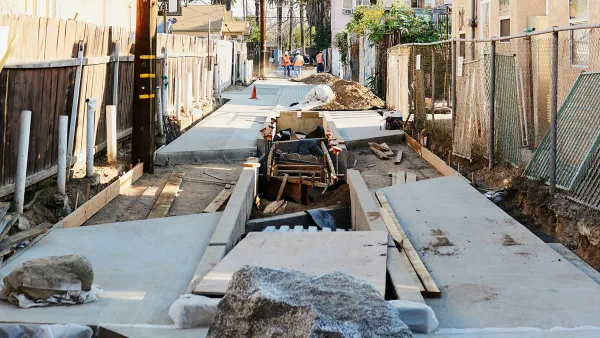
Green Alleys: A New Paradigm for Stormwater Management
Rather than shuttling stormwater away from the city and into the ocean as quickly as possible, Los Angeles is now—slowly—moving toward a ‘city-as-sponge’ approach that would capture and reclaim more water to recharge crucial reservoirs.
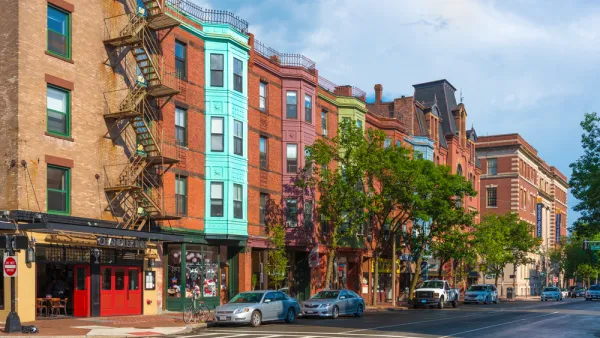
Boston Unveils Green Infrastructure Plan
The city will start by redesigning curb extensions to incorporate elements that improve flood prevention and stormwater management.
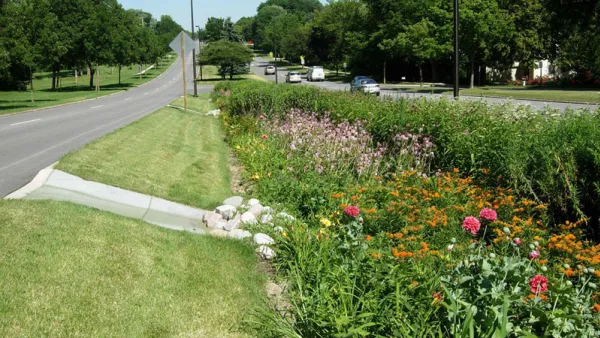
How To Equitably Distribute Green Infrastructure
As more urban surfaces are developed and covered with impermeable materials, the importance of green infrastructure like bioswales and permeable pavement is growing.
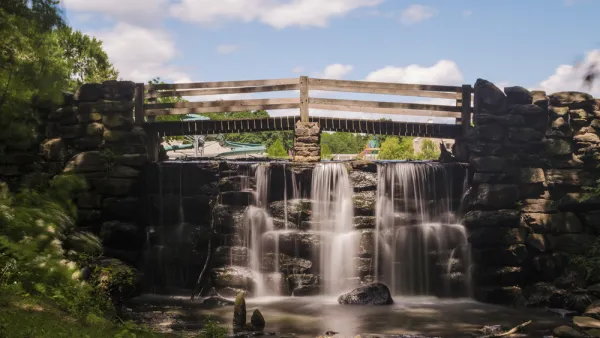
'Daylighting' Project to Restore Nature in the Big Apple
More cities are returning waterways to a more natural state—in some cases unearthing them from subterranean pipes in a process known as "daylighting." A new example can be found, perhaps surprisingly, in New York City.

FREE Course: Walkable City 1: Why Walkability?
After describing his path towards focusing on walkability as the essence of good planning, Jeff Speck marches through his five principal reasons for making more walkable places.
Reinventing Malls: Planning Alchemy—Turning Gray Fields Into Gold
The course focuses on the opportunities and imperatives that shape reinvention of mall sites.

Rutgers University, Edward J. Bloustein School of Planning and Public Policy
One Hundred Miles
County of Mendocino
The Architects Foundation
University of Cincinnati Online
Montrose County
Northern Illinois Transit Authority (NITA)
The Pocatello Development Authority








