Peoria's new stormwater farm takes the pressure off its outdated combined sewer system. It's part of a larger effort by the city to align green infrastructure with social equity goals.



Peoria, Illinois is home to one of the nation's first stormwater farms, the Well Farm at Voris Field. It was designed "to capture water runoff from a 1.55-acre area, to prevent an estimated 1.3 million gallons of stormwater from entering the city's combined sewer system each year," Emily Nonko writes. In 2019, following a rainy start to the year, about 1.1 million gallons of rainwater were diverted to the farm.
Prone to overflow, Peoria's combined sewers have yet to comply with the Clean Water Act. "At a local level, formalizing this plan with the EPA will help the city avoid penalties for water pollution. On a larger scale, Peoria wants to show that the 'paradigm shift' from gray to green infrastructure is not only effective but provides opportunities for equity and resiliency," Nonko writes.
Nonko discusses a number of related pilot projects that the city's pursuing to align green infrastructure with social equity, including a green streets program and paid apprenticeships for youth.
Read the full story: In Peoria, Green Infrastructure As a Path to Social Equity

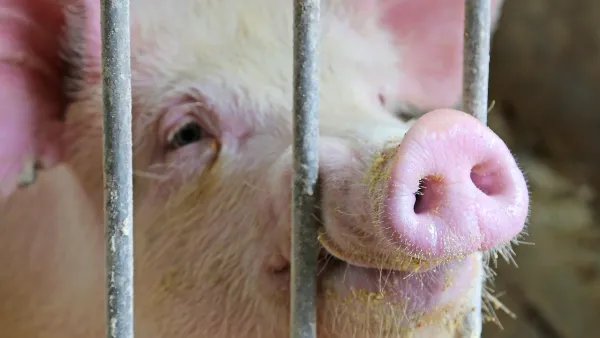
Iowa taxpayers are paying thousands to clean manure out of their water
While the Clean Water Act makes states responsible for regulating factory farms that discharge pollutants, Iowa has turned a blind eye to the polluting farms.
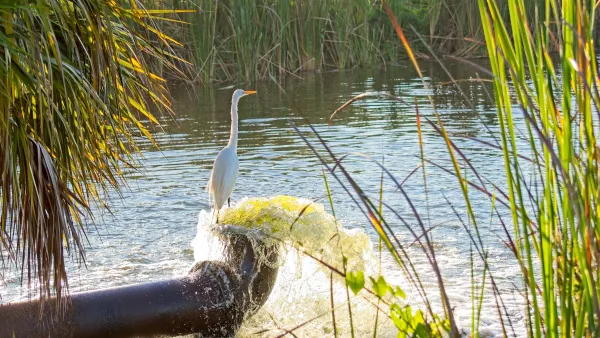
94% of wetlands could lose federal protections under proposed EPA rule
The ruling would only allot federal protections to waterways that flow nearly everyday, which few wetlands do.
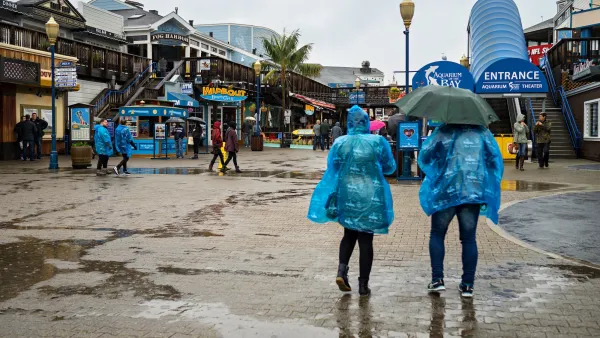
Rain gardens keep up to 99% of pollutants out of San Francisco Bay
The city's roadside rain gardens soak up stormwater and filter out dozens of harmful micropollutants.

Planetizen Federal Action Tracker
A weekly monitor of how Trump’s orders and actions are impacting planners and planning in America.

California plans to bury El Niño’s downpour
If the state plays its cards right, it may be able to store a billion acre-feet of El Niño’s water in aquifers.

Desperate measures: Advocates weigh draining Lake Powell to fill Colorado River
Draining the reservoir could reduce evaporation losses by a couple hundred thousand acre-feet.

In Texas, data centers are swallowing promised parkland
Residents who moved to Taylor, Texas for a rural community now have to contend with three data centers in their backyard.

How a Chicago-sized wind farm beat the odds and powered on
The project spanned five presidential administrations and a standoff with a U.S. military base.

MTA gives itself 30 days to transform pit into basketball court
The site has been under construction since 2022; the city originally estimated it would finish the court in 2024.

FREE Course: Walkable City 1: Why Walkability?
After describing his path towards focusing on walkability as the essence of good planning, Jeff Speck marches through his five principal reasons for making more walkable places.
Reinventing Malls: Planning Alchemy—Turning Gray Fields Into Gold
The course focuses on the opportunities and imperatives that shape reinvention of mall sites.

City of Rosemead
Rutgers University, Edward J. Bloustein School of Planning and Public Policy
One Hundred Miles
Hunter College, City University of New York (CUNY)
The Architects Foundation
University of Cincinnati Online
City of Cambridge
Montrose County
The Pocatello Development Authority