Environmental Justice
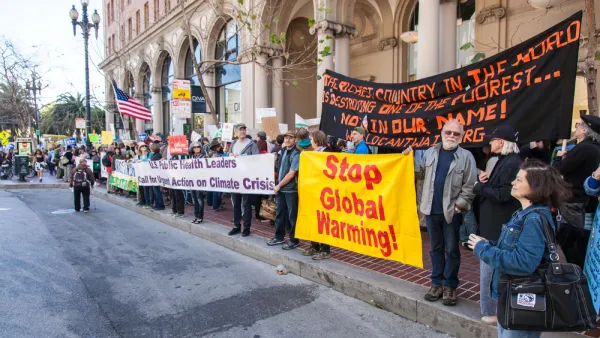
Climate Equity Agenda Key to Passage of California's Climate Legislation
Environmental advocacy is not enough. Environmental and social justice must play a role in California's legislative effort to battle climate change, opine two professors from UC Berkeley and USC in the San Francisco Chronicle.
Why Don't Environmentalists Support Washington's Carbon Tax Measure?
A largely revenue-neutral carbon tax proposal, similar to the carbon tax in British Columbia which began in 2008, qualified for the November ballot in Washington. Environmentalists and Democrats, not Big Oil, may cause it's defeat.
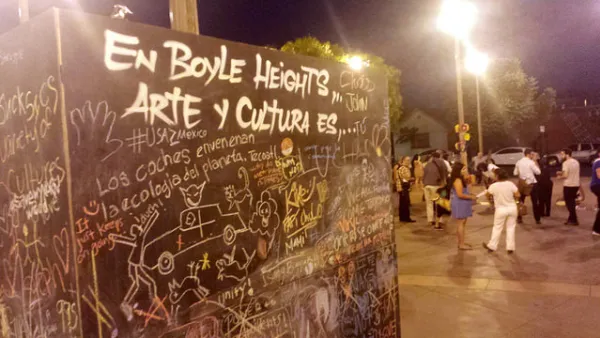
East Los Angeles Community Groups Prove that Community Planning Matters
The landscape of community development in Los Angeles today differs vastly from even a few years ago. Two groups in East L.A. are developing solutions to accelerating gentrification and displacement and a compounding affordable housing crisis.
Environmental Injustice and Police Violence Overlap Across the U.S.
Being a person of color in the United States means being physically vulnerable to both environmental hazards and police violence, two professors argue.
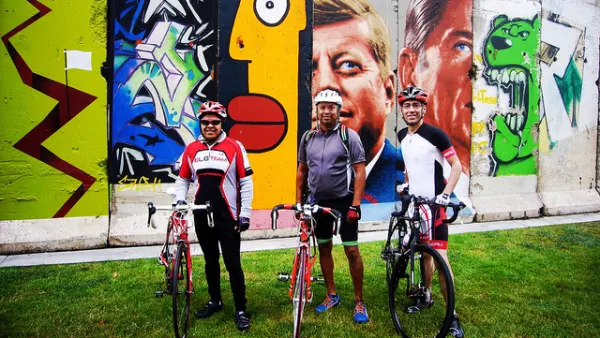
Active Transport (Walking and Cycling) Planning for Equity
A new FHWA report, "Pursuing Equity in Pedestrian and Bicycle Planning" identifies practical ways to achieve social equity by better responding to the active travel needs of currently underserved populations.
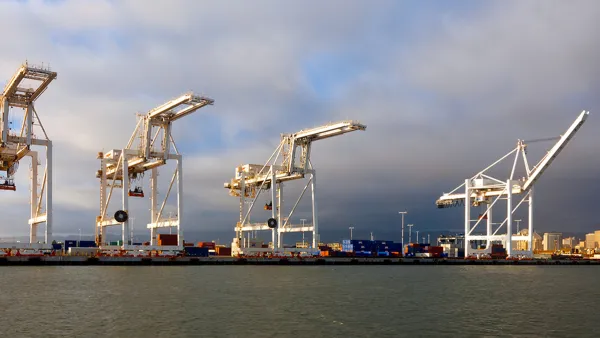
Environmental Justice Wins With Coal Ban in Oakland
The City Council in Oakland, California took its first, substantive steps toward banning the handling and storage of coal in the city.

All Jokes Aside: Do Oil Companies Avoid Wealthy Areas?
Environmental justice alarms sounded when an oil industry executive made public remarks about how drilling sites get selected.
Citizen's Carbon Tax Initiative Goes Before Washington State Senate
A group that calls itself Carbon Washington could be at the helm of a new environmental movement to address climate change. They have proposed a $25-per-ton, revenue-neutral carbon tax.
America's Coast-to-Coast Toxic Crisis
Flint, Michigan is not an anomaly.
Lead Poisoning in Children Common in Other Parts of the U.S.
The case of the lead contaminated waters in Flint, Michigan has renewed a national discussion of lead poisoning in children across the United States.
The EPA's Lackluster Environmental Justice Record
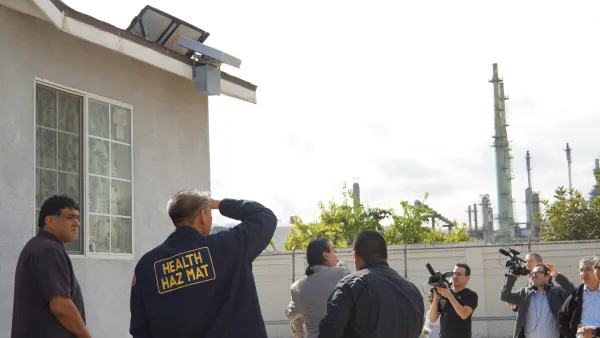
The Center for Public Integrity has released a report criticizing the EPA's environmental justice competence. In only 12 cases has the agency taken official action on behalf of communities affected disproportionately by polluters.
New App from the U.S. EPA Maps Environmental Justice
A publicly available web tool allows access to maps that overlay environmental impacts and the populations they impact (or the populations that manage to avoid such impacts, for that matter).
Mapping the Ongoing Challenges of Environmental Justice
The U.S. Environmental Protection Agency released a new tool to visualize the ongoing realties of environmental justice in cities around the country.
Latest Hotbed of High Speed Rail Opposition: San Fernando Valley
Opposition, followed by legal action to the California High-Speed Rail project began in Northern California, spread to the Central Valley, and now has hit southern California, particularly in the San Fernando Valley of Los Angeles County.
First New U.S. Waste-to-Energy Plant in 20 Years to Open in Florida
Waste-to-energy plants, or incinerators, are classified as renewable power plants by the EPA. A controversial Baltimore plant is under construction as well. More common in Europe, they may be catching on stateside due to low recycling rates.
How 'Just Green Enough' Adds the Equity to 'Green'
A Fast Co. Design article explains the "just green enough" concept as advanced by Jennifer Wolch, dean of the College of Environmental Design at the University of California, Berkeley.
Pedestrian Safety Suffers in Low-Income Areas
Focusing on street safety conditions in Miami as a case study of larger findings, a Governing magazine analysis finds that pedestrians are much more likely to be killed by cars in impoverished neighborhoods.
Making Planning 'Just Green Enough' to Balance Environmental Justice and Gentrification
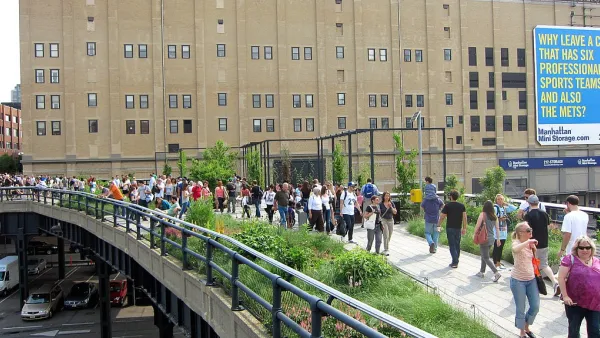
A growing body of research examines the question of how to make places more attractive and healthy, without then making them more expensive.
California Takes Legislative Steps to Address Growing Crude-by-Rail Shipments
While regulated on the federal level, there is still much that can be done on a state level, including adding per-barrel fees to pay for cleanup plans. Plus, a new regulation took effect requiring railroads to notify states about Bakken crude trains.
Think Lead Was Removed from Fuel? Think Again!
Leaded gasoline is still sold in Afghanistan, Algeria, Iraq, Myanmar, North Korea, and Yemen. Most think that the brain-damaging additive was banned in the U.S in 1995, but not for 167,000 piston-engined aircraft that use leaded aviation fuel.

FREE Course: Walkable City 1: Why Walkability?
After describing his path towards focusing on walkability as the essence of good planning, Jeff Speck marches through his five principal reasons for making more walkable places.
Reinventing Malls: Planning Alchemy—Turning Gray Fields Into Gold
The course focuses on the opportunities and imperatives that shape reinvention of mall sites.

Harvard University Graduate School of Design
KFH Group Inc.
Greater Baltimore Committee
The Architects Foundation
University of Cincinnati Online
The Pocatello Development Authority
The Urban Renewal Agency of the City of Pocatello