A system of beacons will send signals to cell phones in Houston to help bus riders find stops and navigate public transit safely.


Houston's limited sidewalks and wide streets make it difficult for anyone to navigate on foot or by bus, doubly so for the visually impaired. The city's transit agency is now taking a step to address that issue. "For less than the cost of a single bus, however, Metro might be the first transit agency in the country to take a significant step across an entire bus system that could open riding options to scores of vision-impaired customers with the use of a smartphone," Dug Begley reports for the Houston Chronicle.
The system of beacons placed on top of bus stop poles identify the stops for cellphones. Often finding a stop on a long block can pose a challenge for those with limited vision. Now, using beacons, a bus rider's phone will get signals as they approach a stop.
The system is likely to be relatively inexpensive to install. "Installing a beacon at all of Metro’s roughly 9,000 bus stops is expected to cost $375,000, meaning for less than the cost of a single bus every place that a bus stops will be accessible to the visually impaired and others," Begley writes.
FULL STORY: Beacons put Metro at forefront of disabled service advances for transit

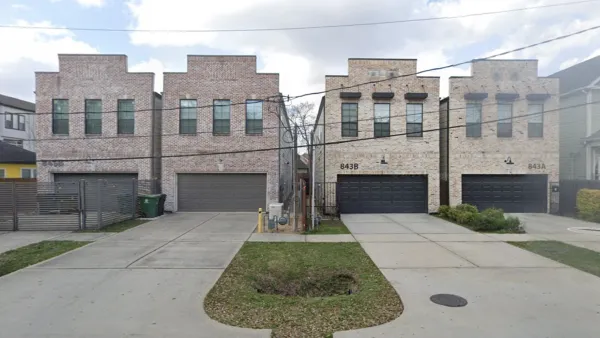
Houston Debates Shared Driveway Requirement
A proposed rule would require developers to build shared driveways for narrow lot projects.
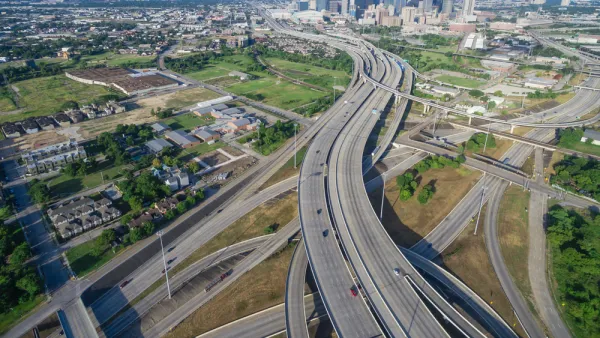
Refugees Learn to Survive as Pedestrians on Houston's Dangerous Streets
For one refugee family, living in Houston has meant facing a host of new challenges as they traverse the city’s roadways without a car.
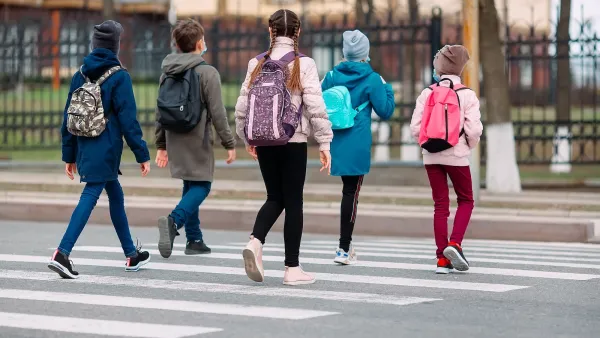
The number of kids walking to school dropped from over 50% to 11% since the 1960s
Unsafe pedestrian infrastructure makes walking to school dangerous or impossible for a growing number of American students.

Planetizen Federal Action Tracker
A weekly monitor of how Trump’s orders and actions are impacting planners and planning in America.

The state-sanctioned urbicide of Austin
People don’t kill cities. Freeways do.

US to reduce Colorado River water deliveries to Mexico
A new Colorado Treaty amendment reduces Mexico’s Colorado River water allocation by 250,000 acre feet.

5 New England states march closer to 800 megawatt wind energy project
Securing federal approval for the project may be complicated under the Trump administration, which has historically been hostile towards domestic wind power.

Baltimore to break ground on $50 million Transit Priority Project
The project will bring faster bus trips, safer streets and better bike connections to Baltimore.

Airbnb launches $250 million 'last-dollar financing' housing accelerator, makes first investment in Austin
The company will put $6.4 million towards affordable housing development in Texas’ capital.

FREE Course: Walkable City 1: Why Walkability?
After describing his path towards focusing on walkability as the essence of good planning, Jeff Speck marches through his five principal reasons for making more walkable places.
Reinventing Malls: Planning Alchemy—Turning Gray Fields Into Gold
The course focuses on the opportunities and imperatives that shape reinvention of mall sites.

Eagle County Government
Harvard University Graduate School of Design
Nashville Planning Department
The Architects Foundation
University of Cincinnati Online
The Pocatello Development Authority
The Urban Renewal Agency of the City of Pocatello
Journal of the American Planning Association