For one refugee family, living in Houston has meant facing a host of new challenges as they traverse the city’s roadways without a car.


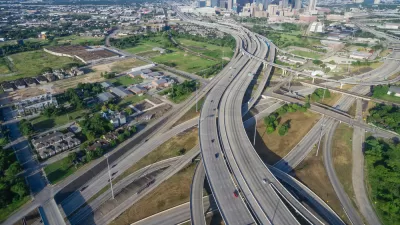
Peter Holley writes about a family who moved from a refugee camp in Burundi in Central Africa to Houston and their acclimation to life in this city—namely, learning to make their way along treacherous roads on foot.
Among Texas cities, Houston stands out for its especially bad sidewalk infrastructure, where crossing busy roadways can be deadly. And the risks are even greater for residents on Houston’s southwest side. Sixty percent of the deadliest intersections are located in this area, and most resettled immigrants live in this part of the city.
"Not only is southwest Houston one of the most car-dependent areas in the nation, it’s also beset by narrow sidewalks in various states of disrepair, limited signage, distracted drivers, and relentless waves of traffic," writes Holley.
FULL STORY: This Family Survived an African Refugee Camp. Their New Challenge: Surviving Houston Without a Car.

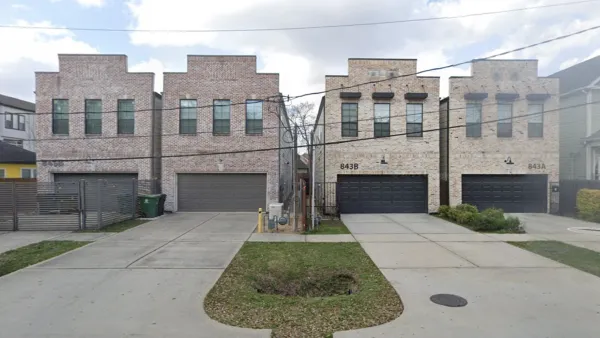
Houston Debates Shared Driveway Requirement
A proposed rule would require developers to build shared driveways for narrow lot projects.
Without Sidewalks, Making Seattle Streets More Pedestrian Friendly
Over a quarter of city blocks lack sidewalk infrastructure. An advocacy project to reduce traffic speeds and increase pedestrian safety on these streets has evolved into a city-funded program.
Houston Metro's Beacons Serve Visually-Impaired Population
A system of beacons will send signals to cell phones in Houston to help bus riders find stops and navigate public transit safely.

Planetizen Federal Action Tracker
A weekly monitor of how Trump’s orders and actions are impacting planners and planning in America.

The state-sanctioned urbicide of Austin
People don’t kill cities. Freeways do.

US to reduce Colorado River water deliveries to Mexico
A new Colorado Treaty amendment reduces Mexico’s Colorado River water allocation by 250,000 acre feet.

5 New England states march closer to 800 megawatt wind energy project
Securing federal approval for the project may be complicated under the Trump administration, which has historically been hostile towards domestic wind power.

Baltimore to break ground on $50 million Transit Priority Project
The project will bring faster bus trips, safer streets and better bike connections to Baltimore.

Airbnb launches $250 million 'last-dollar financing' housing accelerator, makes first investment in Austin
The company will put $6.4 million towards affordable housing development in Texas’ capital.

FREE Course: Walkable City 1: Why Walkability?
After describing his path towards focusing on walkability as the essence of good planning, Jeff Speck marches through his five principal reasons for making more walkable places.
Reinventing Malls: Planning Alchemy—Turning Gray Fields Into Gold
The course focuses on the opportunities and imperatives that shape reinvention of mall sites.

Eagle County Government
Harvard University Graduate School of Design
Nashville Planning Department
The Architects Foundation
University of Cincinnati Online
The Pocatello Development Authority
The Urban Renewal Agency of the City of Pocatello
Journal of the American Planning Association