Secretary Zinke's order is part of the "energy dominance" agenda of the Trump Administration to make the U.S. a major energy exporter. The order will reduce the time needed by the Bureau of Land Management to process permitting for new wells.


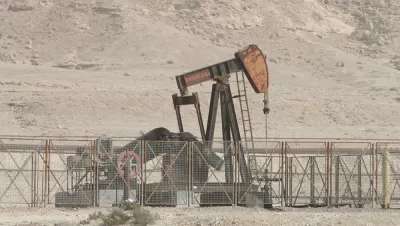
"Secretary Ryan Zinke’s order is the latest Trump administration effort to loosen restrictions on the fossil fuel industry and boost domestic oil and gas production," writes Dino Grandoni, energy and environmental reporter for The Washington Post and author of the Energy 202 newsletter
Boosting fossil fuel production is an integral part of what the administration now calls its "energy dominance” agenda, the new buzzword to replace the bipartisan "energy independence" goal, wrote Grandoni in May.
"Zinke said the aim of his order is to untangle the bureaucratic knot so the [Bureau of Land Management] BLM can review permit applications within 30 days, as mandated by statute," report Grandoni and Juliet Eilperin in a related article on the order issued July 6. Under the Obama Administration, processing time took more than seven times as long.
G-20 Summit
Energy dominance has become part of the Trump Administration's foreign policy toolbox, noted by the president himself, reports Grandoni in the July 6 "Energy 202" newsletter.
On Thursday, ahead of the G-20 meeting, Trump touted the promise of U.S. natural gas to a dozen Eastern European nations that attended the "Three Seas" regional summit, named after the Adriatic, Baltic and Black Seas that surround the countries. During a speech, he noted Poland's first delivery of U.S. [Liquefied Natural Gas] LNG in June.
The U.S. had officially crossed the threshold of being a net natural gas exporter last year thanks to the "Shale Miracle" of 2010, observed Planetizen editor James Brasuell last November.
Opening up California federal lands to drilling
"The state hasn’t seen new onshore oil and gas leases offered up on federal land in four years because of environmental fights," reports Kurtis Alexander for the San Francisco Chronicle. "The order [pdf] has some environmentalists fearing that de facto moratorium will soon end."
In California, the prime area for exploration is in Kern County, where most the of the state’s extraction is done now. The Bureau of Land Management also controls land in Tulare, Fresno, San Luis Obispo, Santa Barbara, Ventura and Monterey counties, where drilling could also expand.
One obstacle for Zinke will be local protections like Measure Z, approved by 56 percent of Monterey County voters last November that prohibits new drilling and potentially even existing drilling. Litigation followed, halting implementation of much of the measure, although the ban on fracking remains. It could take years to resolve.
Not looking good for "keep it in the ground" movement
"Environmentalists, who had far greater access to the Obama administration than they do to President Trump, predicted a gloomy future for federally owned open space," adds Alexander.
“This new directive could have far-reaching consequences," said Hollin Kretzmann, staff attorney at the Center for Biological Diversity, a group that has opposed drilling in California. "Even where you see no wells today, there’s potential for oil and gas activities to expand.”
FULL STORY: The Energy 202: Can Zinke boost more oil and gas drilling on public lands?

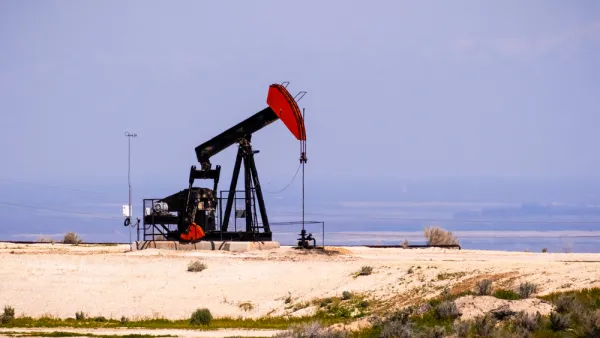
Department of Interior Plans to Open 1 Million Acres in California to Fracking
The Bakersfield Office of the Bureau of Land Management released an environmental study that is the basis for undoing a 2013 de facto moratorium on fracking on federal lands in California. The Supplemental EIS triggers a 45-day public comment period.
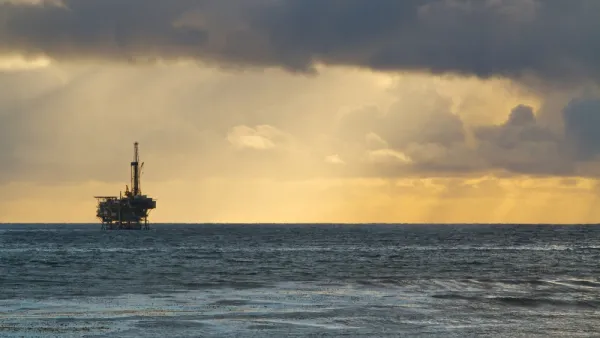
Despite Bipartisan Opposition, Trump Administration Opens Offshore Oil and Gas Drilling
In a major blow to former President Obama's restrictions on offshore drilling in sensitive areas, Interior Secretary Ryan Zinke announced that he would open the Outer Continental Shelf in four regions: Pacific, Arctic, Atlantic, and the Gulf Coast.
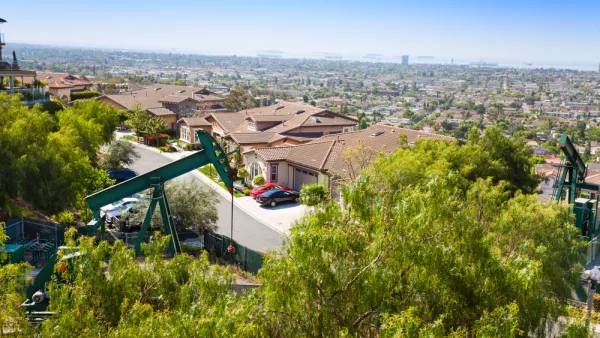
Trump Administration Reopens California Public Lands to Oil and Gas Drilling
A decision by the Bureau of Land Management on Oct. 3 may reverse the outcome of a 2013 lawsuit against the Obama administration by two environmental groups that effectively halted drilling in Fresno, Monterey and San Benito counties.

The state-sanctioned urbicide of Austin
People don’t kill cities. Freeways do.

US to reduce Colorado River water deliveries to Mexico
A new Colorado Treaty amendment reduces Mexico’s Colorado River water allocation by 250,000 acre feet.

New Jersey’s second-largest city bans standalone data centers
Jersey City will continue to allow co-location facilities, such as those meant for research institutions that store their own data.

Amtrak not solely to blame for New Jersey commuter rail's unreliability, report finds
A new study from the Garden State Initiative found that NJ Transit’s budget grew 20% across a 4 year period, but reliability declined significantly over the same period.

EPA erases limits on planet-warming pollution from power plants
Under Monday’s plan, power plants would still have some limits on how much mercury, arsenic and other contaminants they can emit.

Phoenix announces new on-demand transit service, more frequent RAPID buses
Both new services will launch in October, and are part of Phoenix's Project Effective Access Solutions for Easing Congestion.

FREE Course: Walkable City 1: Why Walkability?
After describing his path towards focusing on walkability as the essence of good planning, Jeff Speck marches through his five principal reasons for making more walkable places.
Reinventing Malls: Planning Alchemy—Turning Gray Fields Into Gold
The course focuses on the opportunities and imperatives that shape reinvention of mall sites.

Eagle County Government
Harvard University Graduate School of Design
Nashville Planning Department
The Architects Foundation
University of Cincinnati Online
The Pocatello Development Authority
The Urban Renewal Agency of the City of Pocatello
Journal of the American Planning Association