A production-side approach to tackling climate change is the basis of new legislation by Sen. Jeff Merkley (D-Ore.). The "Keep it in the Ground Act" would prevent new drilling for any fossil fuel on federal lands or renewal of nonproductive leases.


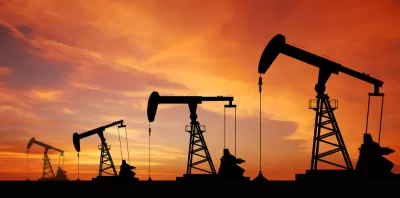
On Nov. 4, "Oregon’s Senator Jeff Merkley —joined by leading environmental advocates—introduced the Keep It in the Ground Act, major new legislation to help accelerate the transition to clean energy by ending all new federal leases for oil, gas or coal extraction on public lands and waters," states the senator's press release.
The Keep It in the Ground Act would:
- Stop new leases and end nonproducing leases for offshore drilling in the Pacific and Gulf of Mexico.
- Stop new and end nonproducing coal, oil, gas, oil shale and tar sands leases on all federal lands.
- Prohibit offshore drilling in the Arctic and the Atlantic.
In the background of the video that appears on the press release is Senator and presidential candidate Bernie Sanders, The other co-sponsors Sens. Ben Cardin (D-MD), Barbara Boxer (D-CA), Kirsten Gillibrand (D-NY), Patrick Leahy (D-VT), and Elizabeth Warren (D-MA).
"This bill is about recognizing that the fossil fuel reserves that are on our public lands should be managed in the public interest, and the public interest is for us to help drive a transition from fossil fuels to a clean energy future," Merkley said on a press call Tuesday, writes Katie Valentine, Deputy Editor for Climate Progress.
The bill does not address permits on non-federal lands nor the consumption side of fossil fuels.
The bill may have arisen from the anti-fracking movement wanting to go further than the regulations released by the Interior Department in March.
"These public lands are one of the easiest places for us to control the flow of carbon into the atmosphere," Bill McKibben, founder of climate action group 350.org, said in the Tuesday call, adds Valentine.
McKibben said the call to keep the majority of fossil fuel reserves in the ground can be compared to Brazil’s efforts to combat deforestation.
Is extracting oil or other fossil fuels from the ground the same as destroying a virgin forest? If oil doesn't come from domestic sources, will it not be imported from abroad?
FULL STORY: Merkley Introduces Major New Legislation To Stop New Fossil Fuel Leases On Federal Lands - Nov. 4

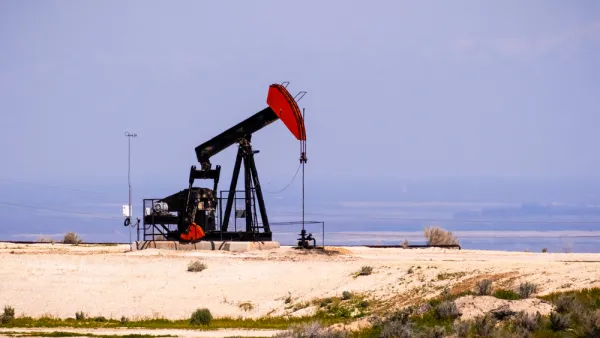
Department of Interior Plans to Open 1 Million Acres in California to Fracking
The Bakersfield Office of the Bureau of Land Management released an environmental study that is the basis for undoing a 2013 de facto moratorium on fracking on federal lands in California. The Supplemental EIS triggers a 45-day public comment period.
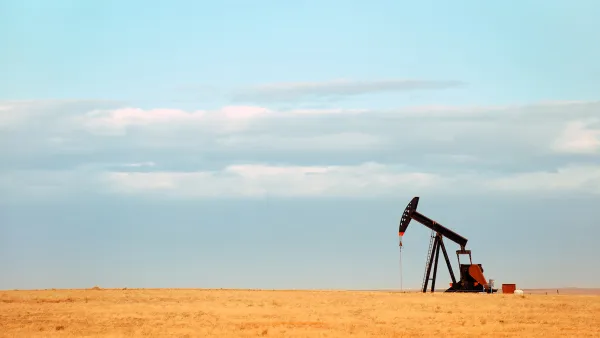
Do Environmentalists Confuse Oil Production With Oil Demand?
Samantha Gross, the director of the Energy Security and Climate Initiative at the Brookings Institution, argues that the key to reducing emissions is to do the hard work of reducing oil demand rather than focusing on ending U.S. oil drilling.
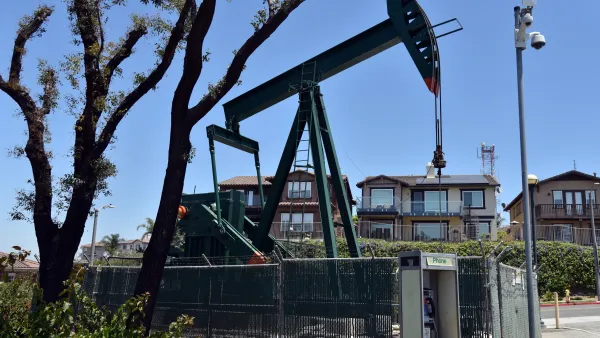
Election 2024: California Oil Drilling Referendum
Environmentalists gear up for battle to reject a referendum funded by Big Oil on a law passed last year that would ban oil and gas drilling within 3,200 feet of homes, schools, nursing homes, and hospitals.

The state-sanctioned urbicide of Austin
People don’t kill cities. Freeways do.

US to reduce Colorado River water deliveries to Mexico
A new Colorado Treaty amendment reduces Mexico’s Colorado River water allocation by 250,000 acre feet.

New Jersey’s second-largest city bans standalone data centers
Jersey City will continue to allow co-location facilities, such as those meant for research institutions that store their own data.

Amtrak not solely to blame for New Jersey commuter rail's unreliability, report finds
A new study from the Garden State Initiative found that NJ Transit’s budget grew 20% across a 4 year period, but reliability declined significantly over the same period.

EPA erases limits on planet-warming pollution from power plants
Under Monday’s plan, power plants would still have some limits on how much mercury, arsenic and other contaminants they can emit.

Phoenix announces new on-demand transit service, more frequent RAPID buses
Both new services will launch in October, and are part of Phoenix's Project Effective Access Solutions for Easing Congestion.

FREE Course: Walkable City 1: Why Walkability?
After describing his path towards focusing on walkability as the essence of good planning, Jeff Speck marches through his five principal reasons for making more walkable places.
Reinventing Malls: Planning Alchemy—Turning Gray Fields Into Gold
The course focuses on the opportunities and imperatives that shape reinvention of mall sites.

Eagle County Government
Harvard University Graduate School of Design
Nashville Planning Department
The Architects Foundation
University of Cincinnati Online
The Pocatello Development Authority
The Urban Renewal Agency of the City of Pocatello
Journal of the American Planning Association