The city of Everett is expecting a 60 percent jump in population by 2035, most of which will be focused in its city center. All of those people will also need an efficient and useful citywide transit system.


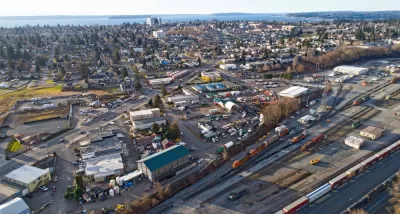
"Everett [Washington] has started work on a major long-range planning process for the city-owned transit system," reports Stephen Fesler.
The long-range plan will anticipate expected population and employment growth in the city. The city is planning to focus most of that growth in the city center, called Metro Everett.
According to Fesler, Everett transit planners will focus on six key objectives for the future of the city's transit system:
- Coverage (the areas where bus is provided);
- Frequency (how often buses provide service);
- Comfort and safety (how the transit experience feels);
- Span of service (the hours that bus service is provided);
- Low cost (how much fares should be);
- Service type (local, commuter, and high capacity).
The long-range planning process is expected to continue until Spring 2018, with a draft plan expected to go public around the beginning of the new year.
FULL STORY: Everett Transit Kicks Off Long-Range Planning Process

Everett Transit Forced to Make Tough Choices on Fares, Service
It's going to be tough to be a transit user in the Seattle suburb of Everett.
New Long-Range Transit Plan Adopted for Pittsburgh Area
A long list of transit projects is included in the NEXTransit long-range plan approved recently by the Port Authority of Allegheny County.
How to Improve Bus Service and Performance on Busy Corridors
A new report collects the lessons and best practices of several years of bus priority projects in the Boston region.

Planetizen Federal Action Tracker
A weekly monitor of how Trump’s orders and actions are impacting planners and planning in America.

The state-sanctioned urbicide of Austin
People don’t kill cities. Freeways do.

US to reduce Colorado River water deliveries to Mexico
A new Colorado Treaty amendment reduces Mexico’s Colorado River water allocation by 250,000 acre feet.

5 New England states march closer to 800 megawatt wind energy project
Securing federal approval for the project may be complicated under the Trump administration, which has historically been hostile towards domestic wind power.

Baltimore to break ground on $50 million Transit Priority Project
The project will bring faster bus trips, safer streets and better bike connections to Baltimore.

Airbnb launches $250 million 'last-dollar financing' housing accelerator, makes first investment in Austin
The company will put $6.4 million towards affordable housing development in Texas’ capital.

FREE Course: Walkable City 1: Why Walkability?
After describing his path towards focusing on walkability as the essence of good planning, Jeff Speck marches through his five principal reasons for making more walkable places.
Reinventing Malls: Planning Alchemy—Turning Gray Fields Into Gold
The course focuses on the opportunities and imperatives that shape reinvention of mall sites.

Eagle County Government
Harvard University Graduate School of Design
Nashville Planning Department
The Architects Foundation
University of Cincinnati Online
The Pocatello Development Authority
The Urban Renewal Agency of the City of Pocatello
Journal of the American Planning Association