According to this opinion piece, the tales of urbanizing Canada are overblown. "We're a suburban nation," says one of the sources quoted in the article.


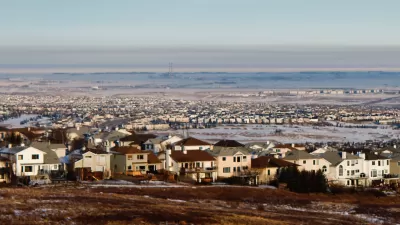
"The transformation of once-decrepit downtown neighbourhoods such as Vancouver’s Yaletown, Toronto’s Liberty Village and Montreal’s Griffintown into bustling modern burgs of condo-dwelling millennials only looks like the defining urbanization trend of the past decade," writes Konrad Yakabuski for the opinion section of The Globe and Mail.
Yakabuski continues: "While condo cranes dotting city skylines get all the attention, the real story in most Canadian cities remains the unabated growth of the suburbs. The ’burbs continue to draw tens of thousands of new residents every year compared to the few thousand or so who move downtown."
Here's the data Yakabuski uses to back his claim.
Between 2011 and 2016, according to an Environics Analytics analysis of census data, the population of Toronto’s suburbs grew by 7.7 per cent while the city proper grew by 4.5 per cent. In Vancouver, suburban growth outpaced the increase in the city 7.1 per cent to 4.6 per cent. In Montreal, the suburbs grew 5.3 per cent; the city, 2.9 per cent.
There's also no shortage of more less data-driven descriptions of the appeal of suburbs—relying on the traditional taking points about the appeal of large yards and good schools.
Read the full story: The real housing boom: The suburbs are where we want to be
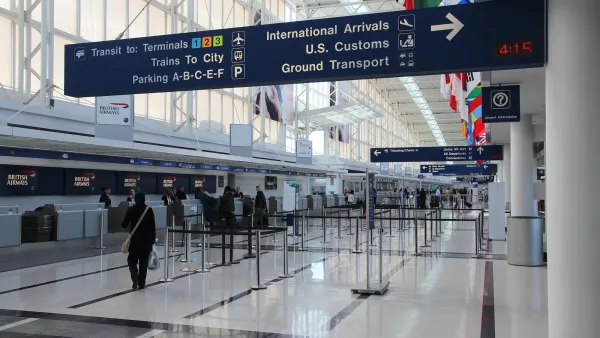
US Population Growth Slowest Since 2020 Due to Declining Immigration
Net international migration dropped from 2.7 million to 1.3 million in the year spanning July 2024 to July 2025.
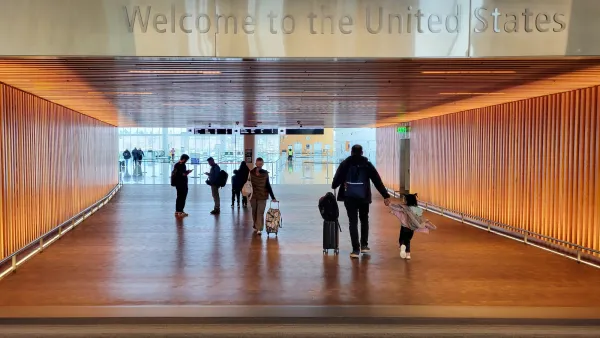
Adult Immigration to the US Dropped by Over 1.4M in 2025
Mass deportations and stricter immigration restrictions are causing a drop in new immigrants.

DOT Memo Directs Transportation Funding to Communities With Higher Marriage and Birth Rates, Compliance with Immigration Officials and No Mask Mandates
The memo ties immigration enforcement to federal funding and prohibits mask or vaccine mandates.

Planetizen Federal Action Tracker
A weekly monitor of how Trump’s orders and actions are impacting planners and planning in America.

California plans to bury El Niño’s downpour
If the state plays its cards right, it may be able to store a billion acre-feet of El Niño’s water in aquifers.

Desperate measures: Advocates weigh draining Lake Powell to fill Colorado River
Draining the reservoir could reduce evaporation losses by a couple hundred thousand acre-feet.

Chicago voters approve permanent festival grounds, penalty for vacant property owners
Currently, major summer and fall festivals take over public parks for weeks at a time, drawing criticism from nearby residents

NYC votes to cut outdoor dining red tape, speed up permitting
New York City also voted to allow the Department of Transportation to begin work on urgent projects before notifying elected officials.

California appears to reject Prop. 45
The proposition would have expanded the projects that qualify for a streamlined environmental review, effectively paring down the California Environmental Quality Act.

FREE Course: Walkable City 1: Why Walkability?
After describing his path towards focusing on walkability as the essence of good planning, Jeff Speck marches through his five principal reasons for making more walkable places.
Reinventing Malls: Planning Alchemy—Turning Gray Fields Into Gold
The course focuses on the opportunities and imperatives that shape reinvention of mall sites.

City of Rosemead
Rutgers University, Edward J. Bloustein School of Planning and Public Policy
One Hundred Miles
Hunter College, City University of New York (CUNY)
The Architects Foundation
University of Cincinnati Online
City of Cambridge
Montrose County
The Pocatello Development Authority