Housing prices may fall 10 percent on average nationwide, according to a preliminary estimate commissioned by the National Association of Realtors, if the Trump Administration's tac code reform package becomes law.



"U.S. Treasury Secretary Steven Mnuchin has taken pains to stress that the Trump administration isn’t out to kill Americans’ beloved mortgage-interest tax deduction -- but a side effect of the plan could turn it into a perk for only the wealthy," according to the lede of an article by Prashant Gopal and Joe Light that provides in-depth analysis on how proposed changes to the tax code would impact the way American's use the mortgage interest tax deduction, and the broader impact those changes would have on the residential housing sector.
Proposals to reform the country's tax code have been floated by both Republican leadership in Congress and the Trump Administration—though Gopal and Light focus on the tax reform package proposed by the Trump Administration at the end of April, which would "raise the standard federal deduction to a level where about 25 million homeowners would no longer take advantage of the [mortgage interest tax deduction]."
A married couple would need a home-loan balance of about $608,000 -- almost triple the mortgage on a median-priced U.S. home -- before using it would make sense, according to a new analysis by property-data provider Trulia. That would be up from about $322,000 today.
That tweak would not only affect the personal finances and asset management strategies for millions of America—it would also have a large-scale affect on the housing market. The article explains:
Without the incentives, along with a proposed end to local property-tax deductions, home sales may be hurt in cities where prices are rising quickly and buyers are stretching to afford their purchases, from Denver and Portland, Oregon, to Boston and Washington. Reduced demand would weigh on values, causing price declines nationwide, according to the National Association of Realtors, which opposes the change.
The aforementioned Trulia article, published at the end of April, identifies Portland, Oregon as the city where for-sale home listings would be most affected by the proposed changes. Honolulu has the largest share of households that would be affected by the change. Meanwhile, the financial advantage of owning a home compared to renting would erode most in the New York City metropolitan area and both major metropolitan areas in Wisconsin.
Gopal and Light supplement Trulia's analysis with soundbites from White House Spokeswoman Natalie Strom and Treasury Secretary Steven Mnuchin to make the case for the proposed changes to the tax code. On the other side of the debate, the article notes the opposition to the idea by the National Association of Realtors, which has a large lobbying budget in Washington, D.C.
FULL STORY: 25 Million Americans Could Find Mortgage Tax Break Useless Under Trump’s Plan

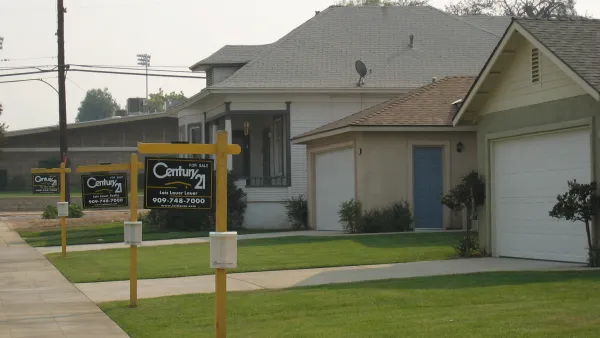
Changes to Mortgage Interest Deduction Cap Still on the Table
One hot button item to watch as Congress takes up the issue of tax reform in the coming weeks: whether Republicans are able to follow through on a promise to reform the mortgage interest deduction.
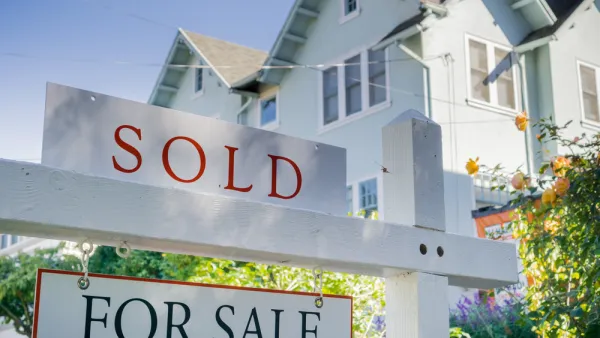
Home Prices, Demand on Downward Trajectory
The once-overheated housing market continues to cool as rising interest rates reduce demand.

Seven Charts Highlight the Strangeness of the Housing Market
The unique conditions created during the last few years have upended the U.S. housing market and led to some unusual trends.

Planetizen Federal Action Tracker
A weekly monitor of how Trump’s orders and actions are impacting planners and planning in America.

The state-sanctioned urbicide of Austin
People don’t kill cities. Freeways do.

US to reduce Colorado River water deliveries to Mexico
A new Colorado Treaty amendment reduces Mexico’s Colorado River water allocation by 250,000 acre feet.

Baltimore to break ground on $50 million Transit Priority Project
The project will bring faster bus trips, safer streets and better bike connections to Baltimore.

Airbnb launches $250 million 'last-dollar financing' housing accelerator, makes first investment in Austin
The company will put $6.4 million towards affordable housing development in Texas’ capital.

Guerilla urbanists are building DIY bus stop benches in Chicago
A before-and-after of one of the bus stops with a new bench. The new benches are not officially sanctioned or permitted, but the residents who placed them hope they will be the start of a network of DIY benches across the city.

FREE Course: Walkable City 1: Why Walkability?
After describing his path towards focusing on walkability as the essence of good planning, Jeff Speck marches through his five principal reasons for making more walkable places.
Reinventing Malls: Planning Alchemy—Turning Gray Fields Into Gold
The course focuses on the opportunities and imperatives that shape reinvention of mall sites.

Eagle County Government
Harvard University Graduate School of Design
Nashville Planning Department
The Architects Foundation
University of Cincinnati Online
The Pocatello Development Authority
The Urban Renewal Agency of the City of Pocatello
Journal of the American Planning Association