The "back to the city" narrative might make for good headlines, but an analysis of California's growth patterns tell a different story. Take San Diego County as an example.



Alon Levy digs into the latest data for population growth in California, finding a different reading about growth in San Diego County. The county grew faster than the rest of the state, but "there is a long-term threat facing the county within its population growth trends," writes Levy.
Rich suburbs have no more room and are experiencing low population growth. Meanwhile, the highest growth in San Diego County is in lower middle-income Vista. Viewed together, these two trends show how poor transportation and growth-restricting zoning limit the county’s access to good jobs.
According to Levy, it's a pattern repeated around the state, where "big cities have outgrown their counties." Meanwhile smaller cities and rich suburbs that could accommodate more growth aren't doing so.
The San Diego case study focuses on the city of Vista, which Levy describes as the frontier of growth in the county. There, the future of growth in California would be "exurban, lower middle-class but not impoverished, low-income but not desperate," and, Levy writes, not that exciting when compared to the "back to the city" narrative popular among many urbanists.
Read the full story: Vista Is the New Frontier for Growth in San Diego
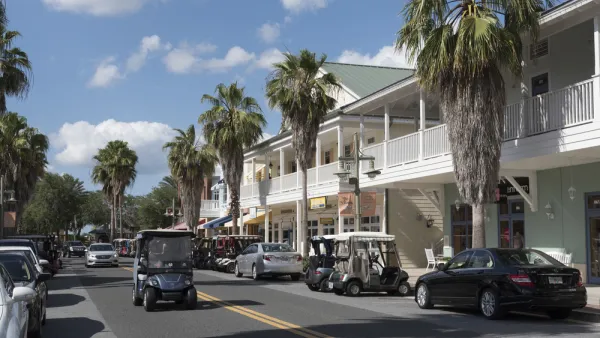
What Central Florida's Population Growth Reveals About U.S. Real Estate Trends
Big trends—a geographic shift back to the suburban and exurban areas and a "silver tsunami"—are apparent in population figures for two Florida locations.

Is Big City Growth Here to Stay?
In this opinion piece, Brookings demographer William H. Frey looks at three years of census data and discusses whether urban growth will stay through the decade or whether the U.S. will return to its traditional, post-War suburban growth patterns.
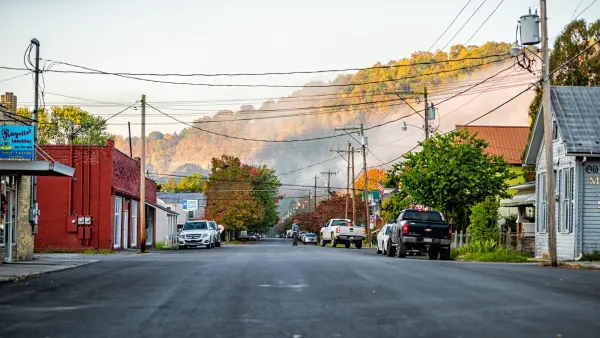
The categorization conundrum of the American exurbs
Exurban counties exemplify the shortcomings of defining rural at the county level.

Planetizen Federal Action Tracker
A weekly monitor of how Trump’s orders and actions are impacting planners and planning in America.

California plans to bury El Niño’s downpour
If the state plays its cards right, it may be able to store a billion acre-feet of El Niño’s water in aquifers.

Desperate measures: Advocates weigh draining Lake Powell to fill Colorado River
Draining the reservoir could reduce evaporation losses by a couple hundred thousand acre-feet.

Chicago voters approve permanent festival grounds, penalty for vacant property owners
Currently, major summer and fall festivals take over public parks for weeks at a time, drawing criticism from nearby residents

NYC votes to cut outdoor dining red tape, speed up permitting
New York City also voted to allow the Department of Transportation to begin work on urgent projects before notifying elected officials.

California appears to reject Prop. 45
The proposition would have expanded the projects that qualify for a streamlined environmental review, effectively paring down the California Environmental Quality Act.

FREE Course: Walkable City 1: Why Walkability?
After describing his path towards focusing on walkability as the essence of good planning, Jeff Speck marches through his five principal reasons for making more walkable places.
Reinventing Malls: Planning Alchemy—Turning Gray Fields Into Gold
The course focuses on the opportunities and imperatives that shape reinvention of mall sites.

City of Rosemead
Rutgers University, Edward J. Bloustein School of Planning and Public Policy
One Hundred Miles
Hunter College, City University of New York (CUNY)
The Architects Foundation
University of Cincinnati Online
City of Cambridge
Montrose County
The Pocatello Development Authority