Exurban Growth
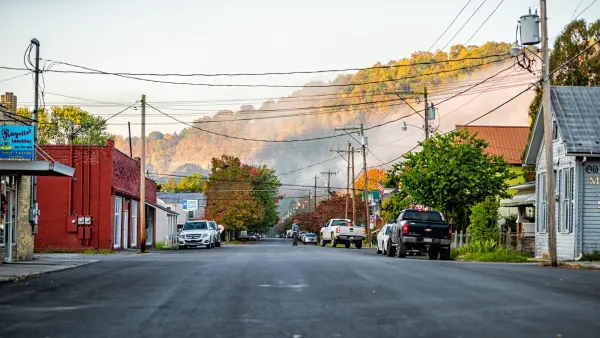
The categorization conundrum of the American exurbs
Exurban counties exemplify the shortcomings of defining rural at the county level.

Cities in the South and West Keep Sprawling
New suburbs continue to expand into previously undeveloped areas, putting strain on local resources.
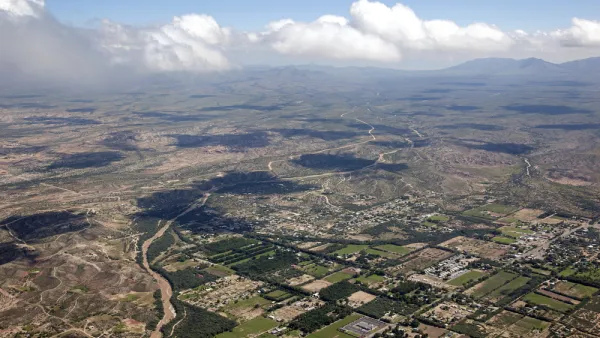
Clean Water Rule's Repeal Could Have Consequences for Sprawling Development in Arizona
A recent decision by the Trump administration regarding the Waters of the United States Rule is changing the legal calculus of a plan to add 28,000 homes in the city of Benson, located southwest of Tucson.
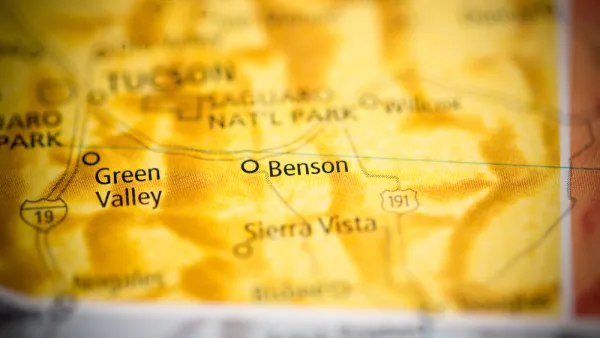
28,000 Homes Planned for Desert Southeast of Tucson
A master planned community would add 70,000 new residents to a city of 5,000 located southeast of Tucson, Arizona. Local and regional environmental groups don't think the environmental risks of the development have been properly considered.
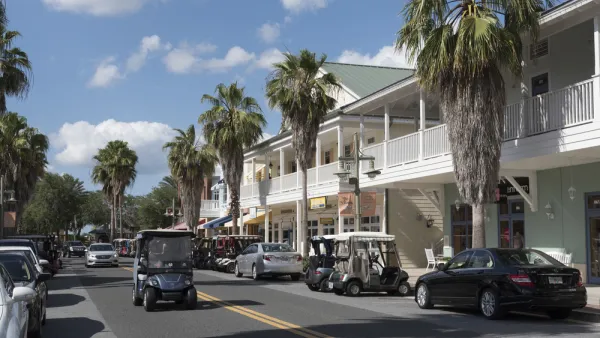
What Central Florida's Population Growth Reveals About U.S. Real Estate Trends
Big trends—a geographic shift back to the suburban and exurban areas and a "silver tsunami"—are apparent in population figures for two Florida locations.

California Growth Shows an Exurban Pattern
The "back to the city" narrative might make for good headlines, but an analysis of California's growth patterns tell a different story. Take San Diego County as an example.
Is Big City Growth Here to Stay?
In this opinion piece, Brookings demographer William H. Frey looks at three years of census data and discusses whether urban growth will stay through the decade or whether the U.S. will return to its traditional, post-War suburban growth patterns.
NYT Editorial Welcomes The End Of Sprawl
The NYT editorializes on the just-released April 2010-July 2011 census data that shows a notable slow-down in exurban growth as urban growth increased. Pointing to the problems that accompanied America's embrace of sprawl, they welcome the change.

FREE Course: Walkable City 1: Why Walkability?
After describing his path towards focusing on walkability as the essence of good planning, Jeff Speck marches through his five principal reasons for making more walkable places.
Reinventing Malls: Planning Alchemy—Turning Gray Fields Into Gold
The course focuses on the opportunities and imperatives that shape reinvention of mall sites.

City of Rosemead
Rutgers University, Edward J. Bloustein School of Planning and Public Policy
One Hundred Miles
University of Michigan School for Environment and Sustainability (SEAS)
Hunter College, City University of New York (CUNY)
The Architects Foundation
City of Cambridge
The Pocatello Development Authority
The Urban Renewal Agency of the City of Pocatello









