The findings of a recent study reveals the effects of transportation network companies to be the enemy of all forms of alternative transportation—far from the urban savior some hope they'll be.


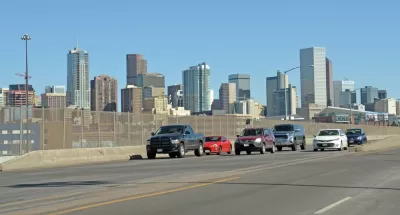
David Sachs the reports on a new study by a Alejandro Henao, a PhD candidate at the University of Colorado that will be of interest to anyone tracking the impact of transportation network companies (TNCs) like Uber and Lyft on mode choice and congestion.
"Ride-sourcing companies like Uber and Lyft add tons of traffic to Denver and Boulder streets, and make the transportation system less efficient by cannibalizing transit, biking, and walking trips," according to Sachs's summary of the study.
The findings of Henao's study offer resistance to the predictions offered by a study by MIT's Computer Science and Artificial Intelligence Laboratory in January, which found carpool services operated by TNCs could reduce the number of vehicles on the road by 75 percent.
The debate will likely continue.
Read the full story: Study: Uber and Lyft Add Traffic, Reduce Efficiency on Denver and Boulder Roads
Study: Ride-Sharing Increases Urban Congestion
New research shows that ride sharing contributes to increased congestion and decreased transit ridership.
Report: Ride-Hailing Drastically Increases Vehicle Miles Traveled
New research published in Transport Policy finds that ride-hailing companies increase vehicle miles traveled of users by 97 percent in Chicago, 114 percent in New York City, and 118 percent in San Francisco.
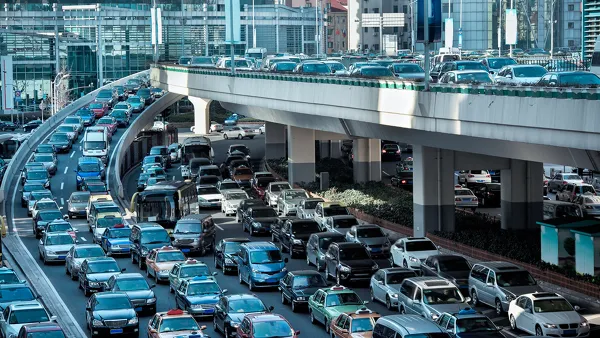
How Much of Traffic is Created by Uber and Lyft?
New data from Fehr & Peers shows services like Uber and Lyft account for a larger share of the total traffic than previously thought, especially in city centers.

Planetizen Federal Action Tracker
A weekly monitor of how Trump’s orders and actions are impacting planners and planning in America.

Eastern Nebraska is running out of electricity
Data centers and electrification are straining eastern Nebraska’s grid, throttling economic development.

Study reveals best places in the U.S. for cycling, walking
New research from Streetlight Data examines bicycle and pedestrian miles per capita in the 100 largest U.S. cities by population.

Officials look to alter BART extension as price goes through the roof
Tariffs and the war with Iran are behind the rising cost.

To power data centers, Utah company may build hundreds of nuclear reactors on state land
In its permit application, Valar asked for the county to confirm that changes within its outlined plan would still be covered by the permit.

San Antonio is using environmental review to stall ICE detention center
San Antonio sued last month to pause work on the new detention center until the federal government studied its effect on the surrounding area.

FREE Course: Walkable City 1: Why Walkability?
After describing his path towards focusing on walkability as the essence of good planning, Jeff Speck marches through his five principal reasons for making more walkable places.
Reinventing Malls: Planning Alchemy—Turning Gray Fields Into Gold
The course focuses on the opportunities and imperatives that shape reinvention of mall sites.

City of Charlotte
City of Rosemead
Rutgers University, Edward J. Bloustein School of Planning and Public Policy
University of Michigan School for Environment and Sustainability (SEAS)
Hunter College, City University of New York (CUNY)
The Architects Foundation
City of Cambridge
The Pocatello Development Authority
The Urban Renewal Agency of the City of Pocatello