Local and regional transportation planners responded skeptically to data from the Texas Department of Transportation showing Texans driving less.


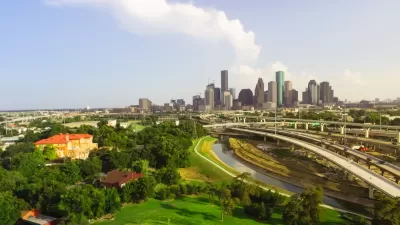
"According to Texas DOT’s data, the average Texan is driving less every day, and Dallas, Tarrant, and Harris counties saw a decline in total driving mileage, even though they added millions of people," according to an article by Jay Blazek Crossley to summarize revelations made in earlier coverage.
The current article digs deeper into the implications of the data for growth in Texas. First, however, Crossley considers the question of whether the data can even be trusted. Count Alan Clark, transportation planning director of the Houston-Galveston Area Council (H-GAC), among those who believes TxDOT's data to be erroneous.
Clark believes that TXDOT traffic data does not accurately reflect how much people are driving in his region, and he’s worried that TXDOT will use this possibly flawed data to shortchange Houston out of several billion dollars in transportation funds that will be spent elsewhere in the state.
According to Crossley, Clark is not alone in his reluctance to accept the idea that Texas residents have drastically changed their travel habits. Meanwhile, how the state plans for its future, with new funding enabled by Prop 7, as approved by Texas voters in November 2015.
FULL STORY: Is Something Wrong With TXDOT’s Data on Driving?

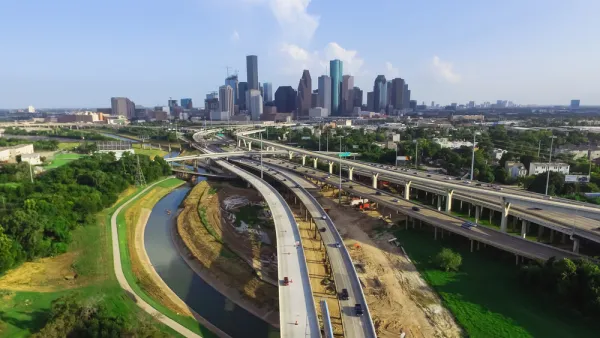
Rising Costs Threaten TxDOT’s $85 Billion Highway-Building Plans
Texas Transportation Commissioners must have a hangover—backing off its highway building ambitions just a few months after approving the $85 billion Unified Transportation Plan in August 2022.
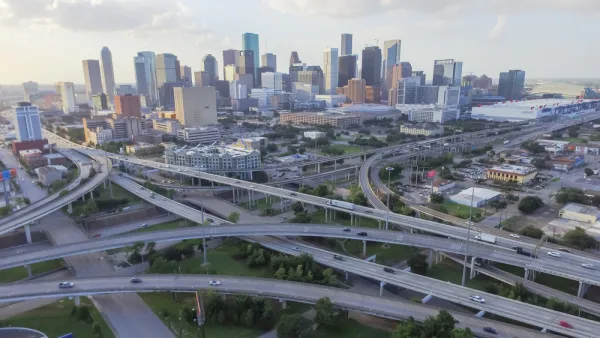
TxDOT Approves I-45 Widening Despite Local Opposition
Despite every manner of local opposition, the Texas Department of Transportation is pushing forward with a plan to widen Interstate 45 north of the city of Houston, demolishing and displacing thousands of homes, businesses, and community facilities.
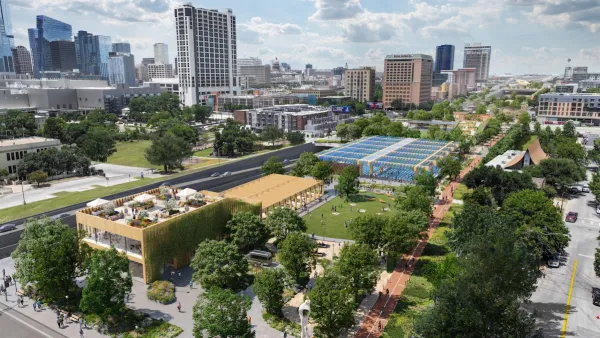
Austin’s Vision for I-35 Cap Parks Takes Final Shape
The city’s plan includes parks, entertainment pavilions, commercial space, sports fields, and other facilities over 30 acres of deck parks spanning a sunken Interstate 35.

Planetizen Federal Action Tracker
A weekly monitor of how Trump’s orders and actions are impacting planners and planning in America.

The state-sanctioned urbicide of Austin
People don’t kill cities. Freeways do.

US to reduce Colorado River water deliveries to Mexico
A new Colorado Treaty amendment reduces Mexico’s Colorado River water allocation by 250,000 acre feet.

Mamdani overhauls NYC's Vision Zero plan with 100 new policy goals
The overhaul aims to reduce traffic deaths and make streets safer for pedestrians, cyclists and drivers through lower speed limits, new safety infrastructure and more.

Amtrak not solely to blame for New Jersey commuter rail's unreliability, report finds
A new study from the Garden State Initiative found that NJ Transit’s budget grew 20% across a 4 year period, but reliability declined significantly over the same period.

EPA erases limits on planet-warming pollution from power plants
Under Monday’s plan, power plants would still have some limits on how much mercury, arsenic and other contaminants they can emit.

FREE Course: Walkable City 1: Why Walkability?
After describing his path towards focusing on walkability as the essence of good planning, Jeff Speck marches through his five principal reasons for making more walkable places.
Reinventing Malls: Planning Alchemy—Turning Gray Fields Into Gold
The course focuses on the opportunities and imperatives that shape reinvention of mall sites.

Eagle County Government
Harvard University Graduate School of Design
Nashville Planning Department
The Architects Foundation
University of Cincinnati Online
The Pocatello Development Authority
The Urban Renewal Agency of the City of Pocatello
Journal of the American Planning Association