Apparently to galvanize public support, the Colorado Department of Transportation and an Ohio chamber of commerce have produced videos touting the benefits of widening projects for low-income communities.


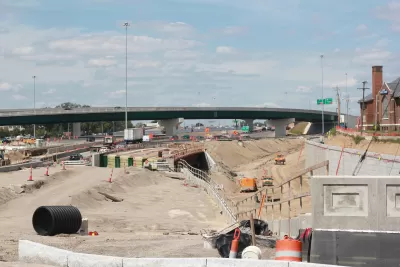
In what Angie Schmitt has dubbed "highway propaganda," the Colorado DOT has spent over $80,000 to produce a half-hour promo video for its I-70 expansion project. A shorter production has also emerged from an Ohio chamber of commerce, promoting the Opportunity Corridor.
In Colorado, "the I-70 project will replace 12 miles of aging highway with a new highway, adding four lanes in the process. Because 900 feet of the new highway trench will be covered with a park, the CDOT video helpfully explains that the widening is really all about doing right by immigrant neighborhoods — not moving traffic. Many residents affected by the project beg to differ."
After their widespread vilification in many circles, big roads are resorting to overt public relations. The argumentative thrust of these videos is something like: "This highway isn't like the bad highways of the past — a new breed of road builder has figured out how to make asphalt and traffic lanes work wonders for struggling neighborhoods."
See the full story to watch the videos.
FULL STORY: Highway Propaganda Vids Sell City Residents on the Wonders of Wider Roads

Denver's I-70 Expansion Undercuts Alternatives
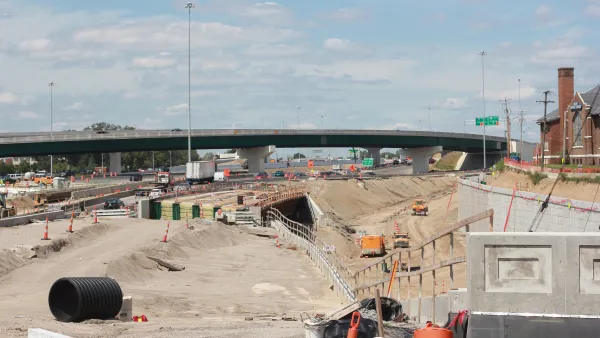
To fund a wider I-70 on its route through Denver, the regional planning commission set aside $50 million in federal funds before considering other projects.
Freeway Expansions Continue to Threaten Black and Brown Communities
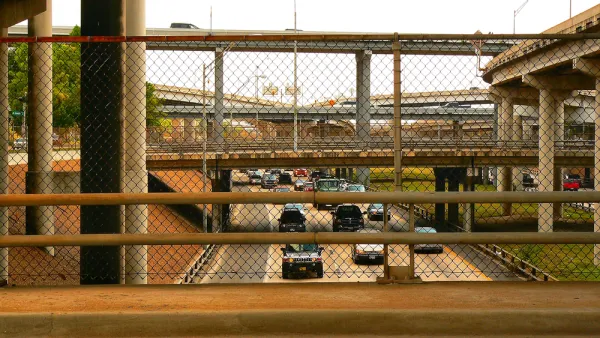
Despite calls to center equity in infrastructure projects, highway construction and expansion still disproportionately impacts communities of color, according to a Los Angeles Times investigation.
Induced Demand: Why Highways Still Reign in Dallas
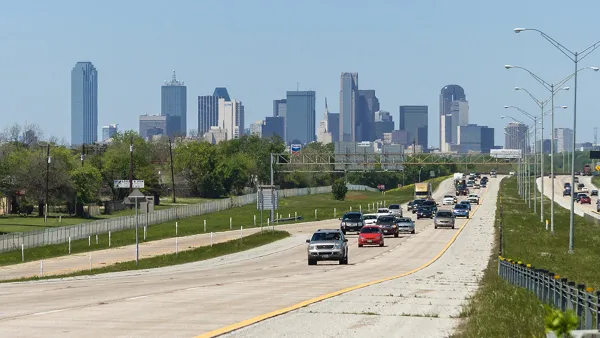
Regional planners and Dallas officials aren't confident that the area's highway-centric worldview (and budget) will change anytime soon. The city's competitiveness in the national job market may be on the line.

The state-sanctioned urbicide of Austin
People don’t kill cities. Freeways do.

US to reduce Colorado River water deliveries to Mexico
A new Colorado Treaty amendment reduces Mexico’s Colorado River water allocation by 250,000 acre feet.

New Jersey’s second-largest city bans standalone data centers
Jersey City will continue to allow co-location facilities, such as those meant for research institutions that store their own data.

Amtrak not solely to blame for New Jersey commuter rail's unreliability, report finds
A new study from the Garden State Initiative found that NJ Transit’s budget grew 20% across a 4 year period, but reliability declined significantly over the same period.

EPA erases limits on planet-warming pollution from power plants
Under Monday’s plan, power plants would still have some limits on how much mercury, arsenic and other contaminants they can emit.

Phoenix announces new on-demand transit service, more frequent RAPID buses
Both new services will launch in October, and are part of Phoenix's Project Effective Access Solutions for Easing Congestion.

FREE Course: Walkable City 1: Why Walkability?
After describing his path towards focusing on walkability as the essence of good planning, Jeff Speck marches through his five principal reasons for making more walkable places.
Reinventing Malls: Planning Alchemy—Turning Gray Fields Into Gold
The course focuses on the opportunities and imperatives that shape reinvention of mall sites.

Eagle County Government
Harvard University Graduate School of Design
Nashville Planning Department
The Architects Foundation
University of Cincinnati Online
The Pocatello Development Authority
The Urban Renewal Agency of the City of Pocatello
Journal of the American Planning Association