A new whitepaper outlines solutions for improving the resiliency and sustainability of coastal cities around the world—using Red Hook, Brooklyn as a case study.


More than 600 million people call the world's coastal cities home, but those areas face dramatic challenges to their sustainability—especially from climate change and rising sea levels. This issue was the subject of a multi-day co-creative exercise organized by the BASF Corporation, which pulled together a wide variety of stakeholders—including local residents and businesses, artists, scientists, engineers, and more—in Red Hook, Brooklyn. What emerged from these deliberations were a number of proposed solutions that apply both to Red Hook and coastal cities around the world.
Solutions outlined in the whitepaper include the establishment of a network of green corridors, the creation of a new coastal park, and the development of a model 'block' that could serve as a template for the creation of a a sustainable, equitable, and resilient community.
Read the full story: Co-creating solutions for urban neighborhoods in coastal cities: A look at Red Hook, Brooklyn, NY
How US Cities Can Prepare for Climate Disasters
Resilience, encompassing infrastructure, governance, economic strength, and social cohesion, is critical for cities to mitigate rising climate risks like flooding, wildfires, and heat, ensuring long-term recovery and adaptability.

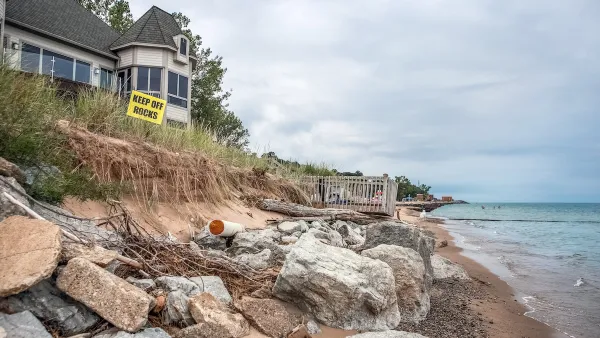
Climate Change Putting Coastal Infrastructure at Risk
More than 1,000 coastal facilities could flood as often as once a month as sea levels rise, according to a study from the Union of Concerned Scientists.
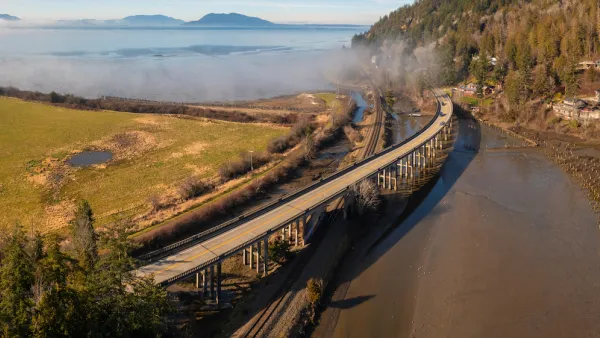
Washington Tribes Receive Resilience Funding
The 28 grants support projects including relocation efforts as coastal communities face the growing impacts of climate change.

Planetizen Federal Action Tracker
A weekly monitor of how Trump’s orders and actions are impacting planners and planning in America.

California plans to bury El Niño’s downpour
If the state plays its cards right, it may be able to store a billion acre-feet of El Niño’s water in aquifers.

Desperate measures: Advocates weigh draining Lake Powell to fill Colorado River
Draining the reservoir could reduce evaporation losses by a couple hundred thousand acre-feet.

Los Angeles just elected an urban planner as its mayor
Transportation analysts are optimistic that Raman will be more aggressive in addressing transit issues than Bass.

Mamdani’s pied-à-terre tax survives legal challenge
A panel of judges found that the plaintiffs failed to demonstrate injury as a result of New York City's implementation of the tax.

Eastern Nebraska is running out of electricity
Data centers and electrification are straining eastern Nebraska’s grid, throttling economic development.

FREE Course: Walkable City 1: Why Walkability?
After describing his path towards focusing on walkability as the essence of good planning, Jeff Speck marches through his five principal reasons for making more walkable places.
Reinventing Malls: Planning Alchemy—Turning Gray Fields Into Gold
The course focuses on the opportunities and imperatives that shape reinvention of mall sites.

City of Rosemead
Rutgers University, Edward J. Bloustein School of Planning and Public Policy
One Hundred Miles
University of Michigan School for Environment and Sustainability (SEAS)
Hunter College, City University of New York (CUNY)
The Architects Foundation
City of Cambridge
Montrose County
The Pocatello Development Authority