The 28 grants support projects including relocation efforts as coastal communities face the growing impacts of climate change.


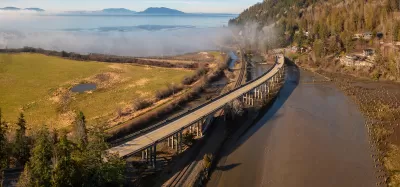
“More than $32 million is coming to tribal nations and organizations for projects intended to combat the disproportionate effects of climate change on Indigenous communities in Washington,” reports Isabella Breda in The Seattle Times. The funding comes via the Bureau of Indian Affairs’ Tribal Climate Resilience Program.
The grants will support a wide range of projects such as studies of ocean acidification on fish and moving communities and infrastructure to higher ground to avoid sea level rise. “The grants will help tribes like the Samish, Swinomish and Lower Elwha Klallam build on existing climate adaptation plans. The money will allow the Lummi, Tulalip, Stillaguamish and others to lead habitat restoration projects and research on how climate change is affecting finfish, shellfish and other wildlife.”
The article notes several other projects, which all aim to make tribal communities more resilient to the impacts of climate change.
Read the full story: More than $32M coming to WA tribes to adapt to climate change

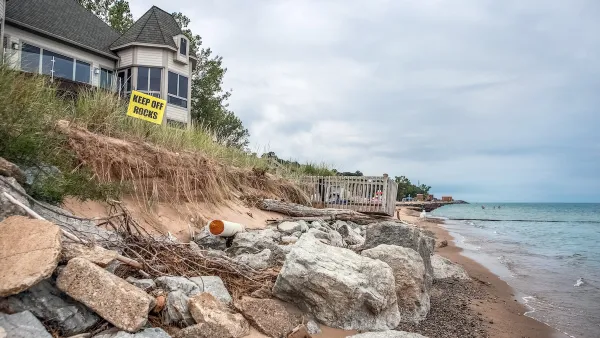
How US Cities Can Prepare for Climate Disasters
Resilience, encompassing infrastructure, governance, economic strength, and social cohesion, is critical for cities to mitigate rising climate risks like flooding, wildfires, and heat, ensuring long-term recovery and adaptability.
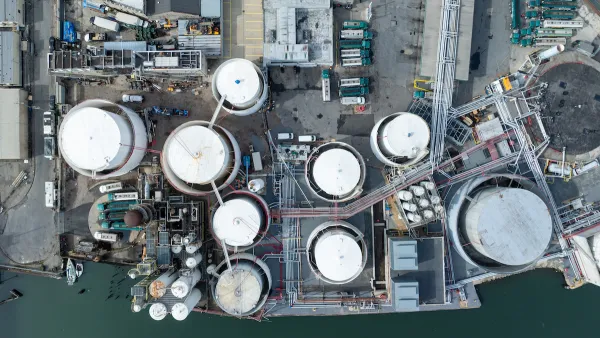
Climate Change Putting Coastal Infrastructure at Risk
More than 1,000 coastal facilities could flood as often as once a month as sea levels rise, according to a study from the Union of Concerned Scientists.
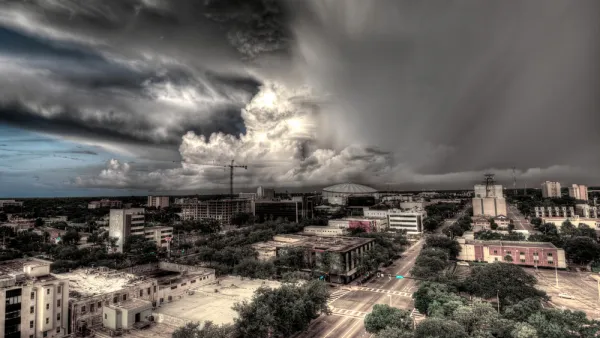
Resilience and Affordable Housing Key Topics at Florida Conference
The conference brought together local planners and policymakers to develop strategies for boosting resilience in coastal areas while maintaining affordable housing stock.

Planetizen Federal Action Tracker
A weekly monitor of how Trump’s orders and actions are impacting planners and planning in America.

The state-sanctioned urbicide of Austin
People don’t kill cities. Freeways do.

Colorado’s Largest Data Center Could Rise Next to Homes — Without a Public Hearing
The proposed campus would consume 11 times the power of Denver International Airport; as it has across the country, opposition mounts.

Nation's most wind-powered state turns to coal as data centers increase energy demand
For the first time in decades, Iowa has increased its generation of coal power.

NYC cools commuters with city's first rain garden above a bus stop
New York City officials say the plants in the rain garden can absorb 16 gallons of rainwater during heavy storms.

Brightline West’s future may rely on $6 billion federal loan
The company has until Nov. 2 to make a $400 million equity investment into its proposed high-speed rail line.

FREE Course: Walkable City 1: Why Walkability?
After describing his path towards focusing on walkability as the essence of good planning, Jeff Speck marches through his five principal reasons for making more walkable places.
Reinventing Malls: Planning Alchemy—Turning Gray Fields Into Gold
The course focuses on the opportunities and imperatives that shape reinvention of mall sites.

Greater Baltimore Committee
Eagle County Government
Harvard University Graduate School of Design
The Architects Foundation
University of Cincinnati Online
The Pocatello Development Authority
The Urban Renewal Agency of the City of Pocatello
Journal of the American Planning Association