The conference brought together local planners and policymakers to develop strategies for boosting resilience in coastal areas while maintaining affordable housing stock.


A conference organized by the Tampa Bay Regional Planning Council (TBRPC) and other partners “focused on proactively determining new strategies and approaches to ensure new housing construction is affordable and resilient to increasing flood risks and a changing climate,” according to an article by Mark Parker in the St. Pete Catalyst.
“Climate change and sea-level rise present an incredible additional layer of challenges to the housing situation, said [St. Petersburg City Councilmember Brandi Gabbard]. Especially in St. Petersburg, where much of the city exists within a coastal high hazard zone.”
The Resilience and Energy Assessment of Communities and Housing (REACH) conference highlighted the importance of tying housing affordability to resilience efforts. “In addition to topics such as reducing energy costs through efficiency, an update on the Pinellas Countywide Housing Compact and new information released in partnership with the University of Florida identifying area flooding ‘hotspots,’ a key part of the conference was the unveiling of the Keep Safe Florida program for property owners and managers.” According to the article, “The program provides easily accessible tools to assess a development’s vulnerability to climate-related events, specialized training and assistance to develop action plans and implement assessment recommendations. It also provides a funding resource guide to help implement resilience strategies.”
FULL STORY: REACH conference highlights the need for resiliency in affordable housing

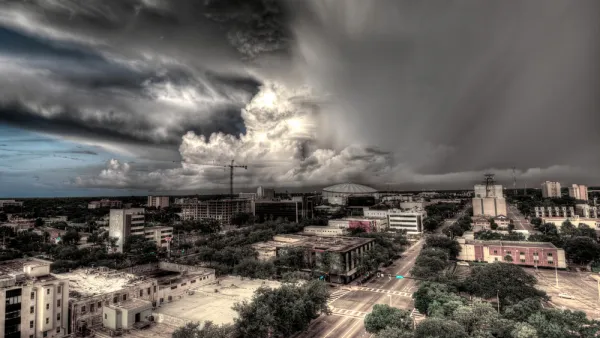
A Hurricane in Tampa Bay Could Surpass Katrina's Destruction
It's been a century since a hurricane larger than category three has scored a direct hit on the Tampa Bay region. If a storm arrives to change that streak of luck, it will find a region severly underprepared to deal with the effects of sea-level rise
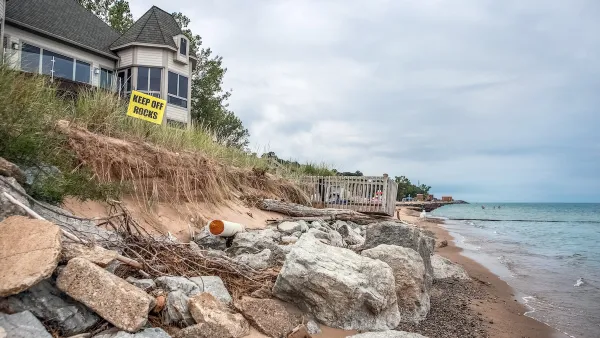
How US Cities Can Prepare for Climate Disasters
Resilience, encompassing infrastructure, governance, economic strength, and social cohesion, is critical for cities to mitigate rising climate risks like flooding, wildfires, and heat, ensuring long-term recovery and adaptability.
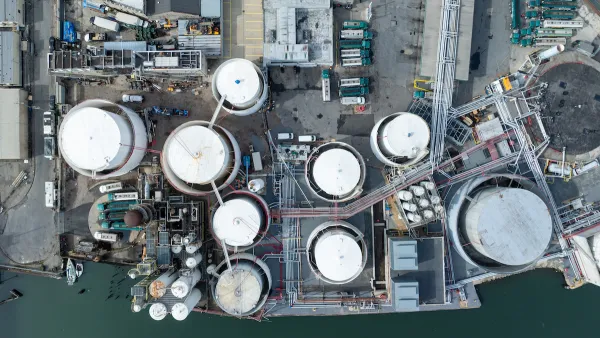
Climate Change Putting Coastal Infrastructure at Risk
More than 1,000 coastal facilities could flood as often as once a month as sea levels rise, according to a study from the Union of Concerned Scientists.

Planetizen Federal Action Tracker
A weekly monitor of how Trump’s orders and actions are impacting planners and planning in America.

The state-sanctioned urbicide of Austin
People don’t kill cities. Freeways do.

US to reduce Colorado River water deliveries to Mexico
A new Colorado Treaty amendment reduces Mexico’s Colorado River water allocation by 250,000 acre feet.

LA Metro’s ultimatum: no extra buses for LA28 if federal funding isn’t imminently secured
If Metro does not provide additional buses, LA28 organizers will have to find a new way to manage Olympic traffic. LA28’s budget does not include a line item for transit.

Colorado’s Largest Data Center Could Rise Next to Homes — Without a Public Hearing
The proposed campus would consume 11 times the power of Denver International Airport; as it has across the country, opposition mounts.

5 New England states march closer to 800 megawatt wind energy project
Securing federal approval for the project may be complicated under the Trump administration, which has historically been hostile towards domestic wind power.

FREE Course: Walkable City 1: Why Walkability?
After describing his path towards focusing on walkability as the essence of good planning, Jeff Speck marches through his five principal reasons for making more walkable places.
Reinventing Malls: Planning Alchemy—Turning Gray Fields Into Gold
The course focuses on the opportunities and imperatives that shape reinvention of mall sites.

Eagle County Government
Harvard University Graduate School of Design
Nashville Planning Department
The Architects Foundation
University of Cincinnati Online
The Pocatello Development Authority
The Urban Renewal Agency of the City of Pocatello
Journal of the American Planning Association