Black residents of Chicago are leaving for cities like Atlanta in massive numbers—away from the waves of crime tearing apart their hometown.


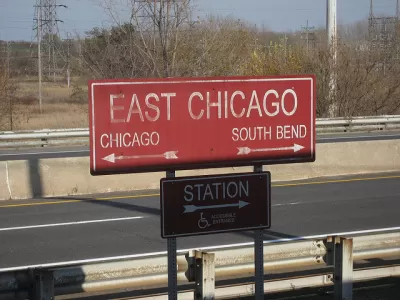
William Lee describes the crime and poverty driving black residents away from Chicago, where he lives in the South Side neighborhood of South Shore. According to Lee, "a multitude of black residents have called it quits with their hometown, searching for safety and prosperity beyond the city limits — my own friends and family among them." Lee adds: "It's been a humbling experience watching as those worlds, those communities filled with stable families and businesses, crumble into the dust." The data also backs up the personal anecdotes shared by Lee: the city lost 181,000 black residents between 2000 and 2010, according to the U.S. Census.
The article weaves more personal anecdotes with the research and data that describes the demographic trends at work in Chicago. The persistent theme that runs throughout the article: crime and its terrible effects on the communities of Chicago.
Read the full story: A crumbling, dangerous South Side creates exodus of black Chicagoans

The 'New Great Migration' Picks Up Pace
Recent American Community Survey data solidifies an underappreciated pattern of migration in the United States: a reversal of the Great Migration of the 20th century, when an estimate 5 million Black Americans left the South.
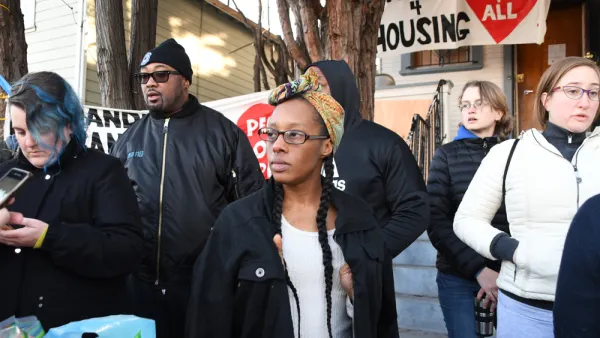
Pandemic Uncertainties Could Push Even More Black Residents Out of the Urban Bay Area
Add the coronavirus pandemic to an already deeply troubled housing market and the Bay Area has a recipe for even more displacement in a region already facing a massive demographic shift.
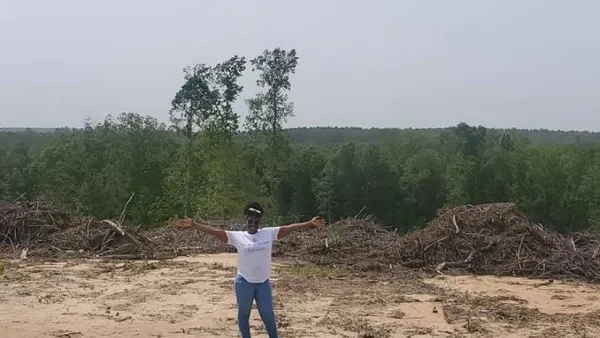
The Freedom Georgia Initiative Buys 97 Acres to Build a New Black Community
Inspired by the killing of Ahmaud Arbery and a speech by rapper Killer Mike, a group of Black families is investing from the ground up in a new community that prioritizes the safety and financial empowerment of Black residents.

Planetizen Federal Action Tracker
A weekly monitor of how Trump’s orders and actions are impacting planners and planning in America.

California plans to bury El Niño’s downpour
If the state plays its cards right, it may be able to store a billion acre-feet of El Niño’s water in aquifers.

Desperate measures: Advocates weigh draining Lake Powell to fill Colorado River
Draining the reservoir could reduce evaporation losses by a couple hundred thousand acre-feet.

Chicago voters approve permanent festival grounds, penalty for vacant property owners
Currently, major summer and fall festivals take over public parks for weeks at a time, drawing criticism from nearby residents

NYC votes to cut outdoor dining red tape, speed up permitting
New York City also voted to allow the Department of Transportation to begin work on urgent projects before notifying elected officials.

California appears to reject Prop. 45
The proposition would have expanded the projects that qualify for a streamlined environmental review, effectively paring down the California Environmental Quality Act.

FREE Course: Walkable City 1: Why Walkability?
After describing his path towards focusing on walkability as the essence of good planning, Jeff Speck marches through his five principal reasons for making more walkable places.
Reinventing Malls: Planning Alchemy—Turning Gray Fields Into Gold
The course focuses on the opportunities and imperatives that shape reinvention of mall sites.

City of Rosemead
Rutgers University, Edward J. Bloustein School of Planning and Public Policy
One Hundred Miles
Hunter College, City University of New York (CUNY)
The Architects Foundation
University of Cincinnati Online
City of Cambridge
Montrose County
The Pocatello Development Authority