After an eight-hour debate, the Rhode Island House of Representatives approved controversial truck-only toll legislation that will make Rhode Island the only state to apply tolls to large trucks but not other motor vehicles.


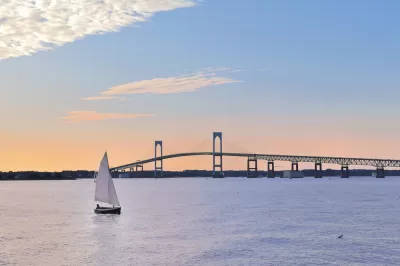
After a ''marathon session" that ended just before 11 p.m. on Feb. 10, the Rhode Island House of Representatives voted 52-21 to approve Gov. Gina Raimondo's truck toll bill, writes Tony Gugliotta for NBC News 10.
The House, which last year blocked a similar bill, has been the biggest hurdle for the toll plan. The tolls would help raise money for a 10-year project to repair deteriorating bridges.
"According to 2014 Federal Highway Administration (FHWA) data, over 50 percent of this state's bridges are considered deficient, either structurally or functionally," notes an earlier post, giving the Ocean State the dubious title of having the worst bridges in the country.
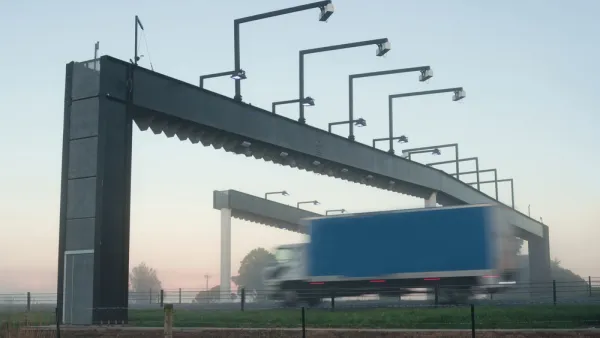
In addition to being vigorously opposed by the trucking industry (see the news video showing large trucks driving by the capitol carrying signs opposing the bill), the cameras mounted above the toll gantries created a privacy concern for many of the legislators.
It can really create a detailed reading of your comings and goings throughout the day, throughout the week, throughout the month (and) throughout the year," said Hillary Davis of the ACLU.
"If the legislation wins final approval, Rhode Island would become the only state to create a truck-only tolling system, though many East Coast states have tolls that make large commercial trucks pay higher rates," adds Gugliotta.
The bill passed the Senate on Thursday after a mere three hours of debate, by comparison, reports AP via WPRO.
Raimondo signed the bill that day, "declaring victory in a high-pitched legislative battle that has dominated state politics for the past nine months," write reporters for WRPI.
The proposed legislation, dubbed RhodeWorks, would fund a multiyear surge of bridge repairs through two mechanisms: borrowing $300 million against future federal highway funding, as well as refinancing old borrowing to yield an additional $120 million; and imposing a new toll on large commercial trucks, projected to yield $45 million a year."
Hat tip to AASHTO Daily Journal
FULL STORY: Rhode Island House approves truck toll bill

Nation's First Truck-Only Toll Program Off to Auspicious Start
After the Rhode Island General Assembly passed controversial legislation in February 2016 spearheaded by Gov. Gina Raimondo (D), the first two of what will be 13 truck-only toll gantries became operational on June 11. Results are looking good.

Truck Tolls Wins (Indirectly) on Election Day
Tolls were not on state ballots like gas taxes and transportation sales taxes on Nov. 6, but surrogates for and against truck-only tolling participated in two gubernatorial elections in New England, and the results will give no joy to truckers.
Scrambling to Replace the Heavily Used West Seattle Bridge
The West Seattle High-Rise Bridge Safety Project is in high gear, more than six months after the city's most heavily trafficked bridge was closed suddenly for safety risks.

The state-sanctioned urbicide of Austin
People don’t kill cities. Freeways do.

US to reduce Colorado River water deliveries to Mexico
A new Colorado Treaty amendment reduces Mexico’s Colorado River water allocation by 250,000 acre feet.

New Jersey’s second-largest city bans standalone data centers
Jersey City will continue to allow co-location facilities, such as those meant for research institutions that store their own data.

Amtrak not solely to blame for New Jersey commuter rail's unreliability, report finds
A new study from the Garden State Initiative found that NJ Transit’s budget grew 20% across a 4 year period, but reliability declined significantly over the same period.

EPA erases limits on planet-warming pollution from power plants
Under Monday’s plan, power plants would still have some limits on how much mercury, arsenic and other contaminants they can emit.

Phoenix announces new on-demand transit service, more frequent RAPID buses
Both new services will launch in October, and are part of Phoenix's Project Effective Access Solutions for Easing Congestion.

FREE Course: Walkable City 1: Why Walkability?
After describing his path towards focusing on walkability as the essence of good planning, Jeff Speck marches through his five principal reasons for making more walkable places.
Reinventing Malls: Planning Alchemy—Turning Gray Fields Into Gold
The course focuses on the opportunities and imperatives that shape reinvention of mall sites.

Eagle County Government
Harvard University Graduate School of Design
Nashville Planning Department
The Architects Foundation
University of Cincinnati Online
The Pocatello Development Authority
The Urban Renewal Agency of the City of Pocatello
Journal of the American Planning Association