A newly approved ordinance in San Francisco will allow new flexibility for the city parking regulations, relaxing parking restrictions in multiple situations that apply all over the city.


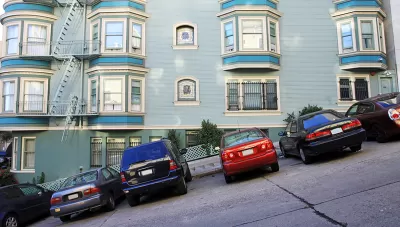
"The Board of Supervisors yesterday unanimously passed an ordinance removing some of SF’s 1950s-era parking mandates," reports Aaron Bialick.
"The 'Parking Flexibility Ordinance'…will make it easier for building owners and developers to avoid building car parking when it would impinge on the street environment for walking, bicycling, and transit. It would also count parking spaces against density limits, unless they’re built underground," adds Bialick.
Earlier coverage by Bialick provided more detail on the legislation, which, according to the article, "would waive parking mandates in certain situations, including when parking spaces require drivers to cross a curbside bike lane, transit-only lane, or a sidewalk that’s at least 25 feet wide. The additional flexibility will allow existing parking spots to be converted to other uses and let developers forego building new ones."
This isn't the first time San Francisco has managed to ease parking minimums. A 2011 ordinance eased restrictions in the South of Market (SoMa) neighborhood. Both the current ordinance and the 2011 ordinance were drafted with the help of the Livable City advocacy group. In a sign of how progressive San Francisco is sometime capable of being, the ordinance was "passed unanimously, without discussion, by both the full Board of Supervisors and the committee."
Read the full story: Supervisors Pass Breed’s Bill to Loosen Some Parking Mandates
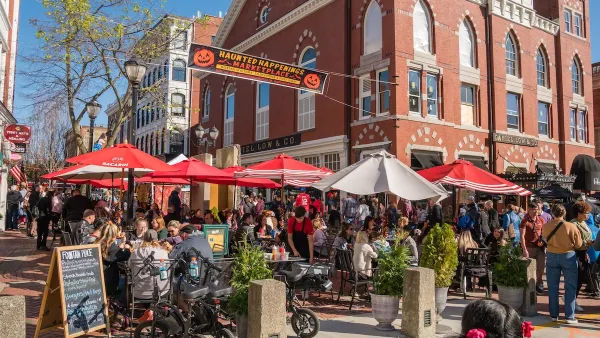
Salem, Massachusetts Eliminates Parking Minimums
An analysis found that the city’s real parking demand is around 0.85 spots per housing unit, far less than the 1.5 spaces required under the old zoning code.
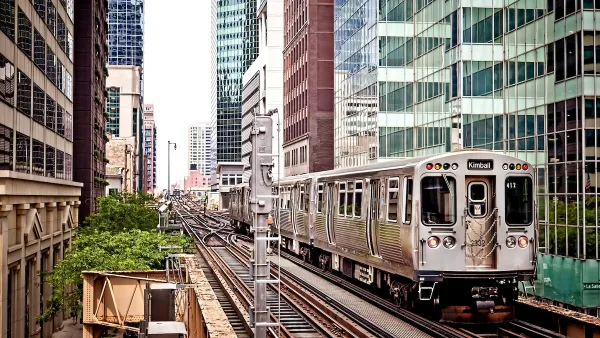
Chicago Eliminates Parking Minimums Near Transit
Changes to a city ordinance make it easier to build ‘by-right’ car-free developments near train stations and pave the way for more affordable housing.

Boulder Eliminates Parking Minimums Citywide
Officials estimate the cost of building a single underground parking space at up to $100,000.

Planetizen Federal Action Tracker
A weekly monitor of how Trump’s orders and actions are impacting planners and planning in America.

California plans to bury El Niño’s downpour
If the state plays its cards right, it may be able to store a billion acre-feet of El Niño’s water in aquifers.

Desperate measures: Advocates weigh draining Lake Powell to fill Colorado River
Draining the reservoir could reduce evaporation losses by a couple hundred thousand acre-feet.

In Texas, data centers are swallowing promised parkland
Residents who moved to Taylor, Texas for a rural community now have to contend with three data centers in their backyard.

How a Chicago-sized wind farm beat the odds and powered on
The project spanned five presidential administrations and a standoff with a U.S. military base.

MTA gives itself 30 days to transform pit into basketball court
The site has been under construction since 2022; the city originally estimated it would finish the court in 2024.

FREE Course: Walkable City 1: Why Walkability?
After describing his path towards focusing on walkability as the essence of good planning, Jeff Speck marches through his five principal reasons for making more walkable places.
Reinventing Malls: Planning Alchemy—Turning Gray Fields Into Gold
The course focuses on the opportunities and imperatives that shape reinvention of mall sites.

City of Rosemead
Rutgers University, Edward J. Bloustein School of Planning and Public Policy
One Hundred Miles
Hunter College, City University of New York (CUNY)
The Architects Foundation
University of Cincinnati Online
City of Cambridge
Montrose County
The Pocatello Development Authority