So long 2007. Hello 2014. According to new DOT data, peak driving is no longer in the rear view mirror but ahead of us thanks to cheap gas getting even cheaper, the rebound effect, an improved economy, and warmer weather.


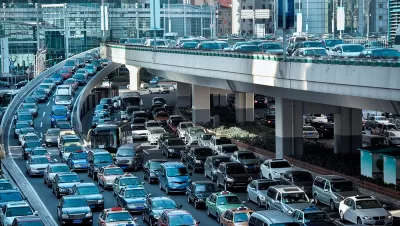
Drivers are on pace to top 3 trillion miles for the first time since 2007 — when drivers logged 3.031 trillion miles, the most in history — and just one of two years in which driving topped 3 trillion miles. As drivers buy more fuel-efficient vehicles, they also opt to drive more as the price per mile declines. [Rebound effect]
Shepardson reminds readers of the plummeting gas prices, suggesting that they may be at the root of Americans returning to the highways.
In more than half of U.S. states, gas prices have fallen below $2 a gallon and are down 40 percent since June to the lowest level in more than five years. [Average price of $2.066 as of Jan. 19 according to EIA]
Hat tip to Mike Keenly.
Read the full story: Americans on pace for highest driving level in 7 years

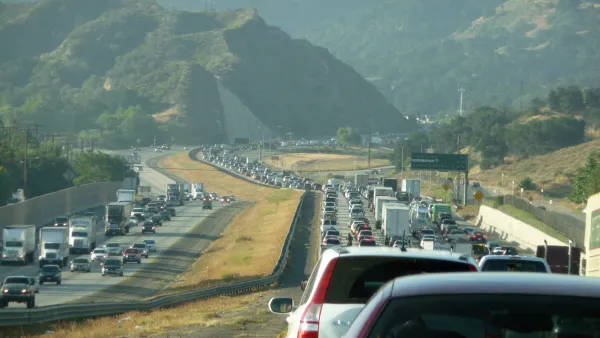
April FHWA Report Shows Americans Continue to Drive More
There is good news in the most recent Federal Highway Administration Travel Trends report—if you look hard enough.

2016 Sets New U.S. Driving Record as Gas Prices Remain Low
So much for the 2015 record of 3.148 trillion miles. Last year saw a cumulative travel increase of 2.8 percent to 3.218 trillion miles, setting a new record as cheap gas contributed to increased driving.
Latest FHWA Data Shows Vehicle Miles Traveled Continue to Increase
Those who thought peak VMT was in the rear view mirror will be disappointed in new data from the Federal Highway Administration.

Planetizen Federal Action Tracker
A weekly monitor of how Trump’s orders and actions are impacting planners and planning in America.

HUD modernizes 50-year-old manufactured housing framework
The Next Generation Manufactured Housing Action Plan establishes new energy-efficiency standards for manufactured homes, and new guidelines for anchoring them.

Data reveals that NYC’s bet on congestion pricing has paid off
After almost two years of the program, reports show positive impacts on traffic and air quality and no disruptions to parking.

How Chicago, New York and Seattle are funding transit projects amid tough times
Notes from the American Public Transportation Association's TransForm conference in Chicago.

Transport for London tackles hate crime spike with free bystander training
Recorded hate crime offences on the London's transport network have increased by 36 per cent.

Denver is solving homelessness. Why aren't the rest of us?
Since 2023, Denver's street homeless population has decreased by 64%, proving that effective tools exist to support those in need of housing.

FREE Course: Walkable City 1: Why Walkability?
After describing his path towards focusing on walkability as the essence of good planning, Jeff Speck marches through his five principal reasons for making more walkable places.
Reinventing Malls: Planning Alchemy—Turning Gray Fields Into Gold
The course focuses on the opportunities and imperatives that shape reinvention of mall sites.

One Hundred Miles
County of Mendocino
planning NEXT
The Architects Foundation
University of Cincinnati Online
Montrose County
Northern Illinois Transit Authority (NITA)
The Pocatello Development Authority