The Netherlands is proceeding with one of the most ambitious programs to increase electric car usage in the world. In a country with seemingly ideal conditions for adoption, and heavy subsidy, sales of such vehicles have been disappointingly low.


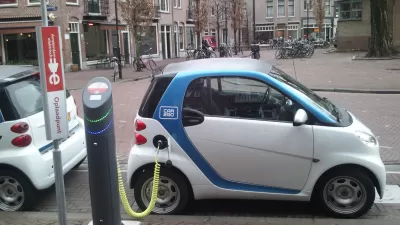
"Although a number of European countries and a few American states are aggressively promoting the use of electric vehicles to reduce planet-warming emissions and pollution, the Netherlands provides perhaps the ultimate feasibility test," reports Elisabeth Rosenthal. "If electric vehicles catch on anywhere, it should be here: a small country — about 100 miles east to west — with gas prices of about $8.50 a gallon and a long tradition of environmental activism."
"To encourage electric driving, the country is developing a rapidly expanding national grid of charging stations in cities and along highways; and Amsterdam offers owners of electric vehicles free street parking and charging. With hefty tax breaks, promotional leases and cheaper operating costs, the vehicles offer driving costs no more than those of conventional cars, some analysts say."
"And yet, experiments with the cars in the Netherlands and Denmark also underscore the challenges facing this new technology. Sales have been lower than politicians and automakers hoped, representing under 1 percent of new vehicles, even here. 'It seems that the industry has not convinced consumers that they can do this,' [Peder Jensen, a transportation expert at the European Environment Agency said]. 'If they fail over the next few years, I think investors will pull out, and that will be a problem.'”
Read the full story: Plugging In, Dutch Put Electric Cars to the Test


Swapping your gas car for an EV is greener than keeping it, research shows
An EV repays the 'carbon debt' caused by building it after 4,400 miles.
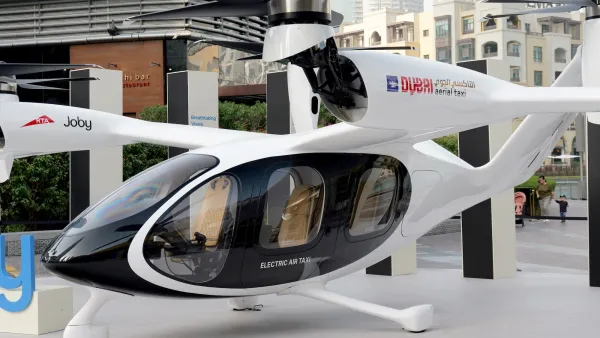
Florida wants to shift its entire EV charger budget to air taxi 'vertiports'
FDOT argues the private sector is already building out the state's fast-charging infrastructure, so the state could redirect those funds elsewhere.
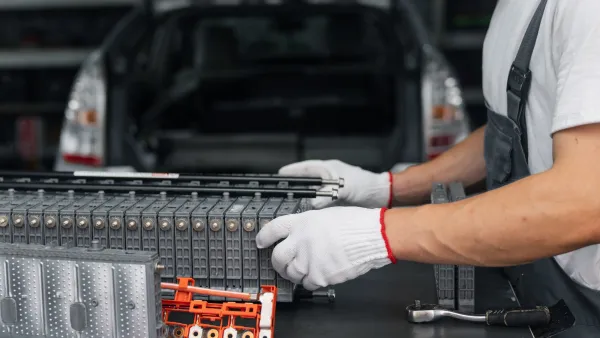
EV battery waste threatens to overwhelm China's recycling system
The county processed over 400,000 metric tons of EV battery waste last year.

Amtrak, CN end decades-long dispute with eight-year agreement
The new operating agreement establishes an updated framework for the companies to work together, including processes to resolve disputes.

Judges permit Denver to divert 77,000 acre feet from the Colorado River for reservoir expansion
Overuse and climate change have caused the Colorado River’s water levels to plummet.
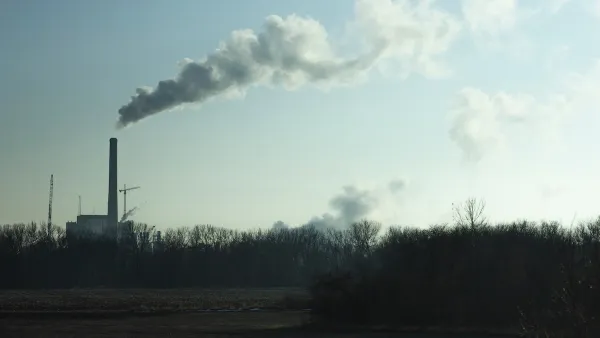
Nation's most wind-powered state turns to coal as data centers increase energy demand
For the first time in decades, Iowa has increased its generation of coal power.

Boston has spent millions making the Green Line more accessible — and there’s no end in sight
While the city has invested millions into expanding and adding platforms to the Green Line to make it more accessible, new train cars set to arrive next year will be too tall for disabled passengers to board without raising the current platforms.

Idaho may see an 18% drop in federal surface transit funding — the largest estimated cut in the US
Transit systems in rural communities are much more reliant on federal funding to provide their services.

How ‘post-disaster gentrification’ alters neighborhoods after natural calamities
After hurricanes, fires or other calamities, the original residents of a community are often replaced by younger, wealthier residents.

FREE Course: Walkable City 1: Why Walkability?
After describing his path towards focusing on walkability as the essence of good planning, Jeff Speck marches through his five principal reasons for making more walkable places.
Reinventing Malls: Planning Alchemy—Turning Gray Fields Into Gold
The course focuses on the opportunities and imperatives that shape reinvention of mall sites.

City of Wisconsin Rapids
Harvard University Graduate School of Design
KFH Group Inc.
The Architects Foundation
University of Cincinnati Online
The Pocatello Development Authority
The Urban Renewal Agency of the City of Pocatello