Businessmen and entrepreneurs want to build up new tech hubs in the middle of the U.S., but Midwestern humility and a lack of monetary drive hold them back.


Entrepreneurs, such as John Wirtz of Hudl, believe that start-up companies can thrive in the Midwest. But, as Eric Markowitz reports, companies need to keep the talent from running off to the coasts and businessmen need to shake their sense of farmer's humility.
Dusty Reynolds, director of entrepreneurship and innovation for the Greater Omaha Chamber of Commerce, acknowledged that farmers used to never talk about their farming practices or successes, and believes that restrained mentality has continued in Midwestern start-ups.
Investor Tom Chapman's opinion aligns with Reynolds's: "I think we're bad at PR. That creates two problems. One, the entrepreneurs are not going to go out and toot their own horn. The second problem is that we don't have enough guys who want to have a billion-dollar company."
But be sure not to underestimate the Silicon Prairie's companies. Wirtz warns, "We are destroying our competitors...you better pay attention or else you're going to get beat."
FULL STORY: The Trouble with Starting Up in the Heartland

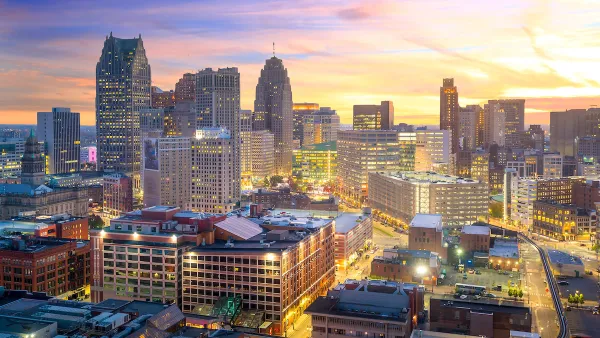
Detroit and Michigan on the Upswing
It's been 66 years since the Motor City last grew its population. Census data released last month revealed an increase of nearly 2,000 people last year, nearly half the state's population growth.

The 15 Fastest-Growing Cities in the US
The U.S. Census Bureau released new 2023 population estimates on May 16 showing a slew of data for cities of all sizes and regions. Do you know the population change last year for the 15 largest cities in your state?
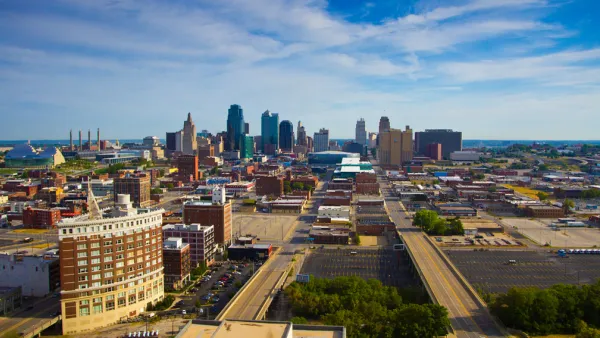
Kansas City: 'Silicon Prairie?'
The city's growth and the arrival of tech giants like Meta could signal a tech-based renaissance.

Planetizen Federal Action Tracker
A weekly monitor of how Trump’s orders and actions are impacting planners and planning in America.

The state-sanctioned urbicide of Austin
People don’t kill cities. Freeways do.

US to reduce Colorado River water deliveries to Mexico
A new Colorado Treaty amendment reduces Mexico’s Colorado River water allocation by 250,000 acre feet.

Mamdani overhauls NYC's Vision Zero plan with 100 new policy goals
The overhaul aims to reduce traffic deaths and make streets safer for pedestrians, cyclists and drivers through lower speed limits, new safety infrastructure and more.

Amtrak not solely to blame for New Jersey commuter rail's unreliability, report finds
A new study from the Garden State Initiative found that NJ Transit’s budget grew 20% across a 4 year period, but reliability declined significantly over the same period.

EPA erases limits on planet-warming pollution from power plants
Under Monday’s plan, power plants would still have some limits on how much mercury, arsenic and other contaminants they can emit.

FREE Course: Walkable City 1: Why Walkability?
After describing his path towards focusing on walkability as the essence of good planning, Jeff Speck marches through his five principal reasons for making more walkable places.
Reinventing Malls: Planning Alchemy—Turning Gray Fields Into Gold
The course focuses on the opportunities and imperatives that shape reinvention of mall sites.

Eagle County Government
Harvard University Graduate School of Design
Nashville Planning Department
The Architects Foundation
University of Cincinnati Online
The Pocatello Development Authority
The Urban Renewal Agency of the City of Pocatello
Journal of the American Planning Association